.png&w=1280&q=75)
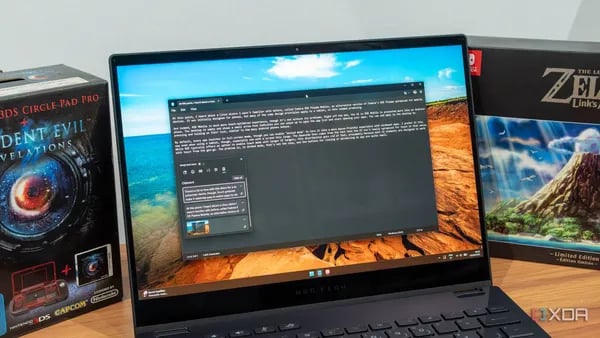
Have you ever hastily closed a popup, only to realize later it was actually telling you something important? There’s a strange love-hate relationship users have with modal windows—those attention-hogging boxes that interrupt your flow. I once lost a whole paragraph to an ill-timed modal and vowed never to forgive popups. But, let’s be real: we need them. This post is a no-nonsense deep dive into why modals annoy us, but also why they just won’t go away.
When Modal Windows Go Rogue: Annoyances We All Know
Modal windows are everywhere—confirmation dialogs, onboarding tips, cookie notices, and more. They’re supposed to help you focus on important information, but when modal window usability goes wrong, it’s a universal source of frustration. Let’s break down the most common annoyances you face when modal windows go rogue, and why even the best intentions can backfire.
Unexpected Workflow Interruptions: The Universal Frustration
Imagine you’re deep in thought, crafting the perfect email or designing a new project. Suddenly, this is a modal window pops up, blocking your view and demanding your attention. It doesn’t matter if it’s a modal window onboarding tip or a modal window confirmation dialog—if it appears at the wrong time, it breaks your flow. Research shows that overuse of modals disrupts user workflow, making it harder to stay focused and productive. Even if the message is important, the interruption can feel like a digital slap in the face.
Closing a Modal: Choose-Your-Own-Adventure (If You’re Lucky)
Closing a modal window should be simple. Best practices suggest giving you multiple options: a clear “Close” or “X” button, the ability to hit Esc on your keyboard, or clicking outside the modal. But sometimes, none of these work. You might find yourself frantically clicking everywhere, pressing keys, or even refreshing the page in desperation. When designers miss these modal window best practices, it turns a helpful popup into an escape room challenge you never signed up for.
- Button: The obvious choice, but sometimes hidden or disabled.
- Esc Key: Should always work, but often doesn’t.
- Click Outside: Sometimes closes the modal, sometimes does nothing.
When none of these options are available, you’re left feeling trapped—like a character in a choose-your-own-adventure story where all paths lead to frustration.
Cookie Consent Fatigue: The Never-Ending Modal
Ever had a modal window ask you a life-or-death question about cookies… twenty times this week? Cookie consent dialogs are a classic example of modal window overuse. You know the drill: you visit a site, and before you can even scroll, a modal blocks the content, demanding your decision. If you clear your cookies or use incognito mode, you’ll see the same modal over and over. Eventually, you stop reading and just click whatever gets you back to your task. This undermines the original intent of the modal—making sure you understand and agree to something important.
The Emotional Scar of Lost Work
Here’s a personal anecdote: I was once writing a long, thoughtful comment on a forum. Out of nowhere, a modal window appeared, asking me to confirm my email address. I clicked outside to dismiss it, but instead, the page refreshed and my work vanished. That moment left an emotional scar—one that many users share. Modal interruptions can result in unintended data loss, especially when they appear without warning or don’t save your progress. It’s a harsh reminder that modal window usability isn’t just about convenience; it’s about protecting your time and effort.
Stacked Modals: Confusion Multiplied
If one modal is annoying, imagine two or three layered on top of each other. Multiple modals create frustration and confusion, making it hard to know which one to address first. You might close one, only to find another lurking beneath. This is a clear violation of modal window best practices. According to usability experts, “Modal windows are best used for vital notifications, announcements, and essential information, such as welcome messages or critical updates.”
— UserPilotWhen every message is treated as urgent, none of them feel important.
If Modal Windows Were Movie Villains…
If modal windows were movie villains, which trope would they be? The overzealous security guard, stopping you at every turn for your “own good”? Or the misunderstood sentinel, blocking your path with good intentions but poor timing? Either way, when modal windows go rogue, they become the antagonist in your digital story—one you’d rather skip.
In summary, modal window usability is a balancing act. Overuse, poor timing, and confusing dismissal options turn helpful dialogs into workflow nightmares. Remember: the best modal windows are the ones you barely notice—because they appear only when truly needed, and disappear just as easily.
Why Modal Windows Are Here to Stay: The Bright Side
Essential Communications: When You Need to Be Heard
Let’s face it—sometimes, you need to make sure users see a message right away. That’s where modal windows shine. Whether you’re confirming a purchase, alerting someone to a critical update, or guiding a new user through onboarding, modals guarantee your message won’t get lost in the noise. Unlike banners or subtle notifications, a modal window puts your content front and center. This is especially important for actions with significant consequences, like deleting data or confirming a payment.
Think about onboarding. A well-timed modal can introduce new features, walk users through setup, or highlight important changes. With modal window onboarding, you can ensure users don’t miss key steps, making their first experience smoother and more successful.
Smart Modal Window Design: Turning Frustration into Clarity
Modal windows have a reputation for being annoying, but that’s often due to poor design. When done right, they can actually enhance the user experience. The secret? Clarity and simplicity. According to UserPilot,
Effective modal design includes clear headers, concise body text, graphics, a call to action, and a visible close button.
- Clear headers: Let users know exactly what the modal is about.
- Concise body text: Get to the point quickly—no one wants to read a novel in a popup.
- Catchy call-to-action buttons: Make it obvious what the user should do next.
- Visible close button: Always give users an easy way out.
Graphics and icons can also help communicate your message faster and more effectively. The best modal window design removes confusion and helps users make decisions with confidence.
Modal Window Accessibility: More Than Just a Checkbox
Accessibility isn’t just a buzzword—it’s a necessity. For many users, especially those who rely on keyboards or screen readers, an inaccessible modal window can be a major barrier. Modal window accessibility means making sure everyone can interact with your content, regardless of ability.
- Keyboard navigation: Users should be able to open, interact with, and close modals using only the keyboard.
- Focus management: When a modal opens, focus should move to the modal. When it closes, focus should return to the element that triggered it.
- WAI-ARIA compliance: Use ARIA roles and properties to help assistive technologies understand and interact with your modal.
Accessibility standards require these features, and they’re not optional if you want your site to be usable by everyone. In fact, inclusive design is one of the real heroes of modern modal windows. When you follow modal window best practices for accessibility, you’re not just ticking a box—you’re making your product better for everyone.
Personalization: Making Modals More Relevant
Not every user needs to see the same message. With user segmentation and personalization, you can tailor modal content to different groups. For example, new users might see onboarding tips, while returning users get updates about new features. Personalized modal content improves user experience by making sure each message is relevant and timely.
This approach boosts the utility of modals and reduces annoyance. When users feel like the modal is speaking directly to them, they’re more likely to engage and less likely to dismiss it as just another interruption.
Imagining the Perfect Modal: What’s Next?
What would the ultimate user-friendly modal look like? Imagine a modal that autosaves your progress, shows a progress bar for multi-step actions, or even offers a hologram close button for a bit of fun. The future of modal window design is all about balancing necessity with delight. Features like autosave can prevent data loss, while progress indicators help users understand where they are in a process. The possibilities are endless, and as technology evolves, so will the ways we use modals to communicate.
In the end, modal windows are here to stay because they solve real problems. With smart design, accessibility, and personalization, they transform from annoying popups into powerful tools for communication and guidance.
Modal Windows in Action: Best Practices and Cautionary Tales
Modal windows are everywhere—from sign-up prompts to cookie consent forms and onboarding tutorials. They’re essential for grabbing attention, but if you’ve ever felt a flash of irritation when a modal pops up, you’re not alone. The secret to making modal windows feel helpful, not annoying, lies in how you design and deploy them. Let’s explore the best practices, design trends, and cautionary tales that shape the modern modal experience.
First, let’s talk about focus. The best modal window design trends use subtle animations and overlays to guide your eyes without overwhelming you. Instead of a harsh, instant appearance, a gentle fade-in or slide effect can make a modal feel like a natural part of the page. Translucent backgrounds or dark overlays help direct your attention to the modal’s content, reducing distractions from the rest of the interface. These small touches—now standard in leading modal window plugins—improve perceived smoothness and reduce user annoyance.
But animation and overlays are just the beginning. Simplicity is the golden rule of modal window best practices. When you open a modal, you want clarity, not clutter. That means minimal buttons, clear and direct language, and a design that’s easy to scan. The fewer choices you present, the less likely users are to feel overwhelmed or frustrated. Uncluttered modals respect your time and attention, making it more likely you’ll engage with the content instead of searching for the “close” button.
Timing is everything. Consider the story of a SaaS tool that doubled its signup rates by introducing a perfectly-timed onboarding modal. Instead of bombarding new users the moment they landed on the site, the modal appeared after users explored a few features—right when they were most likely to appreciate a guided tour. This approach, backed by modal window user analytics, proved that context and timing can turn a modal from an interruption into a helpful nudge. As UserPilot puts it,
User analytics can help measure the effectiveness of modal windows and optimize their use for different audiences.By tracking when users interact with modals, where they drop off, and which messages convert best, you can fine-tune your modal strategy for maximum impact.
Of course, not every modal is a success story. Think back to the last time you were asked for feedback before you even used an app. That’s a classic example of a modal gone wrong—an interruption that feels tone-deaf and premature. The lesson here is simple: don’t be that developer. Respect your users’ journey. Use modal window user analytics to understand when and why to show a modal, and always prioritize relevance over frequency.
Looking ahead, modal window plugins and tools for 2025 are making it easier than ever to create adaptable, user-friendly modals. Modern plugins offer deep customization, responsive design, and seamless integration with web apps. You can tailor modals to match your brand, adjust layouts for any device, and even A/B test different designs. Most importantly, analytics are now built-in, letting you measure effectiveness and iterate quickly. Whether you’re using open-source libraries or premium solutions, the trend is clear: smarter, more personalized modals are the future.
In conclusion, modal windows walk a fine line between being essential and annoying. The difference comes down to thoughtful design, smart timing, and continuous optimization. By embracing best practices—like subtle animations, focused overlays, and minimal design—you can create modals that enhance rather than disrupt the user experience. Case studies and analytics show that well-executed modals drive engagement and conversions, while poorly timed or cluttered ones push users away. With the latest modal window plugins and user analytics at your disposal, you have all the tools you need to make modals work for you and your audience. The next time you design a modal, remember: keep it simple, make it relevant, and always put the user first.