.png&w=1280&q=75)
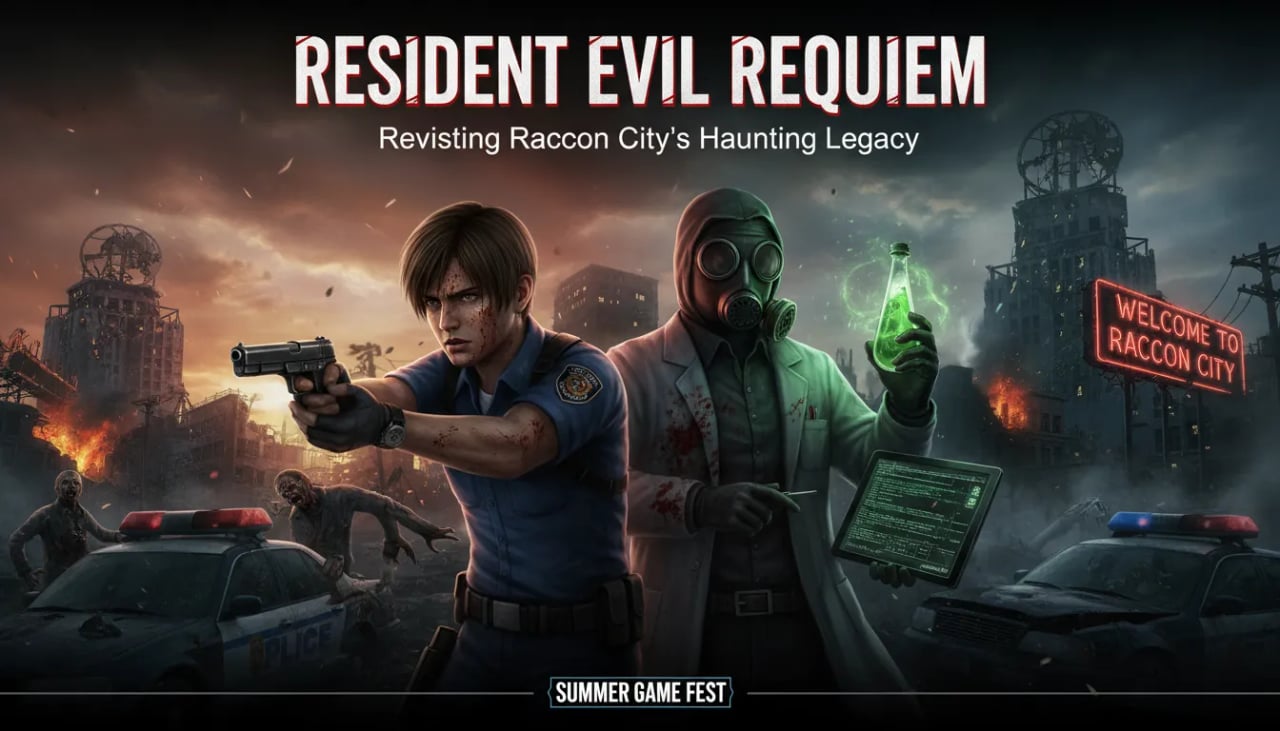
Everyone remembers Raccoon City, the infamous ground zero for viral outbreak chaos. Imagine six survivors, drifting through shadows, connected by a mysterious fate. Resident Evil Requiem plunges players into this unsettling legacy, promising more than just jump scares. From the ominous Roads Hill Chronic Care Center to a tangled plot involving the fall of the Umbrella Corporation, this game stirs a personal connection to the past — and maybe even yours.
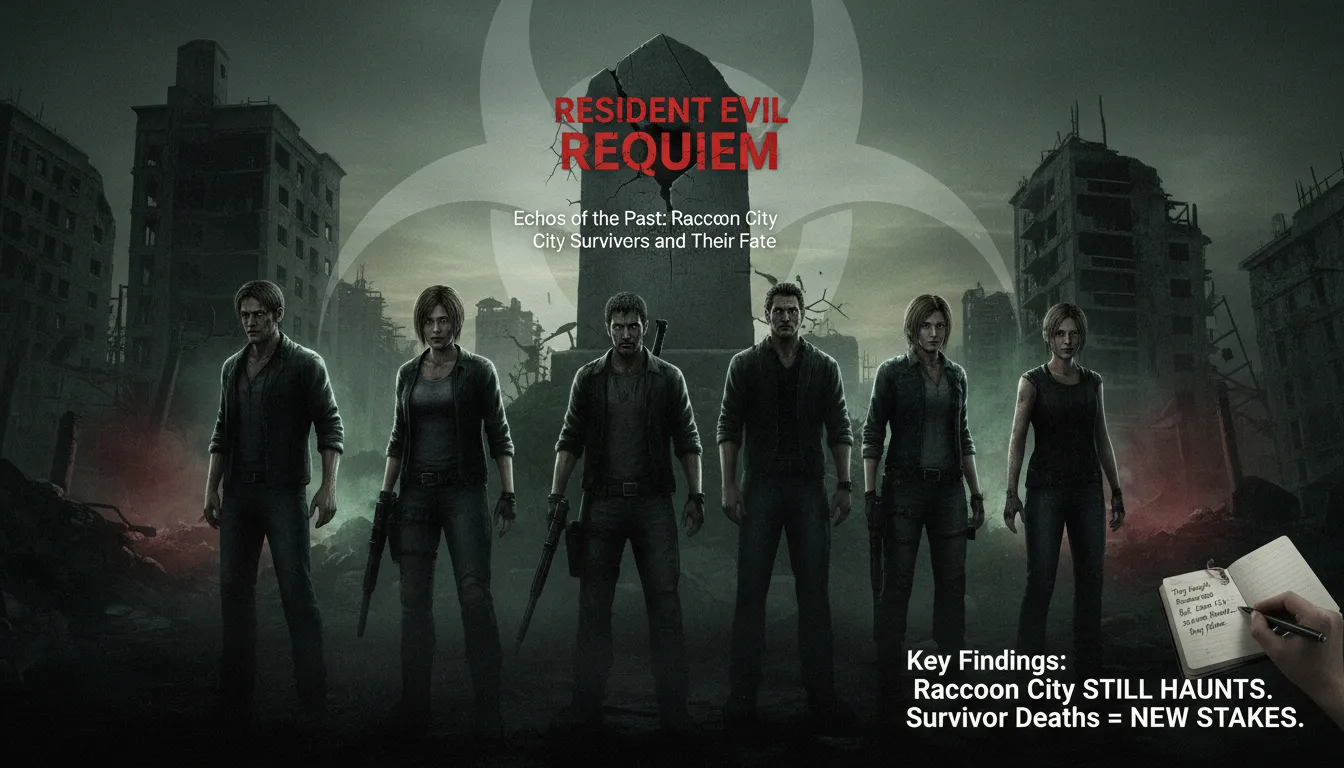
Echoes of the Past: Raccoon City Survivors and Their Fate
The shadow of Raccoon City lingers long after its destruction, casting a chilling pall over the events of Resident Evil Requiem. The survival horror game’s new narrative is haunted by a grim revelation: six survivors of the original Raccoon City outbreak have all met the same mysterious end. As the story unfolds, this unsettling pattern becomes a central thread, raising the stakes and deepening the intrigue for both players and investigators within the game.
‘That's six now. Six survivors of Raccoon City. All dead from the same thing.’
The deaths of these Raccoon City survivors are not mere coincidences. Each one escaped the horrors of the viral outbreak, only to fall victim to an unknown threat years later. The cause of death is identical in every case, hinting at a sinister force still at work. This pattern has not gone unnoticed — it’s now the focus of ongoing investigations, with characters in Resident Evil Requiem desperate to uncover the truth before more lives are lost.
- Six survivors — all linked to the original outbreak.
- Same cause of death — a chilling connection that cannot be ignored.
- Ongoing investigation — the deaths are fueling new fears and questions.
This narrative twist adds emotional weight to the survival horror theme. The knowledge that no one is truly safe, even years after escaping Raccoon City, heightens the tension. For fans, it’s a powerful reminder of the series’ core message: the past is never really gone, and its echoes can be deadly.
On a personal note, facing unexpected threats is something many can relate to. Imagine believing you’ve left your worst fears behind, only to have them resurface when you least expect it. That’s the terror these survivors faced — and it’s the same pulse-pounding fear that Resident Evil Requiem brings to life. Their fate is a stark warning: in the world of survival horror, the past is always waiting to strike again.
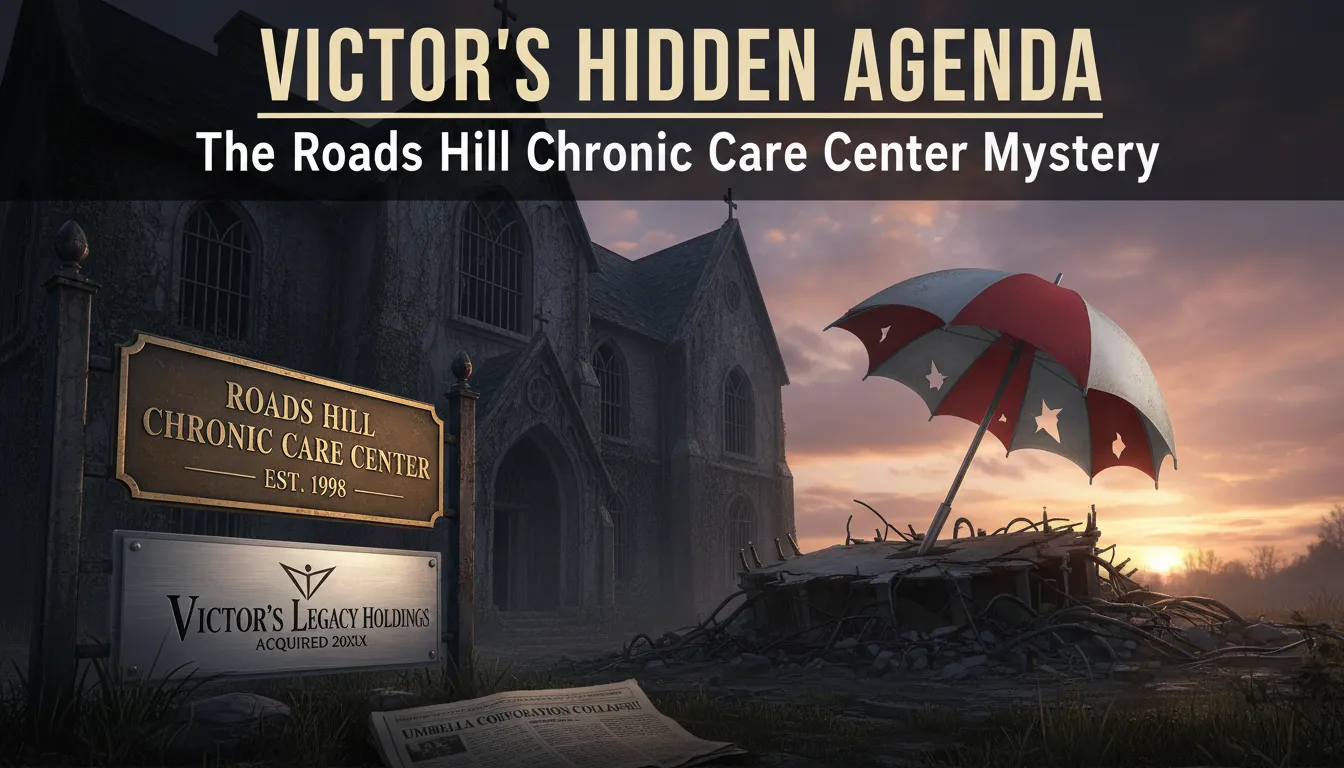
Victor's Hidden Agenda: The Roads Hill Chronic Care Center Mystery
The fall of the Umbrella Corporation left Raccoon City littered with abandoned facilities, each echoing with the secrets of unethical experiments and lost lives. Among these forgotten places, one stands out in the new narrative: the Roads Hill Chronic Care Center. The building’s fate shifted dramatically after Umbrella’s collapse, when a mysterious figure named Victor stepped in. As the story goes, “Victor purchased a building after Umbrella went under. The Roads Hill Chronic Care Center.” This Victor acquisition is more than a simple real estate deal—it’s a signal that new dangers are brewing in the city’s shadowy corners.
The Significance of Victor’s Acquisition
Victor’s motives for acquiring the Roads Hill Chronic Care Center are shrouded in secrecy, raising questions about his true intentions. The timing—right after the Umbrella collapse—suggests he may be seeking something hidden within the facility’s walls. Is he looking to continue Umbrella’s twisted legacy, or does he have an agenda all his own? The Roads Hill Chronic Care Center’s location, once a place of healing, now stands as a symbol of uncertainty and dread, tying directly into the ongoing plot and deepening the game’s sense of mystery.
Atmosphere: Eerie Echoes of Umbrella’s Past
Abandoned or repurposed Umbrella facilities are a hallmark of the Resident Evil series, feeding into its tense, survival horror atmosphere. The Roads Hill Chronic Care Center is no exception. Its empty corridors, flickering lights, and decaying patient rooms create the perfect backdrop for psychological horror. Players can almost hear the whispers of past experiments and feel the weight of secrets pressing in from every shadowed corner.
Speculation: Psychological Horror at Roads Hill
Imagine exploring Roads Hill as part of the gameplay. The chronic care center could manifest psychological horror in chilling ways:
- Hallways that seem to shift and change, disorienting the player
- Echoes of patients’ cries or distorted memories bleeding into reality
- Clues left behind by Victor, hinting at his hidden agenda and the true purpose of the acquisition
With Victor’s acquisition of the Roads Hill Chronic Care Center, the stage is set for a new chapter of fear and intrigue. The building’s haunted legacy, combined with Victor’s mysterious motives, promises to keep players guessing—and looking over their shoulders—at every turn.
 Leon S. Kennedy and the T Virus Researcher Connection" />
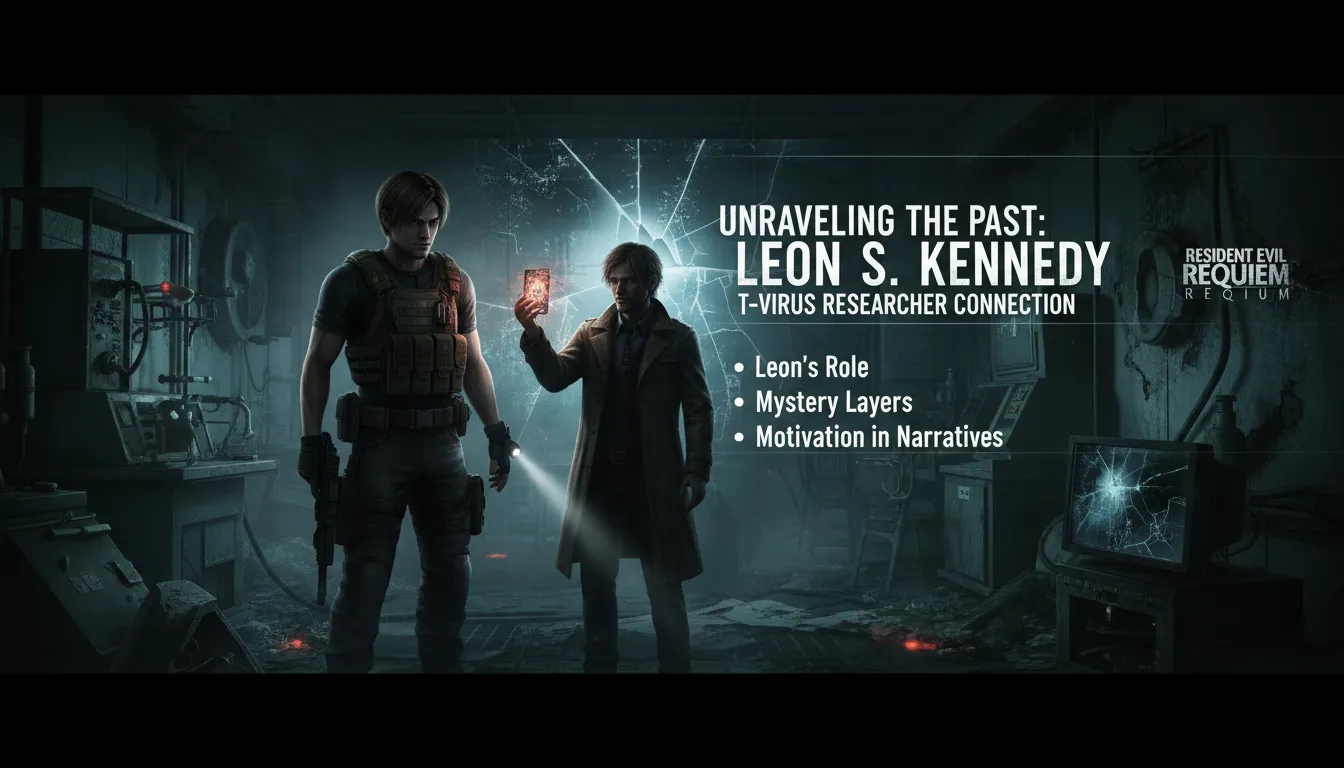
Unraveling the Past: Leon S. Kennedy and the T Virus Researcher Connection
In Resident Evil Requiem, the haunting legacy of Raccoon City is brought to life through the eyes of Leon S. Kennedy. As a central figure in the franchise, Leon’s journey has always been deeply personal, but this chapter takes his connection to the T virus to a new level. The narrative intensifies as Leon is forced to confront not just the horrors unleashed by the virus, but also his own origins and the shadowy figures behind the outbreak.
Early in the story, urgency is clear:
“Leon, we’re running out of time.”This sets the stage for a race against the clock, but it’s the next revelation that truly deepens the mystery. The team identifies a crucial lead:
“The team has settled on a person of interest, a former T-virus researcher.”This moment marks a turning point, as Leon realizes that the answers he seeks are tied to someone with intimate knowledge of the virus’s creation.
The introduction of a former T virus researcher as a key figure adds layers of intrigue and complexity. This character is not just another antagonist or victim; they are someone who holds secrets about the virus’s origins—and, as hinted, about Leon himself. The chilling line,
“Because my master made you who you are.”suggests that Leon’s very identity may be linked to the ambitions and experiments of this mysterious researcher. This revelation blurs the line between hero and subject, making Leon’s quest for truth even more personal and emotionally charged.
By weaving Leon S. Kennedy’s personal history with the broader narrative of the T virus, Resident Evil Requiem achieves a deeper emotional impact. The protagonist’s connection to the virus is no longer just professional—it’s existential. This approach not only raises the stakes for Leon but also enriches the overall storytelling, making every discovery and confrontation resonate on a more profound level.
In gaming narratives, personal history often drives motivation and shapes the player’s experience. Here, Leon’s ties to the T virus researcher create a sense of destiny and inevitability, pulling him—and the player—deeper into the haunting legacy of Raccoon City.
From Trailer to Release: Resident Evil Requiem’s Build-Up and Gaming Buzz
Resident Evil Requiem made a dramatic entrance at Summer Game Fest 2025, instantly capturing the attention of fans and media alike. The reveal trailer set the tone with its gripping narrative beats and emotional urgency, echoing lines like, ‘Leon, we're running out of time.’ and ‘I don’t want any more regrets. Whatever it takes. Tell me.’ These moments not only teased the high stakes awaiting players but also highlighted the game’s focus on character-driven storytelling. The trailer’s snippets—such as characters urgently searching for information on “Opus” and referencing agencies like the CIA and Pentagon—hinted at a deeper conspiracy, fueling speculation and excitement across the community.
Within days of the announcement, Resident Evil Requiem soared past one million wishlists across PS5, Xbox Series X|S, PC, and Nintendo Switch 2. This surge reflected the franchise’s enduring appeal and the strong community interest, amplified by early promotional campaigns and influencer reactions. Despite some disappointment over the lack of a pre-launch demo, anticipation remained sky-high, with fans dissecting every frame of the trailer for clues about the game’s story and mechanics.
Pre-Order Bonuses and Digital Deluxe Editions
Capcom’s marketing strategy leaned heavily into fan engagement, offering enticing pre-order bonuses and a Digital Deluxe edition. Players who pre-ordered gained access to exclusive costumes for Leon and Claire, special weapon skins, and a digital artbook. The Digital Deluxe edition bundled even more: a soundtrack, alternate character outfits, and early unlocks for in-game items. These bonuses not only rewarded loyal fans but also encouraged early commitment, driving up pre-release numbers and social media buzz.
The Power of Trailers and Community Hype
The impact of the reveal trailer cannot be overstated. Its cinematic pacing and urgent dialogue—‘He grabbed you for a reason.’—sparked countless theories and discussions online. The trailer’s narrative urgency mirrored the marketing push, creating a sense of immediacy and importance around the launch date: February 27, 2026. Even without a demo, the combination of emotional storytelling, exclusive pre-order content, and cross-platform availability ensured that Resident Evil Requiem became one of the most talked-about releases of the year.
Wild Card: Imagining Roads Hill as a Psychological Horror Epicenter
The Roads Hill Chronic Care Center emerges as more than just a backdrop in the aftermath of the Umbrella collapse—it becomes a living symbol of psychological horror. In the wake of Raccoon City’s devastation, the acquisition of this facility by Victor is shrouded in mystery, raising unsettling questions about his motives and the true nature of Roads Hill. What if, beyond its crumbling walls and sterile corridors, the center is a reflection of the survivors’ fractured minds—a place where the trauma of the past is inescapable, and the line between reality and nightmare blurs?
Survival horror thrives when the environment mirrors the emotional turmoil of its characters. Roads Hill Chronic Care Center, with its history steeped in secrets and suffering, could serve as a powerful metaphor for mental and emotional decay. Just as the Umbrella Corporation’s once-imposing facilities now lie in ruin, so too do the psyches of those who endured its horrors. The decay of these physical spaces parallels the slow unraveling of identity and sanity among the survivors, especially as they confront the chilling revelation that six have already fallen to the same mysterious fate.
The search for Opus, the cryptic warnings, and the desperate plea—“I don’t want any more regrets. Whatever it takes. Tell me.”—all point to a narrative driven by fear, legacy, and the need to confront the past. The Roads Hill Chronic Care Center could be imagined as a labyrinth of memories and guilt, where each hallway and locked door represents a repressed trauma or unresolved secret. The haunting line,
‘Because my master made you who you are.’echoes through these halls, underscoring the themes of control, identity, and transformation that define the Resident Evil legacy.
In this speculative vision, Roads Hill is not just a setting but a character in its own right—one that challenges players to face the darkness within themselves as much as the monsters lurking in the shadows. By intertwining the physical decay of Umbrella’s legacy with the fragility of the human psyche, the narrative invites players to question what is real and what is imagined, deepening immersion and emotional impact. As the story circles back to where it all began, Roads Hill stands as a chilling epicenter of psychological horror, daring survivors and players alike to confront the ghosts of Raccoon City’s haunting legacy.