.png&w=1280&q=75)
Ever notice how a simple gasp—barely a split second—can freeze you in your tracks? I remember, as a kid, my brother would leap from behind the couch, scare me with a shout, and suddenly the whole vibe in the room changed. That—right there—is the beating heart of narrative tension: it’s not just what’s said, but how the unsaid ripples underneath. Today, we’re poking around the edges of storytelling, exploring how a haunting pause, a shouted warning, or a whispered wish can become the sharp hooks that keep you reading (or writing) late into the night.
1. The Lightning Strike: Sudden Events and Narrative Immediacy
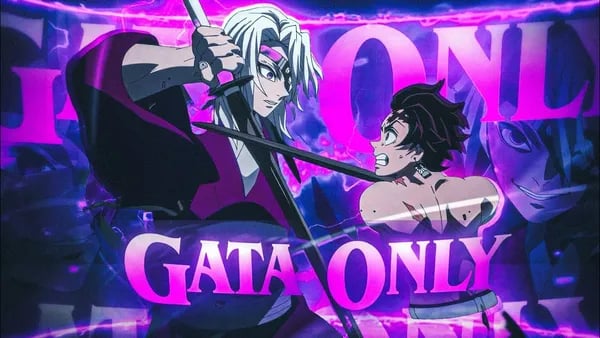
Imagine this: you’re reading a story, and everything feels steady—until, in a split second, a gasp splits the silence. An impact sound follows, sharp and unmistakable. Someone grunts. Then, a voice cuts through: “Slow, slow!” Your heart jumps. You’re not just reading anymore; you’re inside the moment. This is the power of the lightning strike—those sudden events that create tension and pull you into the story’s core.
Unpredictable Moments: Jolt Readers Into Attention
Sudden, unpredictable moments are a classic storytelling method to build tension. In the source material, the sequence is almost cinematic:
- [gasp]
- “You will do nothing against demon.”
- [impact sound]
- [grunt]
- “Slow, slow!”
- [grunt]
Each sound, each word, is a jolt. You don’t see it coming. The gasp is the intake of fear. The impact is the world shifting. The grunt is pain or effort. And then, the shout—“Slow, slow!”—is both a warning and a command, slicing through the chaos. These abrupt sounds set the emotional baseline for tension in a scene, forcing you to pay attention, to feel every beat.
Mixing Abrupt Action With Slow Anticipation
Great stories don’t just rush from one explosion to the next. They know how to create tension by mixing fast, jarring actions with slower, quieter moments. Think of someone suddenly shouting “Slow!” in the dark. The word hangs in the air, echoing. You’re left waiting, heart pounding, for what comes next. This balance between speed and stillness is how you keep the tempo alive.
In the source, the action is abrupt—a physical clash, a gasp, a grunt. But then comes the command: “Slow, slow!” It’s as if time itself is being pulled back, forcing everyone to feel the weight of the moment. This is the art of building tension: you give the reader a shock, then make them sit with it. The silence after the noise is just as important as the noise itself.
Personal Anecdote: The Door Slam
I remember once, in the middle of an argument with a friend, she suddenly slammed the door. The sound was so loud, so unexpected, that it stopped everything. The argument itself faded away. What mattered was the silence that followed—the way the air felt heavy, the way my heart raced. That’s what sudden events do in stories. They don’t just interrupt the action; they change the emotional landscape. The tension isn’t just in the fight—it’s in the aftermath, in the waiting, in the not knowing what will happen next.
Storytelling Methods: Physicality and Immediacy
Interrupting ongoing action with sudden events is a classic narrative technique. When you use abrupt physicality—like a gasp, an impact, or a grunt—you establish immediacy and stakes. The reader isn’t just watching from a distance; they’re right there, feeling every hit, every breath. This is how you build tension that feels real.
Consider how the repeated cry of “Slow, slow!” works. It’s not just a line of dialogue. It’s a demand for attention, a signal that something important is happening. The repetition makes it stick in your mind, heightening the sense of urgency. In just a few seconds—0.00 to 0.15—a mixture of gasps, grunts, impact sounds, and that sharp command paints a physical tension that’s instantly felt.
Slow, slow!
Mirroring Real Emotional Experiences
We’ve all felt it: the shock of a sudden noise, the way time seems to slow after something unexpected happens. By balancing fast, jarring actions with slower, quieter moments, stories mirror our lived emotional experiences. This is how you create tension that lingers, that keeps readers turning the page, waiting for the next lightning strike.
 Opposing Goals and Clashing Personalities" />
2. Unspoken Battles: Opposing Goals and Clashing Personalities
Every story needs friction. Without it, even the most magical world or high-stakes mission falls flat. Imagine you’re standing in a shadowy corridor, heart pounding, when a demon’s voice cuts through the silence:
You will do nothing against demon
In that single line, the stakes skyrocket. You’re no longer just a bystander; you’re facing a wall, a challenge that demands a response. This is the heart of narrative tension—opposing goals and clashing personalities, each moment raising the stakes and pulling readers deeper into the story.
Opposing Goals: The Engine of Tension
Think about the last time you wanted something desperately, but someone else stood in your way. Maybe it was as simple as the last slice of pizza, or as intense as a battle for survival. In stories, this push-pull dynamic is everywhere. One character halts, while another surges ahead. The demon’s taunt—“You will do nothing against demon”—isn’t just a threat. It’s a line in the sand, a dare that demands action.
In the source material, the confrontation is brief but electric:
- 0.02-0.04: You will do nothing against demon
- 0.05-0.05: へ? (A moment of confusion, hesitation)
- 0.06-0.07: [impact sound]
- 0.10-0.11: [grunt]
- 0.11-0.12: 遅い、遅い! (Slow, slow!)
- 0.12-0.13: [grunt]
Each beat is a micro-battle. The demon’s challenge is met with confusion, then a physical clash. The words “Slow, slow!” sting, highlighting the gap between what you want—to prove yourself—and what the demon believes you can do. This is how opposing goals raise the stakes: every action, every hesitation, becomes a test of will.
Clashing Personalities: When Sparks Fly
It’s not just what characters want, but who they are that builds tension. The demon is mocking, confident, almost bored. You, on the other hand, might be determined but inexperienced, or brave but unsure. These clashing personalities are like flint and steel—one careless word, and sparks fly.
Direct confrontation draws a sharp line between characters. The demon’s sneer, your hesitation, the sudden impact—these moments are more than just action. They’re windows into the soul of the story, showing us how different desires and attitudes collide. The more these personalities clash, the more the stakes rise. Readers lean in, hungry to see who will bend and who will break.
Mini-Tangent: The Pizza Debate
Not every conflict needs to be life or death. Remember that awkward debate about pizza toppings? Suddenly, anchovies versus pineapple feels epic. Why? Because even small, everyday disagreements can amplify tension when opposing goals and clashing personalities are at play. Maybe you crave the salty bite of anchovies, while your friend insists on sweet pineapple. The argument grows, voices rise, and suddenly, it’s not just about pizza—it’s about being heard, being right, being understood.
Raising the Stakes: Why Every Decision Matters
Friction between character intentions is key for reader investment. When you face a demon—or just a stubborn friend—every choice feels urgent. The stakes don’t have to be world-ending; they just have to matter to the characters. That’s how you build narrative tension: by making every decision, every clash, feel like it could change everything.
- Direct confrontation heightens stakes and draws focus to the gap between what characters want.
- Small disagreements—from pizza toppings to training speed—can be just as tense as epic battles.
- Opposing goals and clashing personalities are the fuel that keeps the story burning.
So next time you write—or read—a scene, listen for the whispers beneath the words. Every “You will do nothing against demon” is a call to arms, a moment where tension crackles and the story comes alive.
 Romantic Tension: The Power of Persistent Desire" />
3. Longing, Repetition, and Romantic Tension: The Power of Persistent Desire
You know the feeling: a phrase lingers in your mind, echoing long after it’s spoken. In stories, as in life, longing is rarely a single moment. Instead, it’s a persistent current, a rhythm that repeats and grows stronger with every cycle. Within the transcript, you hear it in the lines: “Ay amor, ojalá”—a wish, a hope, repeated like a heartbeat. The words “Dame tu vida”—give me your life—carry a weight that grows heavier each time they return. This is the secret power of repetition in storytelling: it transforms fleeting desire into something unforgettable, raising the emotional stakes with every echo.
Romantic tension thrives on these cycles. The transcript’s lyric moments—“tocándote” (touching you), “calentándote” (warming you), “dándote” (giving you)—don’t just describe actions. They create a pattern: approach, retreat, wish, touch. Each word is a step in the dance of longing. You see it unfold as the phrases tumble after one another, desire building with every repetition. The emotional stakes rise not just because of what is said, but because of how often it’s said, and how much is left unsaid in between.
Imagine writing a scene where two characters circle around their true feelings. One tries to say, “Dame tu vida,” but the words catch in their throat. Instead, they repeat smaller gestures—reaching out, pulling back, wishing for more. The tension grows not from grand declarations, but from the repetition of small, loaded phrases. “Ay amor, ojalá”—oh love, if only—becomes a refrain, a wish that never quite finds its answer. This is the heart of romantic tension: the push and pull, the cycles of hope and hesitation, the emotional stakes that rise with every repeated word.
Repetition in dialogue doesn’t just mimic real cycles of longing; it makes those cycles feel real to the reader. When you hear “tocándote, dándote, tocándote, calentándote” in quick succession, you feel the urgency, the persistence of desire. Each word is a beat, a pulse that keeps the tension alive. The characters may never say exactly what they want, but their repeated actions and words make their longing impossible to ignore. The emotional stakes become clear: what’s at risk is not just love, but the vulnerability of wanting and not knowing if that want will be returned.
Romantic tension is often most powerful in what’s left unsaid. Picture two people, close but not touching, their words circling around the truth. One says, “Por un mes, vente”—come for a month—but what they mean is, “Stay with me. Don’t leave.” The repetition of invitations, the echo of wishes, creates a space where desire grows. The reader feels the tension in every pause, every repeated phrase, every moment where the truth almost slips out but doesn’t. This is where emotional stakes reach their peak—when longing is clear, but fulfillment is just out of reach.
In the end, the power of persistent desire lies in its ability to shape narrative tension. Through repetition, longing becomes a force that drives the story forward, making every moment of anticipation more intense. The transcript’s lyric phrases—“Ay amor, ojalá,” “Dame tu vida,” “tocándote”—are more than just words; they are the heartbeat of romantic tension, the rhythm that keeps readers turning pages. In your own storytelling, remember the power of repetition. Let your characters circle their desires, let their words echo and build, and watch as the emotional stakes—and the tension—rise with every beat.
Longing, repetition, and romantic tension are not just techniques; they are the pulse of every unforgettable love story. When desire persists, when words repeat, and when wishes remain just out of reach, you create a narrative that lingers—like a whisper, like a heartbeat, like a promise waiting to be fulfilled.