.png&w=1280&q=75)
You plug it in and, most of the time, life gets easier — that was my first thought when I stuck a tiny TP-Link UB500 into an old laptop and suddenly had wireless headphones, a mouse, and file transfer again. You’ll recognize the convenience: tiny dongle, near-invisible in your USB port, and usually zero drama. Here’s a human take on what to expect, what to watch for, and a few oddball stories from other users worldwide.
Living with the TP-Link UB500
Everyday vibe: your Nano USB Adapter that disappears
In day-to-day use, the TP-Link UB500 feels like it’s not even there. This Nano USB Adapter is only 0.74 x 0.58 x 0.27 inch and weighs 2 grams, so it sits flush in your USB port and won’t snag in a laptop bag. Reviewers in many TP-LINK UB500 reviews call the small size the best part—especially if you leave it plugged in 24/7.
Real-world wins: fast pairing, solid range, low power
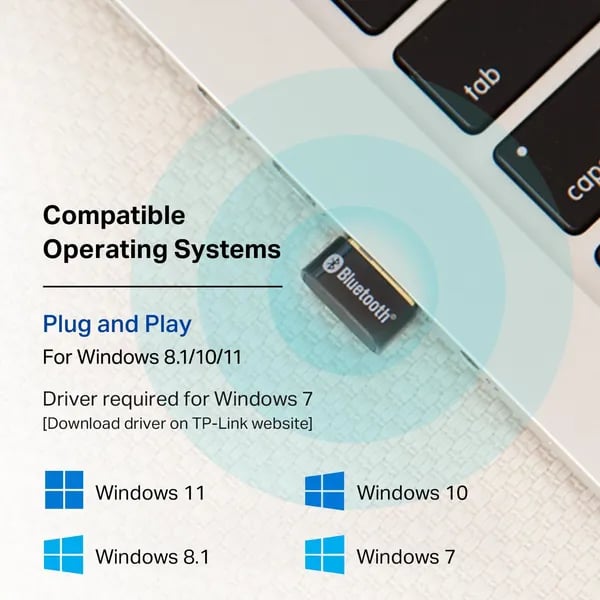
For everyday wireless tasks, setup is usually simple: plug it in on Windows 11/10/8.1 and pair your gear. Thanks to Bluetooth low energy (BLE) and EDR technology, you get efficient connections and snappy performance for basics like audio, input devices, and light file transfer. People commonly use it to revive older desktops that never had Bluetooth, or older laptops with flaky built-in radios.
- Headsets and earbuds (many report instant pairing, including Jabra models)
- Mice and keyboards (like the Logitech M505)
- Speakers for casual listening—some even streamed audio out to the mailbox without drops
- Controllers routed through your PC (handy for living-room setups)
James Carter, PC Peripheral Analyst: "The UB500 nails the basics — small, cheap, and surprisingly stable for everyday wireless tasks."
Quirks to expect in a TP Link UB500 Bluetooth Adapter Review
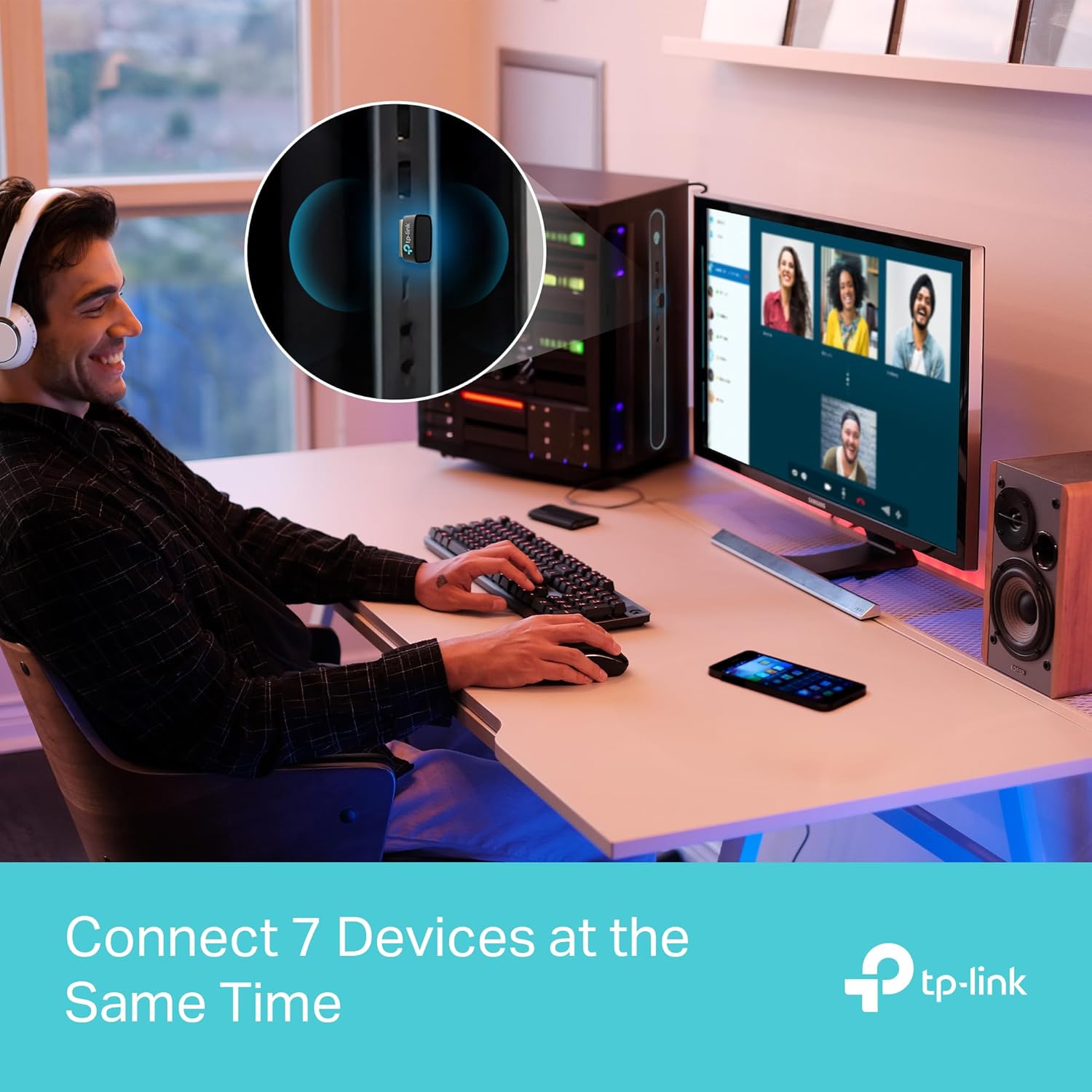
Two things can trip you up. First, juggling multiple Bluetooth devices at once can be hit-or-miss depending on your peripherals. Second, Windows 7 may need a manual driver install—keep the download link handy and be patient if your hardware is very old.
| Quick facts | Details |
|---|---|
| Price | $11.99 (Amazon) |
| ASIN / UPC | B09DMP6T22 / 840030703447 |
| First listed | August 26, 2021 |
Setting Up: Plug it in and Go
Plug-and-play simplicity on Windows 10/11
Setting Up the TP-Link UB500 is about as easy as it gets. On Windows 10 and Windows 11, automatic driver recognition is common, so you can usually plug it in, wait a few seconds, and Bluetooth is ready. That “setup is seamless” feeling shows up again and again in reviews from the U.S., Australia, Saudi Arabia, Turkey, Canada, and Mexico—especially from people reviving older desktops that never had Bluetooth built in.
Aisha Rahman, Audio Tech Reviewer: "On Windows 10 and 11, setup is usually seamless — it's the old machines and oddball headsets where drivers trip you up."
Windows drivers: what to expect on Windows 7
If you’re on Windows 7, plan for one extra step: you may need a manual Windows drivers download from TP-Link before the UB500 works. Windows 8.1 typically lands in the middle—often fine, but not always as instant as 10/11. Also note that a few specific devices have reported hiccups (for example, some users mention the Sennheiser PXC-550-II on Windows 7).
Quick pairing checklist (headsets, controllers, and more)
- Insert the UB500 into a USB port (a front port can help range and stability).
- Open Settings > Bluetooth & devices and click Add device.
- For audio gear, confirm your headset supports the right profiles: A2DP (stereo) and HFP (mic/voice).
If pairing fails: one fix that works often
If nothing shows up or connections keep dropping, old Bluetooth software may be fighting the UB500. Try this:
- Uninstall existing Bluetooth drivers in Device Manager.
- Reboot with the UB500 plugged in.
- Let Windows reinstall the correct driver, then pair again.
Features and Pricing (What You Actually Get)
Bluetooth 5.x in a nano format (and why listings don’t always match)
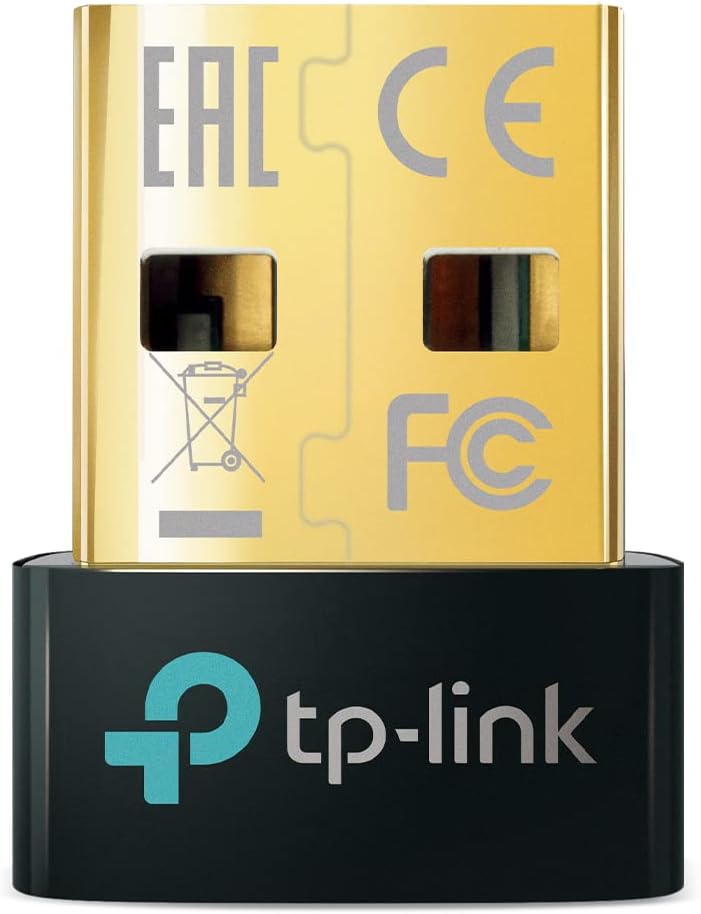
The UB500 is built around Bluetooth 5.4, but you may see it labeled as Bluetooth 5.0, 5.3, or 5.4 across different pages. In real use, you’re still getting a modern Bluetooth 5.x experience: fast pairing, better stability, and solid range for everyday devices.
Under the hood, it uses EDR technology (Enhanced Data Rate) plus BLE (Bluetooth Low Energy), so you can connect keyboards, mice, headsets, speakers, controllers, and printers without draining extra power. The best part is the nano format: it’s tiny enough to leave in your USB port without sticking out like a snag hazard.
Audio quality: good for most, not for codec chasers
If you’re buying this mainly for headphones, know the trade-off: there’s no Apt-X or Apt-X HD. That means audio quality typically tops out around ~320 kbps using SBC/AAC. For Spotify, YouTube, calls, and casual gaming, that’s usually fine—but if you’re an audiophile chasing “studio” Bluetooth sound, you’ll want a pricier adapter.
Lena Ortiz, Consumer Tech Writer: "For under a dozen dollars, you're getting a serious upgrade for legacy PCs — just don't expect studio-grade audio codecs."
Features and Pricing: what $11.99 actually buys you
At $11.99 on Amazon, the UB500 is a true budget option with strong proof behind it: 4.5 stars from 19,000+ reviews. You also get Prime shipping perks (if you’re a member), free returns, and a generous 2025 holiday window: items bought Nov 1–Dec 31, 2025 can be returned through Jan 31, 2026.
- In the box: nano dongle + minimal documentation (sometimes listed as UB500/UB500 Plus/USB BT500)
- Pricing context: alternatives run roughly $6.58–$129.99, depending on extras like WiFi 6 or wireless HDMI
Compatibility, Reliability & Real-World Tests
Compatibility: Windows-first, wide device support
The UB500 is built for Windows PCs, and that’s where it shines. You get solid Compatibility with Windows 11/10/8.1, plus Windows 7 with a downloadable driver. In real use, pairing is usually quick with common gear like Jabra headphones, the Logitech M505 mouse, speakers, keyboards, and even a PS5 controller routed through your PC. It’s also backward compatible across Bluetooth generations (often listed as 5.4 down to 1.1), though older devices can behave differently.
What it’s not: a universal adapter. There’s no native support for macOS, Linux, TVs, or consoles directly—so plan on using it on a Windows machine.
Strong connection & good range in daily use
Most user reports point to a strong connection and good range, especially for a nano dongle. Several real-world tests mention stable links around 30–40 meters with few audio dropouts, even through walls. That lines up with Bluetooth 5.x benefits (better efficiency and reach) when your paired device also supports newer standards.
Edge cases: compatibility issues, latency issues, and multi-device load
Where things can get tricky is older PCs, older Windows 7 setups, or niche headset models. Some users report compatibility issues (driver conflicts) and occasional latency issues or audio dropouts with specific headphones (for example, certain Sennheiser models). If you try to connect multiple devices at once, you may also notice:
- Keyboard jitter or repeated characters
- Intermittent signal dips when streaming audio while gaming
- More noticeable latency with busy 2.4GHz environments
Marco Silva, Wireless Hardware Reviewer: "In day-to-day use the UB500 is impressively stable — but if you're chaining multiple peripherals, budget adapters may stumble."
Pros, Cons & Alternatives (How to Decide)
Pros (why it’s a TOP 5 Best Bluetooth USB Adapter pick)
- Budget option: around $11.99, this inexpensive dongle is a clear budget winner for most Windows users.
- Plug-and-Play Simplicity: on Windows 10/11, you typically just plug it in and pair—no fuss.
- Tiny nano design: it’s practically invisible in your USB port (great for travel and laptops).
- Modern Bluetooth 5.4 + BLE: energy-efficient Bluetooth Low Energy helps keep power use low while improving range and stability versus older adapters.
- Trusted by buyers: Amazon shows 4.5 stars from 19,000+ reviews, with lots of praise for quick pairing and solid range.
Cons (the main Negative points to know)
- Windows-only: it’s not for macOS, Linux, TVs, or consoles directly.
- No Apt-X/Apt-X HD: audio is limited to common codecs (SBC/AAC), so audiophiles may want more.
- Edge-case hiccups: a few users report Windows 7 driver/device conflicts or trouble juggling multiple Bluetooth peripherals at once.
Sofia Martinez, Tech Buyer Guide Editor: "If you just need to restore Bluetooth to a PC, the UB500 is hard to beat. But audiophiles and power users should shop upward."
Alternatives (when to choose something else)
- UGREEN USB Bluetooth 5.3 Adapter: a strong competitor if you want a different chipset or feature mix.
- ASUS USB-BT500: a popular name-brand option often compared side-by-side with UB500.
- Higher-end wireless adapters (WiFi/HDMI): if you need more than basic Bluetooth—like stronger multipoint behavior or specialized streaming—expect prices from $6.58 to $129.99.
Quick decision checklist (avoid listing confusion)
If you mainly use a mouse/keyboard, controller, or casual headphones on Windows 10/11, UB500 is the easy pick. If you need pro-grade codecs or better multipoint, shop higher-tier. Also, product naming can be messy (UB500 vs “UB500 Plus” vs “USB BT500”), so confirm ASIN: B09DMP6T22 and UPC: 840030703447.
Conclusion + Wild Cards
Conclusion: plug-and-play simplicity for your Windows PC
If you want an inexpensive dongle that’s tiny, dependable, and easy, the TP-Link UB500 is a smart buy for your Windows PC. You get true plug-and-play simplicity on Windows 11/10/8.1, plus a straightforward driver option for Windows 7—so you can add Bluetooth fast without turning setup into a project. With 4.5 stars across 19,000+ reviews, the low price and strong user ratings make it a recommended budget pick, especially if you’re reviving an older desktop or laptop. You also get modern Bluetooth features that support power saving (BLE) while keeping connections stable for everyday gear like mice, keyboards, headsets, and speakers.
Skip it if you need pro audio extras like AptX/AptX HD, or if you want native macOS/Linux support—this adapter is built for Windows, and compatibility is where most “driver headache” stories start. Your best move is simple: check hardware compatibility, read a few recent reviews for your exact device, and confirm the Amazon listing details (ASIN B09DMP6T22) before you buy. If you’re shopping late in the year, eligible items bought Nov 1–Dec 31, 2025 are returnable through Jan 31, 2026, so testing is low-risk with Prime and returns.
Wild Card #1: the holiday mailbox soundtrack
Picture this: you’re printing labels and packing gifts, and you keep the playlist going while you walk out to mail packages. One reviewer even claimed they streamed audio all the way to their mailbox with no dropouts—exactly the kind of small win this adapter is made for.
Wild Card #2: a pocket translator (with limits)
"Think of the UB500 as a pocket-sized translator between your PC and Bluetooth devices — fluent in basics, not a specialist in dialects."
Ethan Park, Consumer Electronics Columnist: "The UB500 is the kind of small, practical product that quietly solves dozens of tiny annoyances — and that's underrated."