.png&w=1280&q=75)
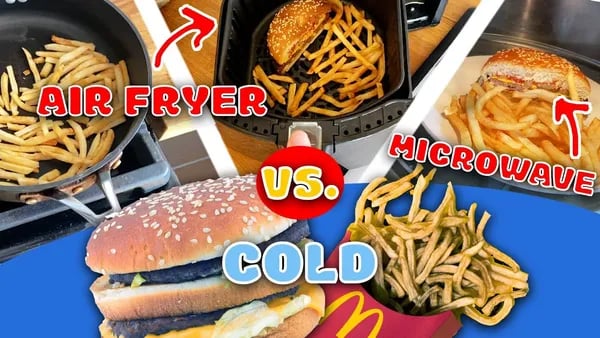
Picture this: It’s midnight, the dim glow of the fridge lights up last night’s burger and fries, and you’re gripped by hope—the hope you can revive the former glory of these humble leftovers. Been there? Years of battling mushy fries and sad patties have turned me into an accidental scientist of reheating. Let’s skip the food waste and go on a taste adventure with some seriously oddball kitchen experiments.
The Microwave Promise: Speed, Steam, and Soggy Surprises
When it comes to Microwave Reheating Burgers and fast food leftovers, the microwave is the undisputed champion of speed. It’s the first appliance I reach for when hunger strikes hard and patience runs thin. The process couldn’t be simpler: toss your burger and fries on a plate, pop them in, and hit start. I usually begin with a minute, then eyeball it from there. Sometimes I even find myself sitting on the floor, watching the seconds tick down, nose twitching as the familiar scent of fast food fills the kitchen.
There’s something almost magical about how quickly the microwave works. In less than a minute, everything is hot—sometimes, too hot. As I pulled my burger and fries out, I could feel the heat radiating off them.
"The bun is very hot, the fries are very hot, but I don't like what I'm feeling. It's been less than a minute, it smells like fast food, I can feel the heat... but the fry is so limp. I expected that."
Speed: The Microwave’s Superpower
Let’s be honest: Microwave Reheating Tips usually start and end with “it’s fast.” For a single burger, it’s about one minute. If you’re in a rush, nothing beats that. There’s no preheating, no pans, no waiting. Just instant gratification. But that speed comes with a price.
Steam and the Soggy Downside
The microwave’s secret weapon is steam. It heats food by exciting water molecules, which is great for making sure your burger patty is scalding hot and safe to eat. In fact, the patty heats evenly and thoroughly, earning a solid 7/10 in my experiment. But the steam is also the microwave’s greatest enemy when it comes to texture. The bun, once fluffy, becomes rubbery and almost indistinguishable from the burger itself. If you microwave with the wrapper on for about 35 seconds, you can preserve some moisture in the burger, but the bun’s texture still suffers.
Fries: The Microwave’s Achilles’ Heel
Let’s talk fries. Reheat Fast Food Leftovers all you want, but fries just don’t cooperate in the microwave. No matter what I tried, they always came out limp and lifeless. They were hot, sure, but the satisfying crunch was gone. As I poked at a fry, it flopped over, a sad reminder that some things just aren’t meant to be revived.
- Speed: About 1 minute per burger
- Burger Patty: Hot, evenly heated, 7/10
- Bun: Hot but rubbery, loses appeal
- Fries: Always limp, never crispy
In summary, the microwave is perfect for those moments when you need food now. It’s the king of convenience, but if you’re hoping for crispy fries or a fluffy bun, you might be in for a soggy surprise.
The Oven Gambit: Patient, Crispy, and Maybe a Bit Too Toasty
When it comes to Oven Reheating Burgers and fries, patience is both your best friend and your biggest risk. I decided to put the oven method to the test, aiming for that elusive balance between crispy fries and a juicy, melty burger. Here’s how my adventure with Oven Reheating Techniques unfolded.
Setting the Stage: 350°F and a Foil Wrap
I started by preheating the oven to 350°F—a classic temperature for Best Reheating Methods. I wrapped the burger in foil, hoping to trap some moisture and keep the bun from turning into a rock. The fries, meanwhile, got their own spot on the tray, spaced out so they’d have room to crisp up. The whole tray slid into the oven, and I set the timer for 10 minutes, keeping a close eye (and nose) on the proceedings.
The Waiting Game: Timing Is Everything
After about five minutes, I could hear a faint sizzle. I gave the fries a quick flip, making sure they weren’t sticking or getting too brown on one side. At the 10-minute mark, everything looked promising: the cheese was visibly melty, the fries had a golden edge, and the bun felt just a touch crisp to the touch.
"The fries are serious. If these were in the oven for any longer, they would have started drying out—they have a good crisp. The cheese is melty again, bun is a little crispy on the outside."
Results: Crispy Wins, But Beware the Dryness
- Fries: The oven is a hero here. The fries came out with a satisfying crunch—far better than any microwave attempt. But there’s a fine line: leave them in for even a couple minutes too long, and you’ll end up with something closer to potato-jerky than a fry. Ten minutes is the sweet spot for Reheat Fast Food At Home with fries.
- Burger: The cheese melted beautifully, oozing over the patty just like it did when fresh. The bun, though, was a mixed bag. The outside had a pleasant crisp, but the edges started to dry out. Wrapping in foil helped, but it couldn’t completely save the bun from the oven’s drying power.
Even Cooking, Decent Score
One thing I noticed: the oven cooked everything more evenly than I expected. The burger and fries both reheated well together, without any cold spots or soggy patches. Out of 10, I’d give this method a solid 7.5/10 for the burger and fries combo. It’s a reliable way to bring fast food leftovers back to life—just don’t get distracted and let those fries overstay their welcome.
| Oven Temp | Time | Combo Rating | Pro Tip |
|---|---|---|---|
| 350°F | 10 min | 7.5/10 | Wrap burger in foil, space out fries |
Pan on the Stovetop: A Semi-Annoying, Highly Rewarding Hack
Let’s be honest: the Pan Reheating Method is a little more work than just tossing your fast food leftovers in the microwave or oven. But if you’re chasing that elusive “just bought” taste and texture, this method is absolutely worth the extra effort. Here’s how my adventure with reheating fast food fries and burgers on the stovetop went—and why I keep coming back to it.
Deconstructing the Burger: Fiddly, But Worth It
First, you have to take your burger apart. Yes, it feels a bit sacrilegious, but trust me: deconstruction is key. I carefully separated the bun, patty, and all the fixings. My plan was to warm the buns in the pan first, then remove them before adding the patty. This way, the buns could soften up and get a gentle toast without drying out or burning—something that happens way too easily in the oven or microwave.
I placed the buns in a cold skillet and let them warm up over medium heat. After a minute or two, I flipped them to toast both sides. The trick is to keep a close eye—don’t forget about these buns! Once they felt warm and fluffy, I pulled them off and moved on to the patty.
Fries Get Their Own Pan (And Shine!)
While the burger was doing its thing, I grabbed a second skillet for the fries. This is where the Pan Reheating Fries magic really happens. I spread the fries out in a single layer and shook the pan every so often, letting them sizzle for about five minutes. The result? Fries that are actually better than they were from the oven—crisp on the outside, hot on the inside, and never soggy.
"Those are better than the oven. Everything still feels warm and hot. The bun is still light and fluffy—it's not dried out like it was in the oven because we separated everything."
Why Pan Reheating Wins
- Deconstructing the burger means every part gets the attention it deserves—no more cold centers or dried-out buns.
- Toasting buns and reheating fries separately ensures even warmth and crunch. The bun stays fluffy, the patty gets hot, and the fries actually improve in texture.
- Keep the heat at medium—too high, and you’ll burn the outside before the inside is warm.
- Shaking the fries in the pan gives them a crispness that beats both oven and microwave methods.
According to my experiment, this method scored the highest overall: 8.5/10, with the fries being the real stars. The buns were soft and warm, the patty was heated through, and the fries were crispy and golden. If you’re serious about reheating fast food leftovers, the stovetop pan method is a semi-annoying, highly rewarding hack you’ll want to master.
Air Fryer Showdown: Crunch Factor vs. Dryness
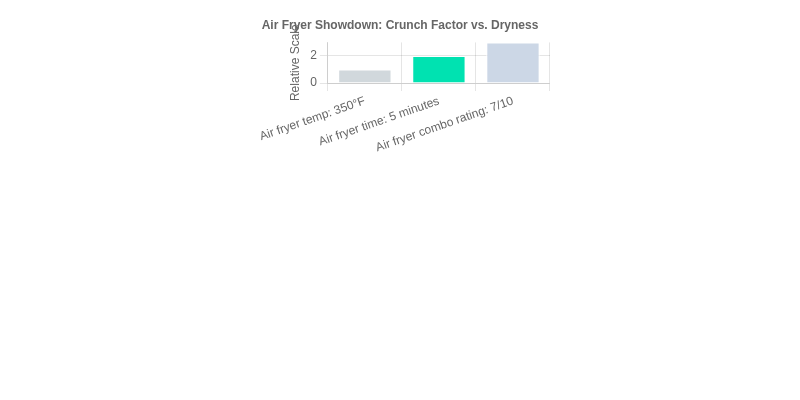
I’ll admit, when it comes to Air Fryer Reheating, my expectations were sky-high—especially for fries. The air fryer’s reputation for reviving limp, sad potatoes is legendary. So, with my fast food haul in hand, I set the air fryer to 350°F, let it preheat until nice and hot, and loaded in a small batch of fries and a burger. The plan: five minutes, with a quick peek and shake halfway through. I kept a close eye on things, knowing that the line between crispy perfection and dried-out disaster is razor-thin.
Fries: The Crunch Factor
After five minutes, the fries emerged looking golden and promising. I gave them a quick shake halfway, as any Air Fryer Reheating Fries pro would. The result? Ultra-crispy exteriors that snapped between my teeth—no sogginess in sight. If you’re a crunch fanatic, this is the best way to reheat fast food fries, hands down. No extra oil needed, just pure, hot air doing its magic.
But here’s the catch: while the outside was perfectly crisp, the inside of the fries had dried out a bit. That’s the air fryer’s double-edged sword. The crunch is unbeatable, but if you leave them in too long, you’ll end up with fries that are more cracker than potato. The key is to keep batches small and shake them around halfway through. Five minutes at 350°F is just about right, but even a minute too long can tip the balance from crispy to Sahara-dry.
Burger: Heated Through, But the Bun Suffers
Now, for the burger. I was honestly surprised at how well the patty itself reheated. It was hot all the way through, juicy enough, and tasted fresh. But the bun—oh, the poor bun. The air fryer’s dry heat turned it into a tough, almost cracker-like shell. As I bit in, I realized:
"Realistically most of the bun is pretty dried out; the burger is still heated through really nicely, which I didn't expect."Next time, I’d separate the bun and maybe give it a shorter blast or wrap it in foil to save some moisture.
Air Fryer Pros and Cons: A Quick Comparison
- Pros: Best for reheating fries—ultra crispy, no added oil, quick results.
- Cons: Fries can get dry inside; buns become tough and dry; requires attention and shaking.
For Reheating Techniques Comparison, the air fryer is the top choice for anyone who hates soggy fries and craves crunch. Just don’t walk away—timing is everything. For the classic burger-and-fries combo, I’d rate the air fryer a solid 7/10: fries are fantastic, but the bun needs a little TLC.
The Mash-Up Masterpiece: Mixing Methods for Maximum Deliciousness
When it comes to the Best Ways To Reheat Fast Food, I’ve tried it all—microwaves, ovens, air fryers, even the toaster. But nothing compares to the magic that happens when you combine methods. Think of it as a “Frankenstein” fast food hack: a little bit of this, a little bit of that, and suddenly your sad, cold leftovers taste almost as good as fresh. Here’s how I discovered the ultimate way to Reheat Burgers And Fries using just four household appliances—and in under five minutes, no less.
Step 1: Pan-Fry the Fries for Crispiness
Let’s face it: microwaved fries are limp and lifeless. But toss them in a hot pan for a couple of minutes, and they come back to life—crispy on the outside, fluffy on the inside. This is my go-to move for Best Fast Food Leftovers. I preheat a nonstick pan, add a tiny splash of oil, and spread the fries out in a single layer. Stir occasionally, and in two minutes, you’ll have fries that are golden and irresistible. Don’t overthink it—just let the pan do its thing.
Step 2: Oven-Warm the Bun for Fluffiness
Next up: the burger bun. The oven is your friend here. While the fries are crisping, I pop the bun halves into a preheated oven (about 350°F/175°C) for a gentle reheat. This keeps the bun soft and fluffy, not chewy or dried out. It’s a tiny extra step, but the payoff is huge. Trust me, your taste buds will notice.
Step 3: Microwave the Patty for Speed
Now, for the wild card: the burger patty. I know, I know—microwaves get a bad rap. But for the patty, a quick zap (about 30-40 seconds) is all it takes to bring the heat back without turning it into rubber. The trick is not to overdo it. Just enough to warm it through, and you’re golden. This is one of my favorite Leftover Fast Food Tips for saving time without sacrificing flavor.
The Mash-Up Method in Action
Here’s the best part: this whole process takes less than five minutes. Seriously. As I juggled the pan, oven, and microwave, it felt like a lot was happening, but it was all over before I knew it. As I took that first bite—crispy fries, fluffy bun, juicy patty—I actually had to take a lap around the kitchen. It was that good.
"This all took place in under five minutes with really common household items—absolutely worth the effort."
- Pan for fries: Crisps without drying
- Oven for buns: Gentle, fluffy reheat
- Microwave for patty: Fast and effective
So, next time you’re faced with leftover burgers and fries, don’t settle for bland. Mix and match your appliances for the ultimate Best Ways To Reheat Fast Food experience. It’s a little bit genius, a little bit cobbled together—and it works wonders.
Stray Thoughts & Unscientific Theories: Why Fast Food is So Hard to Resurrect
If you’ve ever embarked on a Fast Food Leftovers Experiment in your own kitchen, you know the struggle is real. There’s something almost mystical about the way a burger or a box of fries tastes in those first ten minutes after leaving the drive-thru. It’s as if fast food is engineered to peak at that exact moment—science, or just cruel fate? I’m convinced it’s a little of both. The moment you let those fries sit, they start their slow, tragic decline, turning from golden and crisp to limp and sad. Leftover fries are like time travelers—they rarely survive the journey back.
I’ve tried every Household Appliances Reheating trick in the book. The microwave promises speed but delivers sogginess. The oven offers crispness, but only if you’re willing to wait and risk drying everything out. Air fryers? They’re the wild cards—sometimes genius, sometimes just loud. And the stovetop? It’s like trying to paint a masterpiece with a roller brush: messy, unpredictable, but occasionally brilliant. Household appliances behave like temperamental artists: too much heat here, not enough there. Every method comes with a trade-off; perfection is noble, but flavor is king.
Here’s a quick tangent: Ever tried reheating pizza with an ice cube in the oven? Me neither, but people swear it works. It’s these little hacks—half science, half urban legend—that keep the Leftover Fast Food Tips community alive and kicking. Some types of food just don’t respond to science the way you want. But the pursuit is half the fun, and with a little creativity, leftovers can become a true victory snack.
I’ve realized that experimenting makes eating leftovers more fun. There’s a certain thrill in trying to resurrect a cold burger or a handful of fries, knowing full well that you might fail spectacularly. But sometimes, those imperfect hacks yield perfect bites—and that’s fine. The quest for the perfect reheated fast food is less about achieving the impossible and more about enjoying the adventure.
So, what’s the takeaway from all these late-night kitchen experiments? No single method is perfect; experimentation leads to the best results. Appliance quirks create as many problems as they solve, but they also keep things interesting. And sometimes, the best part of the Fast Food Leftovers Experiment is just sharing the journey with others. As I wrap up this round of reheating adventures, I’ll leave you with this:
"Let me know in the comments what other common fast food items you want me to test in terms of reheating techniques and then we'll try and frankenstein our own perfect method."
After all, the pursuit of the perfect leftover is a team sport—and with every experiment, we get a little closer to that elusive, crispy, just-right bite.