.png&w=1280&q=75)
Back when I was twelve and convinced I would one day live in an ice palace, Russia was my dreamland—an impossible mix of storybook towns, sprawling wilderness, and onion domes straight out of a fairytale. Fast forward to planning a real-life trip, and Russia reveals itself as so much more: modern cities humming with history, and unfathomable stretches of untouched land. If you’ve ever wondered if Russia is all snow and seriousness—think again. Let’s journey into a Russia most guidebooks barely scratch, blending big names like Moscow with less expected wild cards from my overactive travel brain (and a bit of research too).
Moscow Landmarks: More Than Red Square Selfies
When you think of Moscow landmarks, the first images that come to mind are probably the colorful domes of Saint Basil’s Cathedral and the vast expanse of Red Square. But as you walk through the heart of Russia’s capital, you quickly realize there’s much more than postcard moments. Moscow is a city where history, art, and daily life blend in ways that surprise even seasoned travelers.
Kremlin Red Square: Centuries Echo Under Your Feet
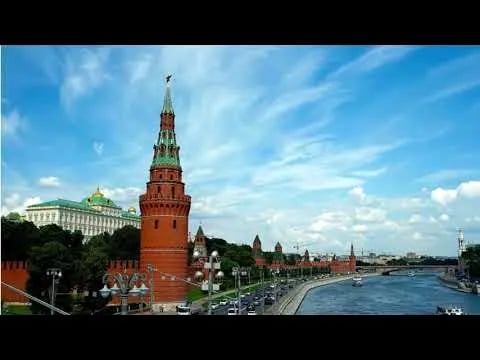
Start your journey at the Kremlin, the ancient fortress that has guarded Moscow for centuries. Its red-brick walls and towers are more than just a backdrop for tourist photos—they’re a living symbol of Russia’s past and present. As you stroll through the Kremlin’s ancient walls, don’t be surprised if you get distracted by the postcard-perfect pigeons on Red Square, or the hum of local life that pulses through the area.
Inside the Kremlin, the Kremlin Armoury Museum is a must-see. This treasure trove showcases royal artifacts, including dazzling crown jewels, imperial carriages, and legendary Fabergé eggs. The Armoury’s collection is a reminder that the Kremlin is not just a fortress, but a vault of Russian heritage.
It’s impossible to stand in Red Square and not feel the hum of centuries—each brick seems to echo with history.
Red Square itself is Moscow’s main plaza, flanked by icons like Saint Basil’s Cathedral, Lenin’s Mausoleum, and the State Historical Museum. The cathedral’s swirling colors and onion domes are instantly recognizable, but seeing them up close is a different experience. The intricate patterns and bold shapes make it clear why this is one of the world’s most photographed buildings.
Moscow Metro: A Secret Museum Beneath Your Feet
While most cities treat their subway as a way to get from A to B, the Moscow Metro is a destination in itself. Locals call it the “palace for the people,” and it’s easy to see why. Each station is a showcase of art deco design, marble columns, chandeliers, and mosaics. It’s not just transport—it’s a secret museum beneath your feet.
- Komsomolskaya: Famous for its golden ceilings and grand arches.
- Mayakovskaya: Known for futuristic mosaics and sleek lines.
- Novoslobodskaya: Features stunning stained glass panels.
Take a ride and you’ll find yourself pausing to admire the art, not just waiting for the next train. The Moscow Metro is proof that daily life and grandeur can go hand in hand.
Zaryadye Park: Moscow’s Modern Marvel
Just steps from Red Square, Zaryadye Park is a new highlight in Moscow’s cityscape. Locals and visitors alike flock here for its innovative design and panoramic views. The park’s floating bridge, which stretches over the Moscow River, is a favorite spot for photos—and for overhearing local teens compare it to a spaceship, not a tourist sight. Zaryadye blends nature, architecture, and technology, offering a fresh perspective on the city’s evolving identity.
Izmailovo Market: Chaos, Kitsch, and Culture
If you’re looking for a one-of-a-kind souvenir, skip the standard shops and head to Izmailovo Market. This sprawling bazaar is a riot of color and sound, packed with stalls selling everything from Soviet memorabilia to hand-painted matryoshka dolls. It’s chaos and kitsch—perfect for nabbing a unique memento of your trip. Don’t be afraid to haggle, and take time to explore the wooden towers and quirky corners that make this market a rising star in Moscow’s cultural scene.
Moscow’s landmarks are more than just photo ops—they’re windows into the city’s soul, where tradition and modernity meet in unexpected ways. Whether you’re marveling at royal treasures in the Kremlin Armoury Museum or riding the marble halls of the Moscow Metro, you’ll find that every corner of this city tells a story worth discovering.
Saint Petersburg: The Venice of the North (and a Little Bit of Mystery)
As you step into Saint Petersburg, you quickly understand why it’s called the Venice of the North. The city’s network of canals, grand bridges, and pastel palaces create a sense of old-world elegance that feels both European and uniquely Russian. Here, history is never far away, whether you’re crossing a misty canal at dawn or wandering through a square lined with baroque facades. Yet, Saint Petersburg is also a city of surprises—a place where you might dodge a sudden rain shower one minute and stumble upon a world-class ballet the next.
Roaming Nevsky Prospekt: The Pulse of the City
Your journey often begins on Nevsky Prospekt, the city’s main avenue and a non-stop parade of life. Here, you’ll find everything from historic cathedrals to trendy cafes, all buzzing with locals and visitors alike. As you weave through the crowds, you’ll dodge selfie sticks—and rain showers—with equal frequency. The avenue is lined with bookshops, bakeries, and grand department stores, making it easy to lose track of time. Every corner offers a new view, whether it’s a golden-domed church or a street musician playing under the watchful eyes of Peter the Great’s statue.
The Hermitage Museum: An Art Lover’s Wonderland
No visit to Saint Petersburg is complete without getting lost in the Hermitage Museum art collection. Housed in the Winter Palace, this museum is a global treasure, boasting over three million works. You could spend days here and still miss masterpieces by Da Vinci, Van Gogh, and Rembrandt. Many travelers recall the thrill of turning a quiet corner and finding a Da Vinci in a room they almost skipped. The Hermitage is not just a museum; it’s an experience—one where Russia’s artistic achievements are on full display, and every hallway tells a new story.
Peterhof Palace: The Russian Versailles
If you crave royal grandeur, the Peterhof Palace is a must-see. Nicknamed the ‘Russian Versailles,’ this palace dazzles with its golden fountains, manicured gardens, and sweeping views of the Gulf of Finland. As you stroll through the gardens, it’s easy to imagine yourself at a royal ball—perhaps even pretending you’ve lost your invitation and are sneaking in for a glimpse of the festivities. The palace’s elaborate fountains, especially the Grand Cascade, are a highlight, drawing visitors from around the world to witness their summer spectacle.
Mariinsky Theatre: The Heartbeat of Culture
Saint Petersburg’s cultural life is legendary, and the Mariinsky Theatre stands at its center. With more than 100 theaters across the city, you’re never far from a performance. Sneaking into a Mariinsky matinee feels like a rite of passage—because, after all, ‘when in St. Petersburg...’ The theatre’s storied past and world-class productions make it a magnet for lovers of ballet and opera. Even if you’re not a regular theatergoer, the energy and artistry here are contagious.
Wandering, Wondering, and a Little Bit of Mystery
Part of Saint Petersburg’s charm lies in its ability to surprise you. One moment, you’re admiring the reflection of a palace in a quiet canal; the next, you’re puzzling over modern billboards in Cyrillic. As one traveler put it:
The highlight of St. Petersburg? Wandering, getting lost, and letting the city’s past sweep you along, even as you puzzle over modern billboards in Cyrillic.
Whether you’re exploring hidden courtyards, discovering a tucked-away art gallery, or simply watching the city’s famous White Nights unfold, Saint Petersburg invites you to embrace both its grandeur and its little mysteries. Here, every street has a story, and every visit feels like the beginning of a new adventure.
Siberian Wilds: Where Roads Get Lost (and So Do Souls)
Crossing Siberia on the Trans-Siberian Railway: Sleep, Landscapes, Tea, Repeat
If you want to see the real Russia, you have to cross Siberia. And there’s no better way than the legendary Trans-Siberian Railway. This isn’t just a train ride—it’s a moving window into the heart of the world’s largest wilderness. As you settle into your bunk, the rhythm of the tracks becomes your lullaby. You sip hot tea from a glass, watch endless forests roll by, and wake up to new landscapes every morning.
The Trans-Siberian Railway connects Moscow to Vladivostok, stretching over 9,000 kilometers. It’s a journey that takes you through the wildest parts of Russia, where roads often disappear and only the rails remain. Each day, you’ll see the scenery change—from rolling hills to the vast, haunting Siberian Taiga.
The Haunting Beauty of the Siberian Taiga
The Siberian Taiga is a place of superlatives. It is the largest forest on Earth, stretching for thousands of kilometers. Here, the trees seem endless, and the silence is almost complete. You’ll pass through dense pine and larch forests, broken only by the occasional village or the glint of a distant river.
This region is shaped by mighty rivers like the Lena and Yenisei. These waterways carve deep paths through the wilderness, supporting wildlife and local communities. The geography here is dramatic and raw—rivers, forests, and lakes as far as the eye can see.
“There’s something about Siberia—untouched, unsettling, and beautifully silent. Every sunrise feels earned.”
If you’re searching for true natural beauty, the Siberian Taiga delivers an experience you won’t find anywhere else.
Lake Baikal Adventure: The Ultimate Bucket-List Experience
No trip to Siberia is complete without a stop at Lake Baikal. Known as the world’s deepest and oldest freshwater lake, Baikal is a magnet for adventure seekers. In winter, the lake freezes into a glassy expanse, perfect for ice trekking or even skating. In summer, the shores are alive with hikers, campers, and swimmers—though the water is always cold, even in July.
- Try a (very) cold dip in the crystal-clear water
- Hike the Great Baikal Trail for stunning views
- Spot unique wildlife, including the Baikal seal
Lake Baikal is also famous for its biodiversity. Scientists say it’s home to more plant and animal species than any other lake on Earth. For travelers, it’s a place where you can truly disconnect and feel the wildness of Siberia all around you.
Could You Survive a Week in the Siberian Wilds?
Imagine this: it’s just you, a backpack, and a Russian phrasebook. Could you last a week in the Siberian wilderness? The Taiga is both beautiful and unforgiving. Navigation is tough, and the weather can change in an instant. But for those who crave adventure, this is the ultimate test.
- Learn basic Russian phrases to communicate with locals
- Pack for all seasons—temperatures can swing wildly
- Respect the wildlife and the vastness of the forest
The Siberian wilds are not for the faint of heart. But if you’re ready, they offer a sense of freedom and discovery that’s impossible to replicate elsewhere.
Key Facts at a Glance
| Feature | Details |
|---|---|
| Siberian Taiga | Thousands of kilometers of dense forest |
| Lake Baikal | World’s deepest and oldest freshwater lake |
| Lena & Yenisei Rivers | Major rivers shaping Siberian geography |
| Trans-Siberian Railway | Iconic journey across wild Russia |
In the Siberian wilds, roads get lost—and sometimes, so do souls. But that’s exactly why you come.
Russian Culture: From Onion Domes to Dumplings
Where Modernity Meets Tradition
Step into the heart of Russia’s cultural heritage and you’ll quickly see how the past and present blend together. In the European part of Russia, cities like Moscow and Saint Petersburg buzz with life. Here, glass skyscrapers stand beside centuries-old cathedrals, and the rhythm of daily life is set by both the metro’s rush and the slow chime of church bells. This is a place where Russian architecture—from the iconic onion domes of St. Basil’s to the grand halls of the Kremlin—tells stories of empires, revolutions, and resilience.
Sampling Russian Food: Borscht, Blini, and Beyond
You haven’t truly experienced Russia until you’ve sat in an old Moscow café, spooning up steaming borscht or folding a warm blini around a dollop of jam. These food memories last longer than any Instagram shot. Russian cuisine is hearty and full of surprises. Try pelmeni (meat dumplings) or the creamy comfort of beef stroganoff. Each dish is a piece of living history, shaped by cold winters, family traditions, and the country’s vast geography.
- Borscht: Beetroot soup, often served with sour cream
- Pelmeni: Dumplings filled with minced meat
- Blini: Thin pancakes, sweet or savory
- Beef Stroganoff: Sautéed beef in a creamy sauce
As you eat, listen to the stories shared at neighboring tables. In Russia, food and conversation go hand in hand. As one local saying goes, “Russia’s greatest export might be its stories—passed on at kitchen tables, in bitter cold, or under the swing of golden church bells.”
Golden Ring Towns: Time Capsules of Russian Heritage
Just outside Moscow, the Golden Ring towns offer a window into Russia’s soul. These small towns—like Suzdal, Vladimir, and Sergiev Posad—are living museums. Here, you can wander cobbled streets lined with wooden houses, admire ancient monasteries, and gaze at onion-domed churches that glow gold in the afternoon sun. Each town is a cultural time capsule, preserving the art, architecture, and folk traditions that shaped the nation.
- Admire hand-carved wooden churches
- Visit centuries-old monasteries
- Experience local crafts and markets
In these towns, every building and every local has a story to tell. Even the taxi drivers and museum guides seem to speak in poetry, their words tinged with history and pride.
Kremlin Armoury Museum: Fabergé Eggs and Royal Treasures
No exploration of Russian culture is complete without a visit to Moscow’s Kremlin Armoury Museum. Here, you’ll find the legendary Fabergé eggs—jewel-encrusted masterpieces that once dazzled the Russian royal family. Are they mysterious works of art or just super fancy Easter eggs? The debate continues. But one thing is clear: these treasures show Russia’s love for craft, opulence, and storytelling.
- See Fabergé eggs up close—each one unique, each with a hidden surprise
- Discover royal carriages, crowns, and ceremonial armor
- Learn how Russian artisans blended European and local styles
The Armoury’s collection is a reminder that Russian culture is about more than just history—it’s about creativity, innovation, and a flair for the dramatic.
Everyday Russia: Stories in the Streets
Whether you’re in a bustling city or a quiet village, you’ll notice that art, architecture, and folk traditions still shape daily life. From the bold murals of Saint Petersburg to the hand-painted nesting dolls in rural markets, Russian culture is everywhere. And everywhere, people are eager to share their stories—over tea, in the metro, or under the golden domes that have watched over Russia for centuries.
Practical Traveler’s Secrets for Russia 2025 (The Wild Card Section)
When you set out with a travel guide to Russia 2025 in hand, you’re not just preparing for a journey across the world’s largest country—you’re stepping into a realm where the unexpected is part of the adventure. Russia’s vastness means that every traveler’s experience is unique, shaped as much by mindset as by logistics. In 2025, guides and seasoned explorers agree: curiosity and flexibility are your most valuable tools.
Let’s start with a simple truth: packing thermal socks is as important as bringing your Lonely Planet guide. Whether you’re exploring Russia’s urban centers like Moscow and Saint Petersburg or venturing into the wild frontiers of Siberia, the climate can surprise you. Even in the heart of summer, a sudden chill can sweep across Red Square or the banks of the Neva River. Locals will tell you, “There’s no such thing as bad weather, only bad clothing.” Take their advice seriously—your comfort depends on it.
Imagine you’re at a dinner party in Saint Petersburg. At the table: you, a Hermitage Museum curator, a Siberian train conductor, and a Moscow street artist. The conversation is lively, full of practical tips and unique facts about Russia. The curator suggests visiting the Hermitage at opening time to beat the crowds and catch a glimpse of the world’s largest art collection in peace. The train conductor shares stories of the Trans-Siberian Railway, reminding you to bring snacks and a sense of humor for the long, scenic rides. The artist recommends exploring Moscow’s hidden courtyards and vibrant street art, far from the usual tourist routes. Each voice adds a new layer to your travel guide Russia 2025, blending classic highlights with offbeat discoveries.
Urban life in Russia is more connected than ever. In Moscow and Saint Petersburg, you’ll find strong WiFi, modern amenities, and a thriving café culture. But don’t let the city lights fool you—when it comes to stamina, you can’t out-hike the local babushkas. These grandmothers, often seen power-walking through parks or bustling markets, embody the Russian spirit of resilience. They’re a reminder that exploring Russia’s urban centers is as much about soaking up daily life as it is about ticking off landmarks like the Kremlin or St. Basil’s Cathedral.
Yet, the real secret to a memorable journey lies beyond the guidebook. In 2025, travel guides for Russia encourage blending the old favorites with new, lesser-known locations. Destinations east of the Urals—like the wild landscapes of Siberia—are gaining recognition. Here, the wilderness is untamed, and the sense of adventure is palpable. You might find yourself sharing tea with locals in a remote village or spotting wildlife along the shores of Lake Baikal. These moments aren’t always planned, but they’re often the most rewarding.
Traveling in Russia in 2025 is about embracing the unexpected. As one seasoned traveler put it,
Best advice I got before landing in Moscow? ‘Russia will surprise you. Let it.’
This spirit of openness is what transforms a good trip into an unforgettable one. Russia rewards the curious and open-minded in ways no itinerary can promise. The more you step outside your comfort zone—whether by trying a new dish, learning a few Russian phrases, or accepting an invitation from a stranger—the richer your experience will be.
In conclusion, a travel guide to Russia 2025 is more than a checklist of sights; it’s an invitation to explore, adapt, and discover. Pack your thermal socks, keep your mind open, and remember: the wild card moments are what make Russia truly unforgettable. As you journey from the grand boulevards of Moscow to the wild frontiers of Siberia, let curiosity lead the way. Russia is ready to surprise you—if you let it.