.png&w=1280&q=75)
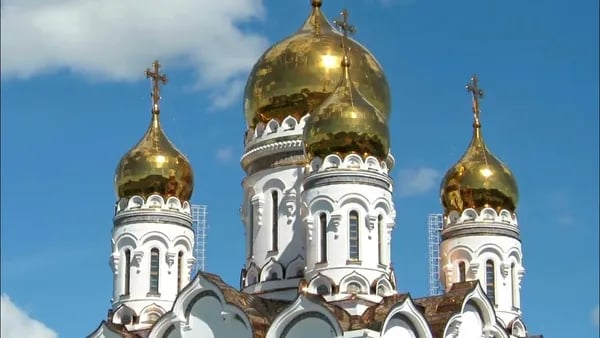
Let me take you back to my school days when, during a geography bee, I froze at the question: 'What’s the deepest lake on Earth?' The answer, of course, was Lake Baikal. But Russia is more than just extreme records and endless snow. As someone who once tried drawing Russia on a blank map (and failed spectacularly—the Caucasus always went missing), I invite you to join this imperfect but exhilarating journey through the land of frozen frontiers, golden fields, and onion-domed cathedrals.
Lake Baikal: An Ancient World Below the Ice
When you explore Russian geography facts, one name stands out for its sheer scale and mystery: Lake Baikal. Nestled in southern Siberia, this remarkable body of water is more than just a lake—it’s a living archive of Earth’s past, a sanctuary for rare life, and a source of endless fascination for scientists and travelers alike.
Lake Baikal Features: Depths Beyond Imagination
Lake Baikal holds the world record as the deepest freshwater lake on the planet. It plunges to a staggering depth of 1,642 meters (5,387 feet), making it deeper than many of the world’s tallest skyscrapers are high. But Baikal’s story goes even further back in time. With an estimated age of 25 to 30 million years, it is also considered the oldest freshwater lake on Earth. In the words of many scientists,
Lake Baikal isn’t just a lake—it’s a time capsule of Earth’s history.
Crystal Clear Waters: Nature’s Enchanted Mirror
Locals often refer to Lake Baikal’s waters as “enchanted.” This reputation comes from its crystal clear waters, which allow you to see as deep as 40 meters (131 feet) below the surface in some areas. The clarity is due to a unique combination of cold temperatures, low mineral content, and the presence of tiny organisms that filter the water. In winter, the lake freezes over, creating a thick sheet of transparent ice that reveals the world below—an otherworldly sight that draws visitors from around the globe.
Lake Baikal Biodiversity: A Unique Ecosystem
One of the most fascinating Lake Baikal features is its unique biodiversity. The lake is home to more than 1,700 species of plants and animals, and about two-thirds of these are endemic—meaning they are found nowhere else on Earth. This makes Baikal a hotspot for scientists studying evolution and adaptation.
- Baikal Seal (Nerpa): The only freshwater seal species in the world.
- Omul Fish: A delicacy unique to Baikal, prized by locals and visitors alike.
- Sponges and Crustaceans: Many species help keep the water clean and support the lake’s food web.
This incredible biodiversity is possible because of Baikal’s age, depth, and isolation. Over millions of years, life here has adapted to the lake’s cold, oxygen-rich waters and unique conditions, creating a living laboratory for biologists.
Lake Baikal’s Role in Russian Geography
Lake Baikal is not just a natural wonder; it’s a vital part of Russian geography. It holds about 20% of the world’s unfrozen freshwater supply, making it crucial for the region’s environment and communities. The lake’s shores are home to indigenous peoples and small villages that rely on fishing, tourism, and traditional crafts. In addition, Baikal’s presence shapes the climate and ecology of southern Siberia, influencing everything from local weather to the migration patterns of animals.
Legends and Mysteries Beneath the Ice
For centuries, Lake Baikal has inspired legends and stories. Locals speak of enchanted waters and mysterious creatures that dwell in the depths. The lake’s ever-changing ice formations, eerie sounds, and sudden storms add to its reputation as a place of wonder and danger. Scientists continue to discover new species and geological features, proving that Baikal’s secrets are far from fully revealed.
As you learn more about Russian geography facts, Lake Baikal stands out as a symbol of the country’s natural diversity and ancient heritage. Its unique combination of depth, age, and biodiversity makes it a true natural treasure—an ancient world thriving below the ice.
The Volga and the Southern Mosaic: Breadbaskets, Peaks, and Peoples
Volga River Basin Agriculture: Russia’s Fertile Heartland
As you journey south in Russia, the landscape transforms into a sea of green fields and golden crops. This is the Volga River basin, a region that stands at the core of Russian agriculture. The Volga River, stretching about 2,190 miles, is not only the longest river in Europe but also the lifeblood for millions who live along its banks. Here, the land is rich and fertile, making it perfect for growing wheat, barley, and sunflowers. These crops are more than just produce—they are the foundation of Russia’s food supply and economy.
Farmers in the Volga basin have relied on the river’s water for centuries. The river’s gentle flow and wide floodplains create ideal conditions for agriculture. In fact, the region is often called the “breadbasket of Russia.” When you visit local markets or travel through rural villages, you quickly see how important these crops are. As one local saying goes:
“When you travel down the Volga, you taste the soul of Russia in every sunflower seed and loaf of bread.”
It’s not just about food. The Volga River basin also supports a network of towns and cities, each with its own traditions and rhythms shaped by the river’s presence. If you’re looking for Russian geography facts, remember that the Volga is a symbol of life and abundance for the entire nation.
Caucasus Mountains Diversity: Peaks and Natural Wonders
Travel further south, and the flat plains give way to the dramatic rise of the Caucasus Mountains. This region is famous for its rugged peaks, deep valleys, and astonishing biodiversity. The Caucasus is one of the most naturally diverse areas in Russia, home to rare plants and animals you won’t find anywhere else. Snow leopards, wild goats, and ancient forests all thrive here, making it a paradise for nature lovers and scientists alike.
The mountains are also steeped in legend and myth. Stories of heroes, ancient gods, and hidden treasures echo through the valleys. For centuries, the Caucasus has been a crossroads of cultures, where people from different backgrounds have met, traded, and shared their traditions. The natural beauty of the region is matched only by its rich cultural tapestry.
Southern Russia: A Tapestry of Ethnic Groups and Traditions
The southern regions of Russia, shaped by both the Volga River and the Caucasus Mountains, are famous for their ethnic diversity. Here, you’ll find a mosaic of peoples and cultures. Dozens of Russian ethnic groups call this area home, each with their own language, customs, and traditions. From the Tatars and Bashkirs along the Volga to the many peoples of the Caucasus—like the Chechens, Ossetians, and Circassians—this region is a living example of Russia’s multicultural identity.
Traditional villages dot the countryside, where old ways of life are preserved. You might see colorful festivals, taste unique local dishes, or hear folk songs passed down through generations. Rural traditions remain strong, even as modern life slowly changes the landscape. This blend of old and new, of many cultures living side by side, is what makes southern Russia so unique.
Key Russian Geography Facts
- Volga River: Longest river in Europe, about 2,190 miles.
- Main crops: Wheat, barley, sunflowers.
- Caucasus Mountains: Home to rare species and high peaks.
- Ethnic diversity: Dozens of groups with unique traditions.
From the fertile Volga River basin agriculture to the peaks and diversity of the Caucasus Mountains, southern Russia is a region where nature and culture come together in remarkable ways.
Frozen Frontiers and Shifting Borders: Russia’s Geography Beyond the Obvious
When you think about the geography of Russia, it’s easy to picture endless snow, deep forests, and vast stretches of land. But there’s much more to this country than meets the eye. Russia is not just the world’s largest nation by area; it’s a land of dramatic contrasts, shaped by natural boundaries, shifting borders, and a population that’s anything but evenly spread out.
The Ural Mountains: Where Two Continents Meet
One of the most fascinating features of Russian geography is the Ural Mountains. This ancient range runs roughly north to south, forming a natural border between European and Asian Russia. If you ever find yourself hiking along the Urals, you might hear travelers joke:
'Standing with one foot in Europe and the other in Asia—it’s a cheap thrill on the Ural trail.'
It’s more than just a fun photo opportunity. The Urals are a real dividing line, not only in terms of continents but also in culture, climate, and population. West of the Urals, you’re in European Russia—a land of bustling cities and historical sites. Step east, and you enter Asian Russia, a region dominated by wild landscapes and remote settlements.
Eleven Time Zones: A Country That Never Sleeps
Russia’s sheer size is hard to grasp until you realize it spans 11 time zones. Imagine taking a train from Kaliningrad in the west to Vladivostok in the east—you’d cross more time zones than anywhere else on Earth. For travelers and locals alike, jetlag isn’t just a nuisance; it’s a way of life. The sun could be rising in Moscow while it’s already setting far out in the Russian Far East.
- Time zones: 11
- Federal districts: 7
- Russia population (2025): approx. 144 million
Population Patterns: Crowded West, Wild East
Despite its massive landmass, Russia’s population isn’t spread out evenly. In fact, most of the Russia population 2025—about 144 million people—live in the western part of the country. European Russia, which is just a quarter of the total land, holds nearly 75% of the population. Here, cities like Moscow and St. Petersburg buzz with life, culture, and commerce.
Head east of the Urals, and you’ll find Asian Russia, also known as Siberia and the Russian Far East. This region covers a vast area but is home to only a fraction of the population. The landscapes are wild and remote, with dense forests, frozen tundra, and the legendary Lake Baikal—the deepest and oldest freshwater lake on Earth, famous for its crystal-clear waters and unique biodiversity.
Seven Federal Districts: A Patchwork of Regions
To manage such a sprawling country, Russia is divided into seven federal districts. Each district feels almost like a country of its own, with distinct geography, climate, and even local traditions. The federal districts are:
- North-West
- Central
- Volga
- South
- Ural
- Siberia
- Far East
Weather can change dramatically from one district to another. In the North-West, you might experience chilly Baltic winds, while the South can feel almost Mediterranean. The Siberian district is famous for its harsh winters, while the Far East is shaped by the Pacific climate.
Continental-Hopping and Cultural Shifts
With such diversity, traveling across Russia is like crossing several countries in one journey. The geography of Russia shapes not just the land, but also the people and their way of life. Whether you’re hopping across the Urals or adjusting your watch for the next time zone, Russia’s frozen frontiers and shifting borders make it a country that’s always full of surprises.
Palaces, Fortresses, and the Layers of Russian History
As you journey across Russia’s vast landscape, you will quickly notice that the country’s story is written in stone, brick, and gilded domes. From the fairy-tale silhouettes of onion-domed cathedrals to the imposing walls of ancient fortresses, Russia’s architectural treasures are more than just beautiful—they are living witnesses to centuries of history. Each landmark, whether a palace, monastery, or fortress, reveals a unique chapter in the nation’s religious, cultural, and political evolution.
Russia’s Historic Landmarks: Where Architecture Tells the Tale
Historic landmarks in Russia are not just tourist attractions—they are storytellers. The colorful onion domes, towering spires, and thick fortress walls you see today have survived wars, revolutions, and sweeping changes in society. These buildings are recognized worldwide for their unique style and the way they reflect Russia’s complex past.
- Onion domes: Instantly recognizable, these domes crown many Russian cathedrals, symbolizing both faith and national identity.
- Ancient fortresses: Built for defense, these structures now stand as reminders of Russia’s resilience and strategic importance.
- Ornate palaces: Once home to tsars and nobility, these palaces showcase the country’s artistic achievements and royal legacy.
'Each Russian cathedral stands not just on stone, but on the stories of its builders and believers.'
Trinity Lavra of St. Sergius: Spirituality and Politics Intertwined
One of the most important Russian historical landmarks is the Trinity Lavra of St. Sergius. Located in Sergiyev Posad, this monastery is often called the “spiritual heart of Russia.” Founded in the 14th century by St. Sergius of Radonezh, the Lavra has played a central role in both religious and political life for centuries.
- Spiritual center: The Trinity Lavra is a major pilgrimage site for Orthodox Christians and a symbol of Russian faith.
- Political influence: Throughout its history, the monastery has been involved in key events, from supporting Russian rulers to sheltering leaders during times of crisis.
- Architectural beauty: The complex features stunning blue-and-gold domes, ancient frescoes, and fortified walls—each layer telling a piece of Russia’s story.
The Trinity Lavra of St. Sergius history is a powerful example of how spirituality and politics have long been intertwined in Russia, making it one of the country’s most significant architectural treasures.
Peter and Paul Fortress: The Cradle of Saint Petersburg
On the banks of the Neva River stands another of Russia’s most famous historic landmarks: the Peter and Paul Fortress. Founded by Peter the Great in 1703, this fortress marks the birthplace of Saint Petersburg and has played many roles in Russia’s history.
- Defensive stronghold: Originally built to protect the city from invasion, the fortress never saw battle but became a symbol of Russian strength.
- Political prison: Over the centuries, it housed many famous prisoners, including revolutionaries and writers, echoing the political struggles of the nation.
- Architectural icon: The golden spire of the Peter and Paul Cathedral rises above the fortress, visible from across the city and representing the spirit of Saint Petersburg.
The Peter and Paul Fortress significance goes beyond its walls—it is a place where the echoes of revolution, reform, and resilience can still be felt.
Living Characters in Russia’s Historical Drama
Every palace, fortress, and cathedral in Russia feels like a living character in the country’s ongoing historical drama. These Russian historical landmarks are more than just buildings; they are keepers of memory, art, and tradition. As you explore Russia’s architectural treasures, you are not just seeing stone and gold—you are walking through the layers of a nation’s story, one landmark at a time.
Wild Card: Imagining a Day in Russia’s Shoes
Imagine waking up in the heart of Russia, where every sunrise brings a new perspective on Russian culture and its remarkable diversity. Let’s step into a day in Russia’s shoes—a journey that reveals how everyday life is shaped by the country’s vast landscapes, rich traditions, and unique cultural aspects.
Your morning begins near the legendary Lake Baikal. As dawn breaks, the world’s deepest lake glimmers with ancient mystery. The air is crisp, and the silence is broken only by the distant call of a loon. Here, nature and tradition blend seamlessly. Locals might greet the day with a simple ritual—perhaps a quiet moment of reflection or a brisk walk along the shoreline, honoring the deep respect for nature that runs through Russian culture.
After breakfast, you board a train bound for the Volga region. The journey itself is a lesson in Russian cultural diversity. Through your window, the landscape shifts from icy blue waters to endless fields of wheat, barley, and sunflowers. This region is famous for its agricultural heritage, and the patchwork of farms reflects centuries of hard work and tradition. Along the way, you pass through villages where different ethnic groups have lived side by side for generations, each adding their own flavor to the local customs and cuisine.
By midday, you arrive in a bustling city along the Volga River. The streets are alive with the sounds of daily life—vendors calling out their wares, children laughing, and church bells ringing in the distance. Here, Russian cultural aspects are on full display. You might visit a local market, where the choices for dinner are as diverse as the country itself. Will you choose hearty borscht, savory dumplings, or sweet baked apples? Each dish tells a story, shaped by the region’s history and the hands that prepare it.
As you wander the city, you can’t help but notice the architectural treasures that dot the landscape. Ancient fortresses stand guard over the river, while ornate palaces and golden-domed cathedrals reflect Russia’s complex past. Every building is a testament to the country’s layered history and the many cultures that have called it home.
In the afternoon, you join a local family for tea. Hospitality is a cornerstone of Russian culture, and sharing a meal is more than just eating—it’s a ritual. You learn that old superstitions still play a role in daily life. For example, it’s considered bad luck to greet someone over a threshold, so everyone steps inside before exchanging hugs and hellos. These small customs are markers of identity, passed down through generations and woven into the fabric of everyday routines.
As evening falls, you reflect on the day’s experiences. From the tranquil shores of Lake Baikal to the lively markets of the Volga, you have witnessed how Russian cultural diversity shapes every aspect of life. The food, the architecture, the traditions—all are reminders that in Russia, even the ordinary is extraordinary. As one traveler put it,
“In Russia, even the ordinary is extraordinary—travel is time travel.”
In the end, a day in Russia’s shoes is a journey through time and tradition. It’s a reminder that Russian culture is not a single story, but a tapestry of many voices, flavors, and customs. Whether you are savoring a homemade meal, admiring ancient cathedrals, or simply sharing a laugh with new friends, you are part of a living legacy that stretches from frozen frontiers to cultural treasures. This is the true heart of Russia—complex, diverse, and always surprising.