.png&w=1280&q=75)
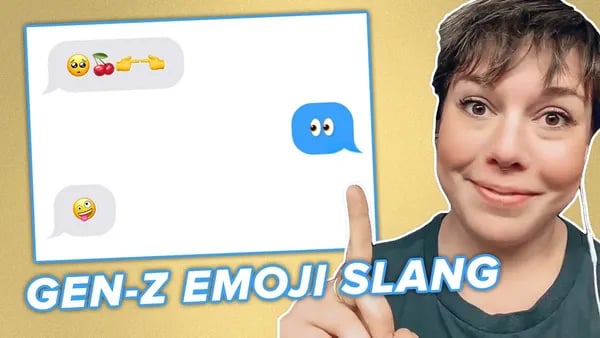
Picture this: You're thirty, college-bound (again), bunking with Gen Z, and just sent what you thought was a friendly text—only to get chuckles and side-eyes. Turns out, those trusty emojis you’ve used for years might now say everything you didn’t intend. Let me take you inside my experience on the emoji frontlines, where ‘😂’ has surrendered to ‘💀’, and innocent smileys hide meanings I never saw coming.
When the Smiley Betrays You: Gen Z Emoji Meanings Decoded
If you think you know what a smiley face means, think again. In the world of Gen Z emoji meanings, the familiar icons you’ve used for years may now carry a completely different—and sometimes opposite—message. As Scarlett, a millennial living among Gen Z, puts it:
“The following emojis don’t mean what I thought they mean.”
This shift isn’t accidental. Gen Z deliberately subverts standard emoji interpretations, using irony and layered sarcasm to create a digital language that signals in-group belonging and distances them from older generations. Let’s decode how some of the most common emojis have been reimagined, and how emoji communication differences can leave you lost in translation.
😃 The Smiling Assassin: Passive-Aggressive Smiley
You might send the classic grinning face (😃) to show friendliness or positivity, but for Gen Z, this emoji now often screams passive-aggressive. If you receive this after a tense exchange, don’t be fooled by the cheerful grin—it’s likely a digital eye-roll. In Gen Z emoji irony, the smiley is weaponized to convey sarcasm or subtle annoyance, not warmth.
😇 and 🥺: Innocent or… Not?
Some emojis have become double agents. The angel face (😇) and pleading face (🥺) can mean “I’m innocent,” but in the right context, they can also mean “I’m horny.” Yes, you read that correctly. The line between wholesome and NSFW is razor-thin in Gen Z emoji slang. The meaning depends on the conversation, the relationship, and even microtrends circulating on TikTok or Twitter.
- 😇 – Innocent, or (ironically) not so innocent
- 🥺 – Shy, embarrassed, or suggestive
😜 and 🤪: Silly, But Make It Meta
The winking tongue out (😜) and zany face (🤪) still mean silly, but Gen Z uses them in a more tongue-in-cheek, self-aware way. When someone says they’re in a “silly goofy mood,” it’s often with a layer of irony—mocking the very idea of being silly. Emojis are rarely used at face value; there’s almost always a wink behind the wink.
💀: Dead From Laughter
Forget 😂 (tears of joy). For Gen Z, the skull emoji (💀) is the new gold standard for “I died laughing.” It’s a perfect example of emoji communication differences—what was once reserved for Halloween now means “that was so funny, I’m dead.” Using 😂 is considered outdated or even “cringe.”
🧍: The Standing Man and the Art of Awkwardness
Meet the standing man (🧍), a Gen Z favorite for expressing peak awkwardness or social discomfort. If you see this emoji dropped into a conversation, picture someone standing alone, unsure of what to do—a digital embodiment of “I don’t know how to react.” It’s a hallmark of Gen Z’s awkward humor and self-deprecation.
- 🧍 – “I feel awkward,” “I don’t know what to say,” or “This is uncomfortable.”
🚶: I’m Out (Literally)
The walking emoji (🚶) has evolved into a mic-drop moment. It now means “I’m leaving,” “I’m done,” or “I’m walking away from this situation.” Sometimes, it’s paired with a joke about dancing out of an awkward moment—another nod to Gen Z’s love of irony.
😬 and 🤯: Emojis That Are Now “Cringe”
Some emojis have been banished to the land of the uncool. Any emoji with teeth—like grimacing face (😬)—is now considered “cringe.” The mind blown emoji (🤯) is also out. Using these marks you as out of touch with current Gen Z slang.
😢: Not Crying, Just Embarrassed
You’d expect the crying face (😢) to mean sadness, but Gen Z often uses it to signal extreme embarrassment. The context is key: a story about a social faux pas, followed by 😢, means “I can’t believe I did that.”
🔊👂 and 🍒: Listening and… Something Else
A combination like speaker and ear (🔊👂) means “I’m listening” or “Sounds good to me.” But the cherries emoji (🍒) now means “titties”—not necessarily the sender’s, but as a general NSFW reference.
Gen Z Emoji Irony: A Secret Digital Language
Gen Z’s approach to emojis is layered, ironic, and ever-shifting. They use familiar symbols in unexpected ways, often to signal in-group belonging or poke fun at older generations. The result is a secret digital language where meanings are fluid, context is everything, and the smiley face might just be your worst enemy.
A Millennial in Emoji Purgatory: Communication Wires Get Crossed
If you’re a millennial navigating the digital world, you might feel like you’re suddenly speaking a foreign language—especially when emojis are involved. What once felt like a universal toolkit for expressing feelings has become a minefield of shifting meanings, inside jokes, and accidental insults. The classic Millennial emoji usage—think 😂 for laughter or ❤️ for affection—now signals your age, and possibly your cluelessness, to Gen Z. As Scarlett, a 30-year-old college student living among Gen Z peers, discovered, the emoji landscape is full of traps for the unwary.
Literal vs. Layered: The Generational Emoji Divide
Millennials tend to use emojis in a straightforward, literal way. If something is funny, you send 😂. If you’re feeling grateful, you might use 😊. But changing emoji meanings are the new norm. Gen Z, on the other hand, has taken these familiar symbols and injected them with irony, sarcasm, and emotional complexity. The same emoji can now mean the opposite of what you intend—or something wildly unexpected.
-
Millennial:
😁= “I’m happy!”
Gen Z:😁= “I’m being passive-aggressive, and you should probably be offended.” -
Millennial:
🤯= “Mind blown!”
Gen Z:🤯= “Social suicide. Don’t use it.” -
Millennial:
😊= “Friendly, warm.”
Gen Z:😊= “Cringe, basic, or even fake nice.”
Scarlett’s experience highlights how generational differences in emoji can lead to awkward or even hostile misunderstandings. What’s meant as a friendly gesture can come across as sarcasm, shade, or worse.
Emoji Minefield: Innocence, Irony, and Insults
Scarlett’s attempts to fit in with her Gen Z dorm-mates quickly turned into a lesson in digital humility. Emojis she thought were harmless or cute were met with confusion—or outright mockery. Here’s a breakdown of some of the most surprising shifts:
-
😁(Grinning Face with Smiling Eyes): Once a go-to for expressing happiness, it’s now “very passive aggressive.” Scarlett learned, “So if you get this, be insulted immediately.” -
😇(Smiling Face with Halo): For Gen Z, this can mean “innocent” or, bafflingly, “horny.” Scarlett’s reaction: “Why?” -
😜(Winking Face with Tongue): Still silly, but now used in a more tongue-in-cheek, ironic way. “They call it silly goofy mood.” -
🥺(Pleading Face): Used for “ashamed or shy, but also sometimes horny.” Context is everything. -
😩(Weary Face): No longer just tired—now shorthand for “f*ck my life.” -
😅(Grinning Face with Sweat): “I’m stressed, but it’s fine.” A subtle difference, but important. -
💀(Skull): “I’m killing myself tonight.” Used to express extreme embarrassment or cringe, not literal intent. -
👂(Ear): “I’m listening. Sounds good to me, or ooh.”
🍒(Cherries): “This means titties now. Probably doesn’t mean my titties, but they mean titties.”
What’s ‘Cringe’ Now: Teeth and Mind Blown
Perhaps the most surprising revelation for millennials is that certain emojis are now considered “cringe” by Gen Z. Scarlett reports:
“You should not be using any emoji with teeth in it because it’s cringe, and you should not be using the mind blown emoji because that’s also cringe.”
That means 😁, 😬, and 🤯 are off-limits if you want to avoid digital side-eye. What was once expressive is now a red flag for being out of touch.
Emoji Usage Advice: How to Avoid Digital Faux Pas
- Stick to neutral or context-specific emojis when chatting with Gen Z.
- Avoid emojis with teeth or “mind blown” symbols.
- When in doubt, observe how others use emojis before jumping in.
- Remember: meanings shift quickly—staying “with it” means relearning your digital ABCs on the fly.
Scarlett’s friendly emoji habit backfired spectacularly in Gen Z territory, where what’s cute to her is either aggressive, cringe, or just extremely out-of-date. It’s open season on millennial emoji staples, and the communication wires get crossed more often than you’d think.
Emoji Survival Guide: Tips, Cautions, and a Few Wildcards
Navigating Gen Z’s emoji ecosystem is a balancing act—equal parts intuition, observation, and restraint. If you’re looking for emoji usage advice in 2025, remember: digital communication is both a minefield and an amusement park for the bold. What’s cool today could be cringe tomorrow, and the line between clever and confusing is razor-thin. As cultural shifts in digital communication accelerate, even the most popular emojis of 2025 can become instant relics or, worse, inside jokes at your expense.
So, how do you avoid becoming the butt of the joke in this ever-shifting emoji slang landscape? The answer is simple: when in doubt, keep it minimal. Less is more—and, often, more mysterious. Overloading your messages with emojis can signal you’re trying too hard or, worse, that you’re out of the loop. Instead, a single, well-chosen emoji can say more than a string of ten. This approach not only protects you from accidental faux pas but also leaves room for interpretation, which is often the point in Gen Z’s coded digital language.
Before you hit send, take a moment to hover on platforms like TikTok, Discord, and Twitter. These spaces are the real-time laboratories where emoji meanings are tested, twisted, and sometimes trolled. What looks like a harmless smiley or a quirky combination (think 🙂✋ or 💀😂) could actually be shorthand for a niche mental state or an inside joke you’re not privy to. Emoji slang is fluid, and microtrends can shift overnight. Yesterday’s innocent symbol could be today’s punchline—or worse, a subtle dig.
Context is everything. One emoji may carry five meanings, some of which you definitely don’t want attached to your message. For example, the skull emoji (💀) once signified literal death, but now it’s shorthand for “I’m dead” (as in, “That’s so funny I’m dead”). But even this meaning can mutate, depending on who’s using it and where. The mind-blown face (🤯) might seem like a safe bet, but as Scarlett warns, “Don’t trust this. Don’t use it. Until next time.” Sometimes, emojis are deliberately co-opted as part of a troll or a joke, leaving the uninitiated looking out of touch.
Combination emojis are especially tricky. Pairings like 🙂✋ or 💀😂 express nuanced, often ironic states of mind—think “I’m fine (but not really)” or “I’m laughing so hard I’m dead.” These combos are the digital equivalent of inside jokes, and using them without understanding can backfire. If you’re unsure, peer advice is clear: if you wouldn’t say it in real life, double-check before pressing send. The stakes are higher than you think; a misplaced emoji can change the entire tone of your message or signal something you never intended.
Scarlett’s parting warning is worth repeating: emoji meanings can be trolled, faked, or deliberately obscured. The safest bet? Stay curious, never assume, and, for goodness sake, don’t use the mind-blown face unless you’re absolutely sure of its current meaning. This is the essence of smart emoji usage advice—observe, adapt, and err on the side of caution. The digital landscape is always shifting, and what’s clever today could be tomorrow’s cautionary tale.
In conclusion, surviving Gen Z’s emoji language requires humility and vigilance. Cultural shifts in digital communication mean that even the most popular emojis of 2025 are subject to rapid reinvention. When in doubt, keep it minimal, hover on social platforms for real-time context, and consider the many-layered meanings behind every symbol. Above all, remember Scarlett’s words:
‘Don’t trust this. Don’t use it. Until next time.’
Stay curious, stay cautious, and let your emoji game evolve with the times.