.png&w=1280&q=75)
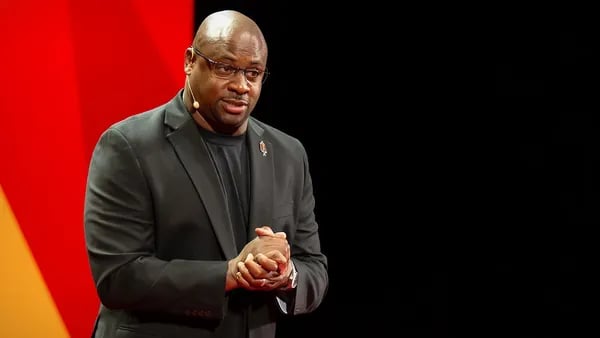
I can still see my daughter, Desiree, cutting across the backyard, football tucked close, hair flying—her grin as wide as the sky. She didn't know the meaning of 'no.' The funny thing, though? The world tried to teach it to her anyway. This isn't just Desiree's story—it's the story of every girl who wanted to play, only to find doors locked. Today's world is changing. Girls lacing up cleats. Locker rooms finally welcoming all. And as flag football barrels toward the Olympics, maybe—just maybe—we’re about to witness something historic. But will we truly let her take the field?
From Backyard Dreams to Broken Barriers: How Women's Flag Football Got Its Start
Imagine your daughter, your niece, or your granddaughter. She’s out in the backyard, football in hand, eyes bright with excitement. She throws a perfect spiral, outruns her friends, and laughs as she scores another touchdown. For so many girls, this is where their love for football begins—right at home, playing with family and friends. But for generations, that’s also where the dream ended.
Girls like Desiree, who could throw a football as well as any boy, often found themselves blocked from the next step. Desiree’s story is all too familiar. By the time she was seven, she was smart, agile, and tough—everything you’d want in a quarterback. She played countless games in the backyard, but when she turned ten, the opportunities to keep playing vanished. Not because she lost interest, but because the doors simply weren’t open to her. The same story played out for Tracy Williams in Trenton, New Jersey. Tracy was fast, competitive, and talented. She played every sport, but when it came to football, “there was no coach or recruiter in the neighborhood, recruiting Tracy.”
Maybe you’ve seen it yourself. My neighbor’s daughter was the best quarterback in our block’s pickup games. But when middle school tryouts came, they were for boys only. She watched from the sidelines as her friends moved on without her. This is the reality so many girls have faced: their passion and skill were never the problem—it was the lack of access and opportunity.
For decades, women’s flag football barely existed outside informal games. Custom and policy both said football belonged to boys. The “man box”—that unspoken rule that sports, especially football, were for men—kept girls on the sidelines, no matter how much heart or drive they had. Even when girls showed up with talent and determination, they were often told, directly or indirectly, that the field wasn’t for them.
These barriers weren’t just about tradition—they were about access. There were no girls’ teams, no coaches looking for female players, no recruiters at girls’ games. The locker room doors stayed closed. The playing field was anything but level.
"There was no coach or recruiter in the neighborhood, recruiting Tracy."
But the dream never truly died. Girls kept playing wherever and however they could. They gathered in backyards, parks, and empty lots, forming their own teams and making their own rules. They proved, over and over, that girls’ participation in sports wasn’t about ability—it was about opportunity.
Today, the landscape is finally changing. Fourteen U.S. states now recognize girls’ flag football as a varsity high school sport, and more are expected to follow. Flag football is breaking down gender barriers in football, opening doors that were once firmly shut. Every time a girl steps onto the field, she’s not just playing a game—she’s rewriting the rules and showing the world that women in football opportunities are here to stay.
Rise of the Flag Football Movement: Momentum, Milestones, and Moments of Truth
Fast forward thirty years, and you’ll find yourself in the heart of a revolution—the flag football movement is no longer just a dream. Today, flag football is played by more than 20 million people across 100+ countries, with girls and women taking the field in numbers never seen before. This is not just a trend; it’s a global shift. The sport is opening doors for young women, giving them a chance to compete, lead, and shine in ways that simply didn’t exist a generation ago.
From Playground to Olympic Podium: The Momentum Builds
Why is this movement exploding right now? The answer is simple: flag football is affordable, accessible, and all-inclusive. It teaches the same life skills—leadership, resilience, grit—that tackle football has always offered, but now these lessons are being shared with young girls everywhere. The sport is also social media friendly, helping it spread faster and further than ever before.
The numbers tell the story. Over 35,000 girls and young women participate in organized women’s flag football leagues each year, and that number is rising fast. NFL FLAG now reaches six continents, integrating women into sports culture worldwide and giving girls everywhere the chance to dream big.
Milestones: Girls’ Varsity Flag Football and Beyond
- 17 states have officially sanctioned girls’ varsity flag football as a true high school sport.
- 19 more states are running pilot programs, bringing the dream closer to reality for thousands more girls.
- At least 100 colleges now offer flag football scholarships, with more joining every year.
These milestones are rewriting history. For the first time, girls are not just watching from the sidelines—they’re playing under Friday night lights, earning varsity letters, and even landing college scholarships. As one trailblazer put it:
“She’s the first female to earn a Division I, full scholarship for flag football. She’s the first of many.”
This moment is bigger than one athlete. It’s about a new generation of girls who see themselves as competitors, leaders, and champions.
Moments of Truth: Olympic Debut and Global Recognition
The ultimate validation comes in 2028, when flag football will make its Olympic debut at the Los Angeles Games. After more than a century, young women will finally represent their countries in a sport that once had no place for them. This isn’t just a win for the United States—it’s a global victory, made possible by the passion and skill of female athletes worldwide.
With the NCAA Emerging Sports for Women program and the NAIA supporting collegiate growth, the future is wide open. The flag football movement is unstoppable, and you are witnessing history in the making—one touchdown, one scholarship, and one Olympic dream at a time.
Grit, Growth, and Real-World Superpowers: What Girls Gain from Flag Football (Besides Touchdowns)
When you let girls take the field, something powerful happens—far beyond the scoreboard. Flag football is more than a game; it’s a launchpad for life skills through flag football that last long after the final whistle. As the NFL and its partners work with over 2,000 schools to bring flag football into PE classes and varsity programs, girls everywhere are discovering their own superpowers—on and off the field.
Leadership, Resilience, and Communication: Skills for Life
Flag football isn’t just about running plays or catching passes. It’s about learning to read a defense—and, in real life, reading a room. It’s about calling an audible when things change—just like solving a problem under pressure at work or school. These are the benefits of flag football that go far beyond athletics:
- Leadership: Girls step up to call plays, guide teammates, and make quick decisions. These are the same skills that help you lead a project or speak up in a meeting.
- Resilience: Every dropped pass or missed flag is a lesson in bouncing back. You learn to keep going, even when things get tough.
- Communication: Success on the field depends on clear, confident communication. These skills transfer directly to school, friendships, and future careers.
Confidence and Belonging: The Power of Participation
Girls who play flag football report higher self-confidence, powerful peer bonds, and a real sense of belonging. One mom, once a skeptic, shared: “Now my shy daughter calls the shots—on and off the field.” That’s the magic of inclusive sports for women: every girl gets a chance to shine, to lead, and to find her voice.
"The self-confidence this sport gave them is a measurement."
Flag football creates a space where girls support each other, celebrate each other’s wins, and pick each other up after a loss. These peer bonds become a network of encouragement that lasts long after the season ends.
Accessible, Inclusive, and Open to All
Flag football stands out for its accessibility and inclusivity. You don’t need expensive gear or years of experience to join. This community support for girls means girls from all backgrounds can participate, learn, and grow together. Whether you’re playing at your school, a local park, or through a community league, the door is open.
As more schools and parks offer flag football, you can help nurture this movement. Ask your school if girls have the chance to play. Reach out to your local parks and rec. Every question, every new team, is a step toward a level playing field.
Transferable Life Lessons: Superpowers for the Real World
Flag football nurtures traits that outlast the game itself. Leadership, grit, and problem-solving—these qualities aren’t gendered, but opportunity often is. When you open the door for girls, you open up a future of possibilities. Today’s flag football players are tomorrow’s leaders, teammates, and changemakers—on the field, in the boardroom, and everywhere in between.
Don't Watch the Moment—Be the Movement: How You Can Pass the Ball Forward
Right now, women’s flag football is breaking barriers, making history, and earning its place on the world’s biggest stages. But the movement doesn’t end with new rules or Olympic inclusion—it starts with you. Progress is not something that happens on autopilot. It’s momentum, built by every parent, coach, student, and neighbor who chooses to act. Community support for girls is the foundation that lifts dreams from the backyard to the Olympic field.
Ask yourself: Are the girls in your local schools and recreation programs truly able to play? Not just in name, but in real, meaningful ways? If the answer is no—or even “sort of”—it’s time to push for change. Challenge the system. Don’t let ‘good enough’ be enough. Token progress is not the same as genuine equality. Demand inclusive sports for women, and make sure flag football inclusivity is more than a headline—it’s a reality in your community.
Imagine a world where your niece, your daughter, or your granddaughter is not just watching the Olympics, but walking out in Team USA gear, ready to represent her country. Imagine her taking the field, cheered on by a stadium—and a nation—that believes in her. This is not a distant dream. The future of women’s sports is being written right now, and you have the power to shape it.
You don’t have to be a coach or an athlete to make a difference. Mentor a young player, help fundraise for better equipment, or simply show up and cheer from the sidelines. Every little nudge counts. When you support women in football opportunities, you’re not just helping one girl—you’re strengthening the entire movement. Community involvement multiplies impact far beyond what any single campaign or policy can achieve.
Resist the urge to settle once girls have “access.” Keep pressing for quality, recognition, and resources. The growth of flag football is being driven by grassroots community support and national-level initiatives alike, but it’s the everyday actions—your actions—that ensure girls not only join the game but stay in it, thrive in it, and change it for the next generation.
“Let her dream. Just let her take the field. Why? Because the future of football and sports, it is through women and it is now.”
So, don’t just watch the moment—be the movement. The unstoppable rise of women’s flag football is a call to action for all of us. Let’s pass the ball forward, together, and make sure every girl has the chance to take the field, chase her dreams, and shape the future of sports.