.png&w=1280&q=75)
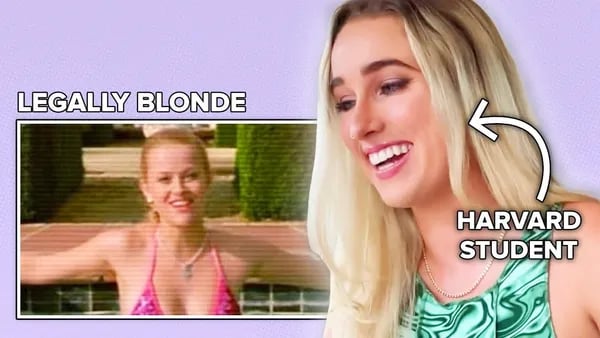
The first time I watched Legally Blonde, I was convinced attending Harvard was all high heels and high drama—the pink suit, the stuffy admissions dudes, and that classic ‘you got in?’ moment. Years and one Ivy League experience later, I can safely say: reality is far weirder, wilder, and (occasionally) more mundane than what Hollywood serves up. Let’s run through dorm room quad scenes, secret societies, and administrative mysteries, with my own memories and the straight-from-campus confessions of Ivy Leaguers. Spoiler alert: sometimes we really do have ultimate frisbee, but nobody looks good in tweed. Dive in for an unfiltered journey from the Van Wickle Gate to ‘The Office’s’ jabs at poor Cornell.
Hollywood Admissions: How Legally Blonde Got (Some) Things Right and Most Things Wrong
When I first watched Legally Blonde, I couldn’t help but laugh at the over-the-top Harvard admissions scene. But as someone who’s spent years researching Ivy League admissions process quirks, I was surprised by how much the movie got both right and wrong about the real deal. Let’s break down the Legally Blonde Harvard admissions accuracy—and the myths it keeps alive.
Elle Woods’s 4.0 GPA & 179 LSAT: Statistically Wild, Not Totally Fictional
Elle’s academic stats are the stuff of legend in the movie. A 4.0 GPA from UCLA? That’s impressive, but not unheard of. The real jaw-dropper is her 179 LSAT score. For context, the LSAT is scored out of 180, and a 179 puts you in the top 0.1% of all test-takers. While rare, it’s not impossible. Harvard Law does admit a handful of students each year with near-perfect scores, so this part of the Legally Blonde Harvard admissions story isn’t totally off-base.
Harvard’s Admissions Committee: More Than Just Old White Men
The movie shows a committee that looks like it stepped out of a dusty portrait gallery. In reality, the Ivy League admissions process is handled by a diverse group of professionals. Harvard’s admissions officers today come from a wide range of backgrounds, and the “holistic review” process—where your entire story, not just your numbers, matters—is very real. Still, the stereotype of the stuffy, exclusive committee persists in pop culture, and Legally Blonde doesn’t do much to challenge it.
Holistic Review: Fact, Not Just Fiction
One thing the movie gets right is the idea that admissions isn’t just about numbers. Elle’s video essay, while exaggerated, is a nod to the real-life importance of personality, leadership, and self-advocacy in the Ivy League admissions process. I’ve met students who say, “I’m going to tell all of you at Harvard why I’m going to make an amazing…”—and sometimes, that confidence really does shine through.
Transparency and the Right to Read Your Own File
Here’s a fact that surprises a lot of people: At Harvard, you can actually request to see your own admissions file after you’ve been accepted. As one student put it,
“At least at Harvard, we have the right to see our application after we've been admitted and see our interviewer's comments on us and also the admissions officers' comments.”
It’s a rare window into the process, and it can be both thrilling and anxiety-inducing. Not all Ivy League schools offer this level of admissions transparency, which only fuels the myths and anxieties around how decisions are made.
Diversity: More Than a Punchline
In Legally Blonde, diversity is mostly played for laughs. But in real life, both Harvard and other Ivies have made public commitments to increasing diversity on campus and in their admissions offices. Still, progress is slow, and the old tropes about who “belongs” at Harvard linger—on screen and off.
Gossip Girl High Heels, Columbia Blue: Social Elitism, Money, and the Myth of New York Campuses
When I first watched Gossip Girl’s Columbia arc, I laughed out loud at the sight of Blair Waldorf strutting across campus in sky-high heels. Let’s get real: nobody wears heels for more than two blocks in Manhattan, no matter what Gossip Girl says. The Columbia portrayal in Gossip Girl is all about fantasy—think pre-war doorman apartments, endless brunches, and an endless parade of designer shoes. But beneath the glitz, the show does tap into something real: the subtle, sometimes brutal world of Ivy League social elitism.
On screen, Columbia is a playground for the ultra-wealthy. Blair and her friends celebrate snagging a “pre-war doorman” apartment—a luxury so rare for actual students that it borders on myth. I remember my own college housing hunt: most of us squeezed into tiny walk-ups, not luxury buildings with uniformed staff. The question, “Who can afford a doorman in college?” is more than a punchline; it’s a window into the class divides that quietly shape campus life.
Then there’s the sports angle. Gossip Girl makes a big deal about lacrosse games, but here’s the truth: “If you can make one thing this gets wrong, it’s the idea that anyone would go watch a lacrosse game.” At Columbia and other Ivies, the real action is in quirky, old-world sports like archery and fencing—anything that looks like it belongs in a medieval castle. We were “notoriously bad at sports,” but somehow, we excelled at the ones that felt like they involved a torture device.
Social elitism at Ivy League schools is rarely as loud as it is on TV, but it’s just as sharp. The snobbery about NYU versus Columbia is a perfect example. In Gossip Girl, transferring to Columbia is treated like a social upgrade, and NYU is “so beneath you.” It’s exaggerated, but not entirely off base. I’ve heard the real-life version:
“We have definitely encountered people who like looked down at non-Ivy League schools.”The awkwardness is real, and sometimes, so is the bite.
What Gossip Girl gets right is the sense of urban Ivy fantasy. The city is your backdrop, the rent is sky-high, and the social drama is relentless. But the reality? Most of us spent more time in midnight study sessions than at rooftop parties. Paralegal jokes and apartment envy aside, the real Columbia experience is a mix of privilege, pressure, and the constant hum of the city outside your window.
In the end, the Columbia portrayal in Gossip Girl is an exaggerated but entertaining take on Ivy League social elitism. It’s a world where money talks, status matters, and everyone’s just trying to find their place—whether they’re wearing high heels or sneakers.
Brown, Chillest Ivy? Campus Culture, Cheating Myths, and the Truth About the Quad
Brown University campus culture gets a lot of airtime in pop culture, especially when it comes to Ivy League traditions and campus life. I’ll admit, I laughed when Family Guy spoofed Brown, poking fun at everything from the Van Wickle Gate to the “quad culture.” But as someone who’s actually lived it, I can tell you: the real Brown experience is both more laid-back and more complex than TV lets on.
The Van Wickle Gate: More Epic on TV
Let’s start with the Van Wickle Gate. On screen, it’s this almost magical portal—students passing through, sunlight streaming, everyone looking like they stepped out of a catalog. In reality? Sure, it’s iconic, but most of us walk by without a second thought. The gate is a symbol, but the real action happens on the quad.
The Truth About the Quad: Frisbee, Spikeball, and Lounging
If you want to understand Brown University campus culture, look to the quad. Hanging out on the green isn’t just a cliché—it’s a lifestyle. Ultimate Frisbee isn’t a punchline here; it’s a campus-wide phenomenon. I was never the type to “feen” for spikeball or frisbee, but I couldn’t help but notice how the quad drew everyone in. It’s where you see the best of Ivy League traditions: spontaneous games, deep conversations, and a sense of community that’s hard to fake.
Chillest Ivy? It’s Complicated
"Brown is often dubbed as the chillest Ivy, and honestly, I take that title in stride. I'm very grateful to Brown's culture for chilling me the freak out."
Brown’s reputation as the “chillest Ivy” is both a point of pride and a running joke. Yes, the atmosphere is more relaxed than at, say, Harvard, where the vibe is “work hard, play hard.” But don’t let the casual dress code fool you—students here work seriously hard. Academic honesty is a big deal. I remember a Family Guy bit where Stewie tries to cheat, only to be shut down. That’s not just a gag; Brown’s academic code is strict. Cheating isn’t tolerated, no matter how laid-back the campus looks.
Dress Codes and Creative Vibes
Forget blazers and pearls—Brown’s style is all about comfort and self-expression. You’ll see students in thrifted sweaters, funky hats, and yes, sometimes pajamas. There’s no official dress code, and that’s part of the cultural story. The creative, open attitude you see in media? That’s real, and it’s something the university is proud of.
Diversity: The Real Picture
Media often exaggerates Ivy League diversity, but the truth at Brown is more nuanced. Scenes with three Black students might be a nod to changing times, but campus diversity is still a work in progress. Representation is growing, and conversations about admissions transparency and inclusion are louder than ever. Brown University campus culture is shifting, even if it’s not quite what Hollywood imagines—yet.
Secret Societies, Frats, and Final Clubs: The Shady, Shiny (Mostly Fictional) Underbelly
If you ask anyone what they picture when they think of Ivy League campus life, chances are you’ll hear about secret societies, final clubs, and wild frat parties. Pop culture loves to show us the mysterious, the elite, and the downright outrageous. But how much of it is real, and how much is just movie magic? Let’s take a stroll through the most infamous Ivy League traditions and the myths that keep them alive.
Yale’s Skull and Bones: Branding, Handshakes, and Presidential Power
Yale’s Skull and Bones society is the gold standard for secret society lore. Movies like The Skulls show intense rituals—branding, secret handshakes, and whispered oaths. The reality? Skull and Bones is real, and yes, it’s had some famous members (including a few U.S. Presidents). The branding scene in the movie is over the top, but the society’s secrecy and rumored power are not entirely fiction. I’ve heard stories about their low-key recruitment and the “besties for life” bonds, but most of us never get anywhere near those windowless tombs.
Harvard Final Clubs: Bougie, Exclusive, and Controversial
When it comes to Harvard final clubs exclusivity, the movies don’t exaggerate much. The Social Network nails the vibe: guys in suits, velvet ropes, and parties that feel more like a scene from Gossip Girl than a college dorm. “All the guys in suits, so accurate. Such bougie parties. I’ve never been invited to one of those,” is a line that rings true for most Harvard students. These clubs are public knowledge, but getting in is another story. They’re controversial for good reason—steeped in privilege, tradition, and a history of being very white and very male. Even at Harvard, there are levels of exclusivity, and final clubs are at the top.
Dartmouth’s Animal House: Wild Reputations and Real Traditions
Dartmouth’s reputation for rowdy frats was cemented by Animal House, which is “based on a frat at Dartmouth. Allegedly. Allegedly. Called AD.” The stories are legendary: branding, rumored drug budgets, and parties wild enough to get a house shut down. “They did brand people. I did see a few brands,” someone once told me. But those wild days are mostly gone—today, Dartmouth’s frats are more about social connection than chaos. Still, traditions like the senior cane (the ultimate “cane flex”) keep the legend alive.
Myth vs. Reality: Ivy League Traditions and Campus Life
Secret societies and final clubs dominate the aura of exclusivity in Ivy League culture. Pop culture’s obsession with hidden rituals, secret budgets, and elite social circles only partly mirrors campus reality. The truth? Most Ivy League students are just trying to find their place—sometimes at awkward parties, sometimes coding on a Saturday night. The stories get more outlandish the further you get from campus, but the fascination with Harvard final clubs exclusivity and Dartmouth Animal House reputation isn’t going anywhere.
Cornell, The Office, and Why Ivy Pride is Funny, Flawed, and Relatable
If you’ve ever watched The Office, you know that Cornell University portrayal The Office is legendary. Andy Bernard, the show’s most famous Cornell alum, brings his alma mater into almost every conversation—usually to the eye rolls of his coworkers. The running joke? Cornell is the Ivy League’s favorite punchline. But as someone who’s lived through the Ivy League experience, I can tell you: the humor hits close to home for a reason.
There’s a real dynamic among Ivy League schools that The Office nails, even if it exaggerates for laughs. Cornell gets roasted for being the “easiest Ivy” or the “odd one out,” but every school has its quirks and insecurities. I’ve seen Columbia students quietly flex, Harvard grads underplay their status, and Dartmouth folks form what can only be described as a cult—at least among themselves. The Ivy League look stereotype—think preppy sweaters and smug confidence—shows up in movies like Trading Places, where Ivy style is linked to characters with questionable morals. It’s satire, but with a kernel of truth.
The pride (and the inferiority complex) is real, and it often shows up in the weirdest ways. For example, when I was applying, the interview process was a rite of passage.
"And it does also take me back to when I was doing interviews. A very, very nerve-wracking process."The interviews felt arbitrary at times. I’ve heard stories of interviewers commenting on everything from a student’s handshake to their shoes—sometimes even their appearance. My own Cornell interviewer was lovely, but I know not everyone had that experience. These interviews become stories you tell for years, shaping how you see the school and yourself.
School pride is a strange beast in the Ivy League. At Harvard, people almost never say “I went to Harvard” unless pressed. At Columbia, there’s pride, but it’s more individual than collective. Dartmouth? If you know, you know—it’s like a secret society. The fewer people who’ve heard of your school, the more intense the loyalty. It’s funny, because media like The Office and countless Ivy League movie scenes always crank up the rivalry and wild loyalty for laughs. But honestly, it’s not that far off. We all get a little protective of our alma mater, even if we pretend not to care.
- Cornell University portrayal The Office: the ultimate Ivy League inside joke.
- Every Ivy has pride and an inferiority complex—sometimes both at once.
- Ivy League student experiences: interviews are harrowing, arbitrary, and unforgettable.
- School pride: hot, cold, or cultish, depending on the crowd.
- Media exaggerates, but the rivalry and pride are rooted in reality.
In the end, the jokes about Cornell (and the rest of the Ivies) are funny because they’re a little bit true—and a little bit ridiculous. That’s what makes Ivy pride so relatable, even if you’ve never set foot on campus.
Who Gets To Be ‘Ivy’? Changing Faces and the Ongoing Battle Against Old Stereotypes
When I think back to the Ivy League movies and TV shows I grew up with, I can almost picture the casting call: white, male, and always dressed in that unmistakable “Ivy League look”—think pressed khakis, navy blazers, and a certain air of inherited confidence. For decades, screenwriters seemed to believe that was the only story worth telling. The Ivy League diversity representation was, frankly, almost invisible. If you weren’t a Brooks Brothers poster child, you didn’t exist in those hallowed halls—at least, not on screen.
But the world is changing, and so are the faces of the Ivy League. Today, I see more students and storytellers pushing back against those old stereotypes. It’s not just about adding a few diverse faces in the background; it’s about challenging the cultural expectations Ivy League schools have carried for generations. As one student put it,
"Even the Ivy League institutions, they are trying to break that trope. So I do think we're making a lot of progress, but there's definitely also still a lot of work to be done."
This shift is more than symbolic. When I visit campuses or watch new films set in these elite spaces, I notice how diversity shapes everything—from who feels welcome in a classroom, to whose stories get told, to how students dress and express themselves. The old Ivy League look stereotype is fading, replaced by a more authentic, varied sense of belonging. It’s not just about checking a box for admissions or casting; it’s about making sure that every student, regardless of background, can see themselves as part of the Ivy League story.
Of course, progress doesn’t erase the past overnight. There are still moments when the old stereotypes pop up, both on screen and in real life. Sometimes, it feels like the legacy of the “classic Ivy” hangs around like a stubborn Brooks Brothers blazer—hard to shake off, even as new voices and faces fill the halls. But the numbers don’t lie: seeing three Black students at an Ivy League school might have been a screen rarity a decade ago, but it’s increasingly real today. Students at places like Brown and Harvard are noticing the difference, and they’re not shy about calling for more.
Media representation of Ivy League diversity and admissions transparency is a growing topic, reflecting both cultural expectations and the realities inside these institutions. The more we see honest, nuanced stories about who gets to be “Ivy,” the more we chip away at those old, narrow definitions. For the next generation of Ivy-bound students—and for all of us watching from the outside—these changes offer hope. The Ivy League is no longer just a club for the privileged few. It’s a place where anyone, from any background, can belong and thrive. And that’s a story worth telling, on screen and off.