.png&w=1280&q=75)
If you’ve ever stood outside Buckingham Palace, waiting for a guard to flinch (guilty as charged!), you probably have a mental list of what you think you know about the Queen’s Guards. But, like the time I tried to make my brother laugh during a family photo—a feat more difficult than it looks—things aren’t always as straightforward as they seem. Today, we’re smashing through the myths, peering into ration packs, and maybe learning a new slang word or two along the way. Ready to question everything you thought you knew about those iconic red tunics?
Section 1: Busted Myths—No, They’re Not Just Living Statues
When you picture the Queen’s Guard, you might imagine a row of immovable figures in red tunics and bearskin hats, standing perfectly still outside Buckingham Palace. This iconic image has fueled countless myths about the Queen’s Guard duties, but the reality is far more complex—and impressive. Let’s break down the most common misconceptions and reveal the disciplined, demanding protocols that define the Queen’s Guards.
Myth 1: The Queen’s Guards Can’t Move—Busted
One of the most persistent myths is that the Queen’s Guard is not allowed to move at all while on sentry duty. In truth, while standing at attention is a core part of their role, the guards are not statues. Their primary responsibility is to provide security, and that means they must remain alert and ready to respond to any threat or emergency. If the guards couldn’t move, they’d never be able to fulfill their duties as protectors of the royal residences.
- Guards stand at attention but can take action if needed.
- Protocols for sentry duty are strict, but not at the cost of safety or security.
- Guards march at regular intervals to maintain circulation and vigilance.
As one guardsman put it:
"If these myths were true, we wouldn't be able to carry out our job as a guardsman."
This discipline is not just for show; it’s a crucial part of the Queen’s Guards security measures. Guards must be able to react instantly to any threat, and their composure is a testament to their rigorous training—not a sign of inaction.
Myth 2: The Queen’s Guards Aren’t Real Soldiers—Busted
Another widespread misconception is that the Queen’s Guards are simply ceremonial props, chosen for their appearance rather than their military skill. In reality, every member of the Queen’s Guard is a fully trained soldier, often with operational experience in the British Army. Their duties at royal residences are only one aspect of their military careers.
- Guards come from elite regiments such as the Grenadier Guards, Coldstream Guards, and Scots Guards.
- They undergo the same rigorous training as any other British soldier.
- Many have served in active combat zones before taking on ceremonial roles.
Their presence is not just for tradition—it’s a vital part of the security protocols for the monarchy. Up to four guards may be on duty at a time when the Queen is in residence, each responsible for maintaining vigilance and responding to any incident.
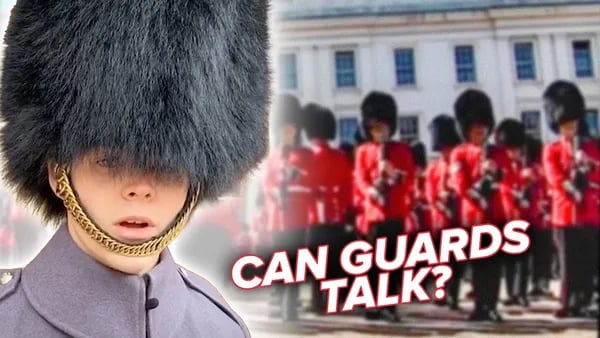
Myth 3: The Queen’s Guards Can’t Talk—Busted
It’s a common belief that Queen’s Guards are forbidden from speaking under any circumstances. While guards do not engage in casual conversation with tourists or onlookers, communication is allowed—and necessary—when it comes to their duties. Guards may issue warnings, give commands, or call for assistance if a situation demands it. Silence is a sign of discipline, not inability.
- Guards may speak to address security concerns or issue orders.
- Strict etiquette governs when and how they may communicate.
- They are trained to remain composed, but not at the expense of safety.
Standing at Attention: Discipline, Not Inhuman Endurance
Queen’s Guard duties require standing at attention for up to two hours per shift, with no eating, sleeping, or relaxing allowed at post. This level of discipline is demanding, but not inhuman. Protocols exist to protect the health and dignity of the guards, including the well-known Fainting Protocol. If a guard feels faint, they are trained to collapse forward, rifle in hand, to avoid injury and maintain composure. This procedure is a practical response to the physical demands of sentry duty, ensuring the guard’s safety without compromising the dignity of the post.
Protocols for Sentry Duty: Tradition Meets Modern Security
The strict etiquette and behavior protocols observed by the Queen’s Guards are rooted in centuries-old tradition, but they also reflect modern security needs. Every action, from the way a guard stands to how they respond to emergencies, is governed by detailed rules designed to protect both the royal family and the guards themselves. The discipline you see is not just for ceremony—it’s a living, breathing part of the United Kingdom’s security apparatus.
Section 2: What’s for Lunch? Unwrapping a Guardsman’s Rations
When you picture the Queen’s Guard standing motionless at their post, you might not immediately think about what fuels them through those long hours. Yet, behind the stoic exterior and ceremonial uniform, these soldiers rely on something very practical: the military ration pack. If you’ve ever wondered what a Guardsman eats during a day on duty, prepare to be surprised. The contents of a modern 24-hour military ration pack are a far cry from the bland, uninspired meals you might expect. In fact, they’re carefully designed for nutrition, variety, and convenience—because Queen's Guard duties demand nothing less.
Military Ration Pack Details: More Than Just Survival Food
Let’s break down a real example of a 24-hour military ration pack, the kind issued to the Queen’s Guard. Each pack is a self-contained kit, offering everything a soldier needs for breakfast, lunch, dinner, and snacks. The goal? To keep energy and morale high, even during the most demanding shifts.
- Breakfast: Natural muesli. As one Guardsman puts it:
'For breakfast, I'm having some natural muesli, just throw in a bit of water and it's good to go.'
This meal is quick, filling, and requires no cooking—ideal for a busy morning on duty. - Lunch: Bean and pasta salad. This dish can be eaten hot or cold, making it perfect for unpredictable schedules. It’s packed with protein and carbohydrates, providing sustained energy for hours of standing guard.
- Dinner: Vegetable korma. A warming, flavorful meal that’s easy to heat up or enjoy at room temperature. It’s a welcome comfort after a long day, and proof that military ration packs can offer real variety.
- Dessert: Cherry turnover. If you think army food is all gruel, think again. This sweet treat is a morale booster, and a reminder that even in the field, a little indulgence goes a long way.
Snacks and Extras: Keeping Energy Up
Beyond the main meals, the ration pack is loaded with snacks to keep Guardsmen fueled between shifts:
- Fruit juice sachets
- Peanuts
- Biscuit browns and oat biscuits
- Cereal bar
Each item is chosen for its nutritional value, portability, and shelf life. Whether you need a quick pick-me-up or a slow-release source of energy, these snacks are designed to deliver.
Practicality Rules: Designed for Duty
Military ration pack details go far beyond just the food. Every item is made to be practical and portable, reflecting the unique demands of Queen’s Guard duties. Meals can be eaten hot or cold, with no need for elaborate preparation. The pack even includes a spork—the ultimate all-in-one utensil—so you’re never caught without the right tool for the job. And, in a nod to real-world needs, there’s even a supply of toilet paper tucked inside. Practicality is as important as ceremony when you’re on the job.
Variety and Morale: Not Just One Menu
One of the most surprising aspects of the modern military ration pack is its variety. The menu described above is just one of many options available to Guardsmen. Each day can bring a new combination of meals and snacks, helping to prevent menu fatigue and keep spirits high. This attention to variety is more than a luxury—it’s a key part of maintaining morale during long, repetitive shifts.
Field-Tested Nutrition: Balanced for Performance
Every component of the 24-hour ration pack is carefully selected to meet the nutritional needs of a soldier on duty. Meals are balanced to provide the right mix of carbohydrates, protein, fats, vitamins, and minerals. They’re also designed to be shelf-stable and resilient, able to withstand the rigors of field conditions without losing quality or flavor.
In short, the military ration pack is an essential part of Queen’s Guard duties—practical, portable, and surprisingly enjoyable. It’s a reminder that even the most ceremonial roles are underpinned by smart logistics and attention to detail, right down to what’s for lunch.
Section 3: Slang, Horses, and Surprises—Behind-the-Scenes Quirks of Royal Guards
If you’ve ever watched the Queen’s Guards stand stoic at their posts, you might assume their world is all discipline and tradition. But step behind the scenes, and you’ll discover a vibrant culture built on camaraderie, inside jokes, and a unique language all their own. British Army slang terms are more than just words—they’re the glue that binds these elite soldiers together, helping them navigate the rigors of Royal Guards Training and the pressures of public duties ceremonial with a smile (even if you can’t see it under their bearskin hats).
A Crash Course in Army Slang
Let’s start with the basics. Army slang is a living, breathing part of daily life for the Guards. It’s not just about shortening words or inventing nicknames—it’s about building morale and a sense of belonging. Take the term ‘buck she’. As one Guard puts it,
“Buck she is when you get something for free.”If a fellow soldier hands you a spare ration or a game they no longer need, you’ve just scored something buck she. It’s a small win, and in the world of the Guards, those little victories matter.
Then there’s ‘gippin’. This word comes out when things get tough—think of a grueling circuit during training or a particularly long shift on parade. If you hear a Guard say, “That circuit is gippin’,” you know it’s been a rough day. And finally, ‘gash’—not a wound, but rubbish or trash. If you’re on cleanup duty and someone says, “I just picked up the gash,” you know exactly what they mean.
These British Army slang terms aren’t just for fun—they’re a sign of real camaraderie. They help Guards bond, lighten the mood, and remind each other that they’re all in it together, whether they’re braving the rain outside Buckingham Palace or tackling a tough training session.
Cavalry Secrets: Horses vs. On-Foot Inspections
But the quirks of Guard life go far beyond language. One of the most surprising aspects is the difference in inspection standards between the cavalry on horseback and those on foot. During Cavalry performance inspection, the mounted Guards consistently score higher marks than their on-foot counterparts. Why? The answer lies in the traditions of the British Army.
Mounted cavalry have always been held to exceptionally high standards. Their uniforms, tack, and horses must be immaculate—every detail is scrutinized. The pride in their appearance is legendary, and the inspection points reflect that. In contrast, the foot Guards, while still expected to maintain high standards, face slightly less pressure during inspections. This unique tradition highlights the deep respect for the cavalry’s heritage and the demanding nature of their role.
So, the next time you see a Guard atop a gleaming horse, remember: behind that polished exterior is a soldier who’s passed some of the toughest inspections in the British Army.
Imagine: Tourists Taking the ‘Buck She’ Test
Now, let’s have a little fun. Imagine if every tourist hoping to snap a selfie with a Royal Guard had to master a few Army slang terms first. Would they know what buck she means? Could they tell if a day was gippin’ or if something was just gash? It’s unlikely, but the thought of visitors trying to earn ‘bonus points’ by speaking the Guards’ language adds a whole new layer of excitement to the Changing of the Guard.
In reality, the Guards’ world is closed to outsiders, and their slang is a badge of honor—a secret handshake that marks you as one of their own. It’s a reminder that, beneath the ceremonial uniforms and centuries-old traditions, the Queen’s Guards are real people, with their own quirks, challenges, and inside jokes.
So, the next time you watch the Guards at work, remember: there’s more to their story than meets the eye. From Royal Guards Training and public duties ceremonial to the unique slang that keeps spirits high, the world of the Queen’s Guards is full of surprises—if you know where to look.