.png&w=1280&q=75)
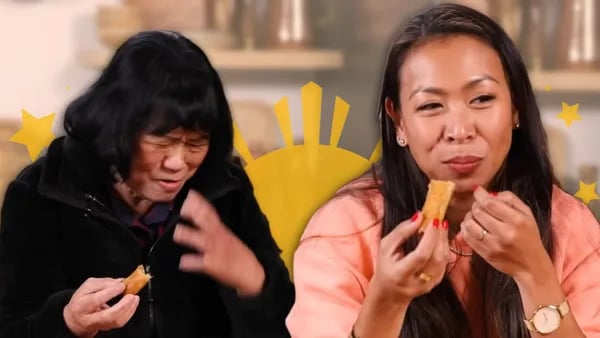
Let me confess: The first time I bit into a homemade Lumpia Shanghai, it didn’t crunch. It didn’t even snap. Instead, I was greeted by a limp, chewy mess—my family looked on in silent horror. In that moment, I learned Lumpia is as unforgiving as it is iconic. Filipino Spring Rolls are a test of patience, taste, and, let’s be honest, humility. This isn’t your usual food blog; we’re rolling up honesty with every wrapper, sharing wild opinions, kitchen fails, and laughter—because that’s the most Filipino ingredient of all.
When Lumpia Shanghai Fails (And Why That’s Awesome)
If you’ve ever made Lumpia Shanghai at home, you know the struggle is real. One minute you’re rolling up those perfect little logs, the next you’re facing a tray of limp, chewy, or pale lumpia that would make any Filipino lola sigh. But here’s the truth: every failed batch is a flavor lesson, and sometimes, the best stories come from the messiest kitchen mistakes.
Flopped Lumpia: Stories of Missed Crunch and Too Much Chew
Let’s be honest—Lumpia Shanghai is a test of patience and skill. Even the most seasoned home cooks get it wrong. In my own family, taste-testers don’t hold back. One memorable review?
“It tastes ugly.”That was my cousin, and yes, we’re still on speaking terms. Another time, the verdict was,
“So crunchy and dry. Nasty.”The panelists’ scores ranged from a lowly 3 to a sky-high 15, proving that flavor profiles are personal, and family members are the harshest critics.
What makes a Lumpia flop? It’s usually one of three things:
- Too Soggy: The wrapper absorbs too much oil, losing that signature crunch. As one taster put it, “It’s soggy.”
- Too Chewy: Overstuffed or undercooked, the wrapper turns rubbery. “Little chewy,” was the polite version. “Nakuunat. Bakit nakuunat?” was the more dramatic.
- Bland or Overly Salty: The umami flavor is missing, or it’s a salt bomb.
“Where’s the umami, where’s the salt?”
is a common refrain, followed by, “Maybe I just like it a little salty. I’m salty.”
Authenticity, Texture, and the Filipino Food Standard
Authenticity is the gold standard for Filipino food, especially Lumpia Shanghai. Family members compare every bite to their childhood memories or their own best batch. The phrase
“Mine is way better.”gets thrown around a lot. If your lumpia is too pale, not crunchy enough, or the filling isn’t packed with umami flavor, you’ll hear about it. One panelist summed it up: “It’s looking a little pale for my taste.” Another pointed out, “It’s all wrapper, I think when she rolled the lumpia.”
Texture is just as important as taste. A perfect Lumpia Shanghai should be crispy on the outside, juicy and flavorful inside. When it’s not, the feedback is swift and honest:
- “It’s so greasy and dry at the same time.”
- “Some edges are not secured, there are parts like the other side is burnt, the other side is not.”
- “Which means it wasn’t really flipped.”
Embracing Kitchen Mishaps: Learning from Each ‘Soggy’ Wrap
Here’s the awesome part: every failed lumpia is a step toward mastering the dish. Messy kitchen mistakes are where the best cooking tips are born. Maybe you learn to secure the ends better, or to fill the wrapper just right so it doesn’t break apart and “go all over your blouse.” Maybe you realize that a neutral flavor profile lets everyone customize with their favorite dipping sauce, as one taster noted: “This version is good because it’s not salty, it’s not spicy and you can dip it in a sauce if you want it much better or you want it saltier or you want it spicy.”
Panelists’ scores can swing wildly—one person’s six is another’s fifteen. That’s the beauty of Filipino food: it’s personal, competitive, and always evolving. The next time your Lumpia Shanghai is too crunchy, too chewy, or just not quite right, remember: every flop is a flavor experiment. And sometimes, the best flavor profiles are discovered by accident.
So, whether your lumpia is “crunchy and I enjoy it” or “tastes ugly,” keep rolling, keep frying, and keep learning. The quest for that perfect umami flavor—and the perfect crunch—never really ends.
The Secret Life of a Filipino Spring Roll (It’s Not All About the Crunch)
Is It Really Lumpia Shanghai If It’s the Size of a Turon?
When you think of Filipino Spring Rolls, you probably imagine something golden, crisp, and perfectly bite-sized. But what happens when that familiar roll shows up on your plate looking more like a turon (banana spring roll dessert) than a classic Lumpia Shanghai? As one honest taster put it,
“For me, it looks more like a turon than Lumpia Shanghai.”The size of your lumpia isn’t just a matter of presentation—it’s a question of authenticity and enjoyment. Traditionally, Lumpia Shanghai is served as a cocktail bite, an appetizer, or an hors d’oeuvre, not as a main dish or ulam. If you’re reaching for a spring roll that fills your palm, you’re missing the point. The ideal Lumpia Shanghai should be small enough to eat in one or two bites, making it the perfect party food.
Meat Overload: When Too Much Filling Goes Wrong
It’s tempting to pack your lumpia with as much filling as possible, but more isn’t always better. In fact, overstuffing can ruin the delicate balance that makes Lumpia Shanghai special. One reviewer summed it up:
“All meat and dry. There’s a lot of filling, which is good. But not a lot of flavor.”The secret is in the mix—not just the amount. You want a blend of pork (or your chosen protein), finely chopped vegetables, aromatics, and seasoning. If you focus only on meat, the roll becomes dense and one-dimensional. As another taster noted,
“It should be balanced, shouldn’t really just be the meat.”Ingredient variations are welcome, but harmony is essential. The best lumpia lets each component shine, so every bite is flavorful, moist, and never overwhelming.
Spring Roll Wrappers: Fragile, Finicky, and Fuel for Family Debates
The spring roll wrappers you choose—and how you handle them—can make or break your lumpia. Thin, delicate wrappers fry up to a shattering crispness, but they’re notorious for tearing, leaking, or unraveling if you’re not careful. Too thick, and you end up with chewy, doughy rolls that overpower the filling. This is where family debates heat up: some swear by certain brands or techniques, while others insist on homemade wrappers for that extra touch. The wrapper-to-filling ratio is a persistent topic at Filipino gatherings, and for good reason. A well-wrapped lumpia holds together in the fryer, stays crisp for hours, and delivers that satisfying crunch without stealing the spotlight from the filling.
- Too much wrapper? You’ll hear about it at the party.
- Wrapper tears? Expect a round of laughter or gentle ribbing from your titas and lolas.
- Perfectly wrapped? You’ll be everyone’s favorite cousin.
Rolling Tricks from a Self-Taught Lumpia Addict (a.k.a. Me)
Learning how to roll lumpia is an art form. My early attempts were clumsy—overstuffed, uneven, and prone to bursting in the oil. But with practice, I picked up a few tricks:
- Don’t overfill. A tablespoon of filling is usually enough for each wrapper. Spread it in a thin line near the edge for even rolling.
- Tuck and roll tightly. Fold the sides over the filling, then roll away from you, keeping the wrapper snug but not stretched.
- Seal with water or egg wash. This keeps the roll closed during frying and prevents leaks.
- Work in batches. If you’re making a lot, cover the wrappers with a damp towel to keep them from drying out.
There’s no single “correct” way to roll lumpia, but personal technique and practice always trump rigid rules. Each family has its own method, and every cook adds their own flair. The real secret? Don’t stress about perfection. Even if your rolls aren’t uniform, the love and care you put in will come through in every bite.
When Sauce Isn’t the Savior
Some believe a good dipping sauce can rescue any lumpia, but as one seasoned taster said,
“If you really have a good lumpia, you don’t really need the sauce.”A well-made Lumpia Shanghai stands on its own—crisp, balanced, and bursting with flavor. The sauce is just a bonus, not a crutch.
Dipping Sauce, Debates, and the Wild World of Filipino Family Ratings
If you’ve ever brought Lumpia Shanghai to a Filipino family gathering, you know that the real test comes not from the recipe itself, but from the people around the table. The dipping sauce may be the secret hero of the dish, but it’s the family debates and unpredictable ratings that truly define the Lumpia Shanghai experience. Let’s dive into the flavor profiles, cultural significance, and the sometimes brutal, always lively, world of Filipino family food critiques.
First, let’s talk about the dipping sauce. Sweet chili, vinegar with garlic, or a homemade concoction—everyone has their favorite. There’s a reason why someone once said, “The sauce will just cover up the ugliness of this.” A good dipping sauce can elevate even a mediocre lumpia, masking flaws like dryness, blandness, or an overly crunchy wrapper. But here’s the truth: no amount of sauce can truly rescue a poorly made Lumpia Shanghai. If the filling is all wrapper, the ends aren’t sealed, or it’s greasy and dry at the same time, the sauce becomes a band-aid, not a cure. As one panelist put it, “So crunchy and dry. Nasty.” The best dipping sauce complements the lumpia—it doesn’t have to save it.
But the real drama unfolds when the family starts rating. Filipino gatherings are notorious for their wild swings in food scores. One auntie might declare, “Mine is way better,” while another hands out a triumphant 15, and someone else, unimpressed, gives a 3. The numbers often make no sense, and that’s the point. Ratings are emotional, subjective, and deeply personal. Sometimes, the loudest critic is the one who made the batch last year. Other times, it’s the quiet cousin who suddenly drops a harsh, “It tastes ugly.”
Why the chaos? Lumpia Shanghai is more than just a party food—it’s a symbol of family pride and cultural significance. Every roll is a reflection of someone’s technique, patience, and secret family recipe. When you bring your version to the table, you’re not just sharing a snack; you’re entering a culinary showdown. The critiques come fast and honest: “It’s all wrapper, I think when she rolled the lumpia.” “It’s not really secured on both ends.” “Some edges are burnt, the other side is not.”
And then there’s the matter of size, saltiness, and texture. “Would I serve this to my kids? Probably not because it’s too big.” “This one is already salty. I cannot add more.” Sometimes, the lumpia is so crunchy it falls apart, sending crumbs everywhere—“You cannot really taste because it’s go all over your blouse.” The feedback is blunt, sometimes funny, and always memorable.
So how do you survive the wild world of Filipino family ratings? Embrace the chaos. Remember that every gathering is a chance to learn, laugh, and maybe improve your lumpia recipe. Take the critiques with a grain of salt—sometimes literally. If an auntie says, “Mine is way better,” smile and ask for her tips. If someone gives you a 3 and another a 15, know that you’ve sparked conversation and maybe even a little friendly competition. And if someone says, “This is the best Lumpia and it’s my Lumpia,” just nod and let them have their moment of pride.
In the end, the dipping sauce matters, but it’s the family debates and the unpredictable ratings that make Lumpia Shanghai a true star at Filipino gatherings. The cultural significance goes beyond flavor profiles and technique—it’s about connection, tradition, and the joy (and chaos) of sharing food with the people who matter most. Whether your lumpia is a hit or a miss, remember: every roll is a story, and every critique is a sign that you’re part of the family.