.png&w=1280&q=75)
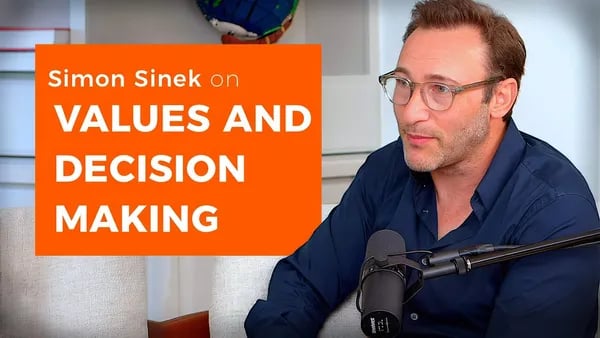
The first time I lost a client I thought was a goldmine, it stung. After all, the numbers looked perfect—high spend, lots of potential, checked every box on my spreadsheet. But each phone call felt like trudging through mud, and honestly, I started dreading them. Turns out, my spreadsheet couldn’t predict what really mattered: the human factor. Welcome to the hidden world beyond data-driven decisions, where intuition and values get their chance to shine.
1. The Mirage of Data Predictability: When the Past Can’t See the Future
When we talk about Data Driven Decisions, it’s easy to fall into the trap of believing that numbers alone can chart a flawless path forward. But the reality is far less certain. As I often remind myself and my team, “There’s actually no way to predict the future—you can only sort of get the snapshot from now or by looking backwards.” This simple truth is at the heart of understanding the data limitations that every business leader must grapple with.
Data Is a Snapshot, Not a Crystal Ball
Every piece of data we analyze is, by nature, retrospective. Data comes from what has already happened—yesterday’s sales, last quarter’s customer feedback, last year’s market trends. When we make business decisions based solely on these snapshots, we risk missing what’s just over the horizon. The world doesn’t stand still, and neither do our markets, competitors, or customers.
It’s tempting to believe that with enough data, we can see the future. But in practice, data analysis is like looking in the rearview mirror while driving forward. The road ahead is always uncertain, no matter how clear the view behind us. This is the core limitation of even the most sophisticated data-driven decisions.
Classic Success Stories: Impressive Numbers Aren’t Guarantees
Many business books are filled with case studies of companies that soared to greatness—at least for a while. But if you look closely, you’ll notice a sobering pattern. As highlighted in Good to Great and other business classics, a surprising number of these “success stories” either went bankrupt, faded into obscurity, or saw their leaders face legal troubles. Their impressive numbers and glowing data points didn’t guarantee lasting success.
- Blockbuster’s data showed strong rental numbers—until streaming changed everything overnight.
- Enron’s financials looked stellar—right up until the collapse.
- BlackBerry dominated smartphone market share—until consumer preferences shifted.
These examples remind us that business growth isn’t just about reading yesterday’s numbers. It’s about understanding the limits of what data can tell us and being prepared for what data can’t predict.
Data-Driven Limitations: The Blind Spots
Purely data-driven approaches can overlook crucial human factors and context. Numbers can’t always capture shifting customer sentiments, sudden regulatory changes, or the impact of a global event. The COVID-19 pandemic, for example, upended every business forecast built on historical data. No model, no matter how robust, could have predicted the full scope of its impact.
Here are some common blind spots in data-driven decision-making:
- Changing Markets: Data reflects the past, but markets evolve. New technologies, competitors, or regulations can render yesterday’s insights obsolete.
- Unpredictable Clients: Customer preferences can shift rapidly, especially in fast-moving industries. Data may lag behind these changes.
- Global Events: Economic crises, pandemics, or political upheavals can disrupt even the best-laid plans based on historical data.
Business Forecasting: The Role and Limits of Data
There’s no denying that data plays a vital role in business forecasting. It helps us spot trends, measure performance, and identify opportunities. But it’s important to remember that forecasting is never perfect. Even the most advanced algorithms and predictive models are limited by the quality and relevance of the data they’re fed.
There’s actually no way to predict the future—you can only sort of get the snapshot from now or by looking backwards.
As I see it, the real skill in business decisions lies in knowing when to trust the data—and when to look beyond it. Data is a powerful tool, but it’s not a crystal ball. It’s a snapshot, not a prophecy. To drive sustainable business growth, we must recognize the inherent data limitations and stay alert to the world beyond the numbers.
2. The Client Conundrum: Why Big Spenders Aren't Always Best for Business
When making business decisions, it’s easy to be dazzled by the numbers. A wealthy client who spends big on services like Virtuoso can seem like the ultimate win. On paper, they check every box: high revenue, luxury tastes, and the promise of more lucrative deals. But as I’ve learned firsthand, not all big spenders are good for business growth—and sometimes, they can actually hold your business back.
When Data Misleads: The Illusion of the “Perfect” Client
Let’s say you receive a call from someone who has your number, maybe through a referral or a platform like Virtuoso. They’re clearly wealthy and eager to spend on lavish vacations. At first glance, you might think, “Cha-ching!” The data tells you this is a high-value client. But then reality sets in. The client is abusive, mean, and dismissive. They miss scheduled calls, ignore your advice, and treat you as if you’re replaceable.
You keep reminding yourself, “Think of the money, think of the money,” hoping the payoff will make the stress worthwhile. But as the relationship drags on, it becomes clear: This person may look good on paper, but they don’t actually help build your business over time.
The Hidden Cost of Toxic Client Relationships
Chasing after clients who are only interested in spending money—without regard for mutual respect or trust—can quickly turn your business into a grind. Here’s why:
- Morale suffers: Dealing with toxic clients drains energy and enthusiasm, making every interaction feel like a chore.
- No loyalty: These clients rarely become repeat customers. They’re unlikely to recommend you, no matter how well you deliver.
- Short-term gains, long-term pain: The immediate revenue may look appealing, but the lack of a positive relationship means you’re constantly searching for new business to replace them.
Over time, the toll on your team—and yourself—can’t be measured by data alone. The numbers might say you’re growing, but the reality is you’re stuck in a cycle of stress and dissatisfaction.
Values-Based Decisions: The Power of Positive Client Relationships
Contrast this with clients who might not spend as much, but who genuinely value your expertise and treat you with respect. Maybe they found your number the same way, but from the first call, you click. The conversation flows, you enjoy brainstorming together, and you could even imagine being friends outside of work.
These are the clients who build your business in ways that data can’t always capture:
- Trust and care: When clients trust you, they’re more likely to follow your recommendations and return for future services.
- Referrals: Satisfied clients become your best advocates, referring friends and family and expanding your network organically.
- Long-term value: Even if individual deals are smaller, the cumulative impact of loyal, happy clients is far greater than a few big spenders who churn and burn.
Research consistently shows that client relationships built on trust and care are the foundation of sustainable business growth. These relationships foster loyalty, encourage repeat business, and generate referrals—none of which show up in a simple spreadsheet.
Beyond Data: The Importance of Data Quality and Human Judgment
This is where data quality and human judgment intersect. Data can tell you who spends the most, but it can’t measure how a client makes you or your team feel. It can’t predict who will become a loyal advocate or who will drain your energy. That’s why values-based decisions matter. By prioritizing clients who align with your values and treat you with respect, you set your business up for healthier, more sustainable growth.
This person may look good on paper... but they don't actually help build your business over time.
In the end, the most valuable clients aren’t always the ones who spend the most. They’re the ones who help you build a business you’re proud of—one relationship at a time.
3. Values, Trust, and the Secret Sauce of Sustainable Success
As I reflect on years of working with data-driven organizations, one truth stands out: numbers alone can’t build lasting business growth. Yes, Data Insights are powerful. They help us spot trends, optimize processes, and measure performance. But if we rely solely on data, we miss the human heartbeat of our work. The real secret sauce of sustainable success lies in Values-Based Decisions, trust, and the authentic relationships we nurture along the way.
Let’s talk about what happens when we put values at the center of our decision-making. When clients feel safe, cared for, and genuinely valued, something remarkable unfolds. Loyalty deepens. Engagement grows. Clients don’t just stick around—they become advocates, recommending us to others and expanding our reach organically. This is the kind of “return on life metric” that data can’t fully quantify, but it’s absolutely vital for long-term business growth.
I’ve seen it time and again: when people feel trust, they give more. And I don’t just mean more money—though that often follows. They give more of themselves. They invest more time, share more ideas, and show a willingness to go above and beyond. This level of commitment is the foundation of strong Client Relationships, and it’s built on more than just a spreadsheet or dashboard. It’s built on empathy, consistency, and a shared sense of purpose.
Data Culture is essential, but it must be balanced with intuition and experience. Numbers can tell us what happened and even hint at why, but they can’t capture the magic of trust or the willingness to take that extra step for a client. They can’t measure the comfort a client feels when they know you truly care about their goals and well-being. That’s why I believe real business intelligence is a blend: numbers plus empathy plus values. That’s the unbeatable formula.
Consider the moments when a client opens up about their dreams or concerns—moments that don’t fit neatly into a data point. Or the times when a team member goes out of their way to solve a problem, not because it’s required, but because they believe in the mission. These are the moments that create lasting impact. They’re the reason clients return, expand what they want to do with you, and refer others. It’s about making people feel safe, cared for, and understood.
When we feel trust, we give more—and I don't mean just more money. We give more of ourselves. We give more time.
This is why Values-Based Decisions are not just a nice-to-have—they’re a must-have for sustainable success. They complement Data Insights, grounding our strategies in authenticity and purpose. When we lead with values, we create a culture where trust flourishes. And when trust flourishes, so does business. Clients become partners. Transactions become relationships. Growth becomes sustainable, not just scalable.
In the end, the most successful organizations are those that recognize the limits of data and embrace the full spectrum of human experience. They understand that while data can inform, it’s values that inspire. They know that while metrics can guide, it’s trust that binds. And they realize that the true measure of success isn’t just found in quarterly reports, but in the joy, loyalty, and advocacy of the people we serve.
So as you build your Data Culture and pursue business growth, remember: let data guide you, but let values lead you. The secret sauce of sustainable success is found in the space where numbers meet empathy, and where trust turns transactions into lifelong partnerships. That’s where the magic—and the real return on life—happens.