.png&w=1280&q=75)
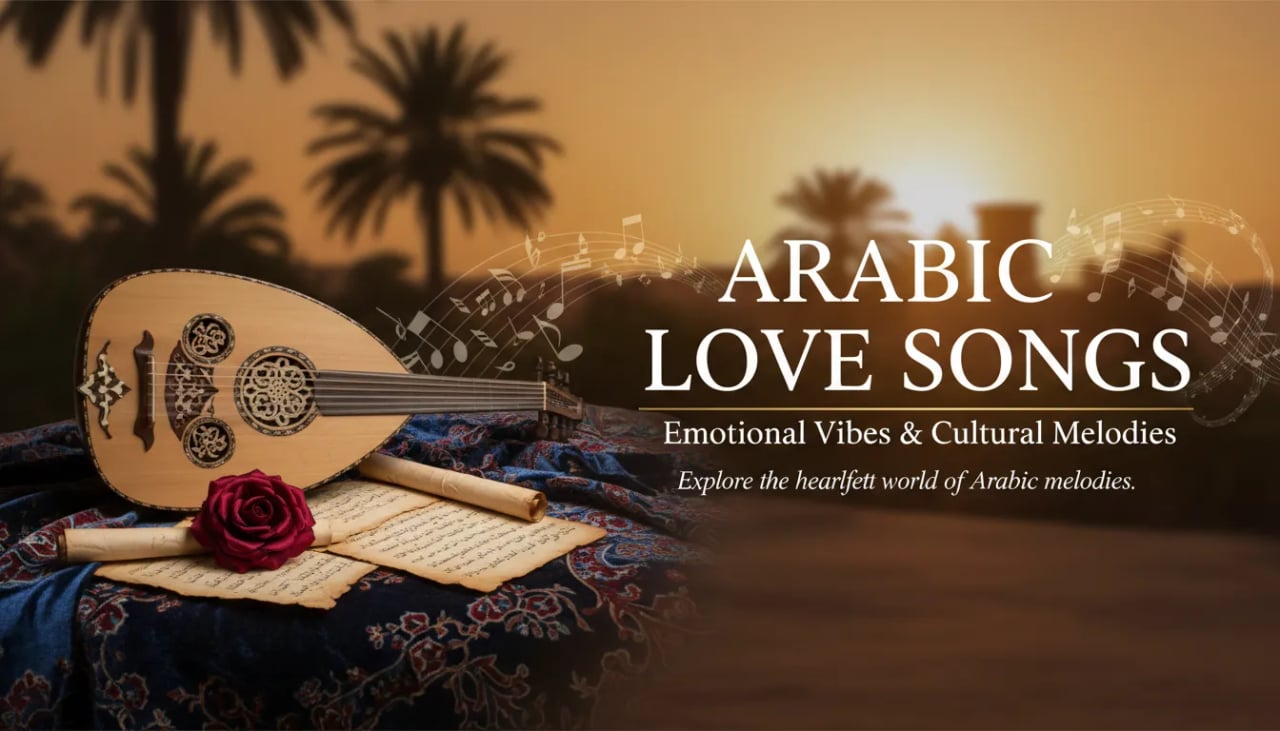
Imagine being swept away by a melody that speaks without words, immersing you in a world of profound feelings and cultural pride. Arabic love songs uniquely combine passionate emotions with traditional and modern musical influences, creating an enchanting soundscape. In this blog, we delve into the emotional depths, poetic beauty, and cultural richness of these songs that capture love and self-reflection like no other genre.
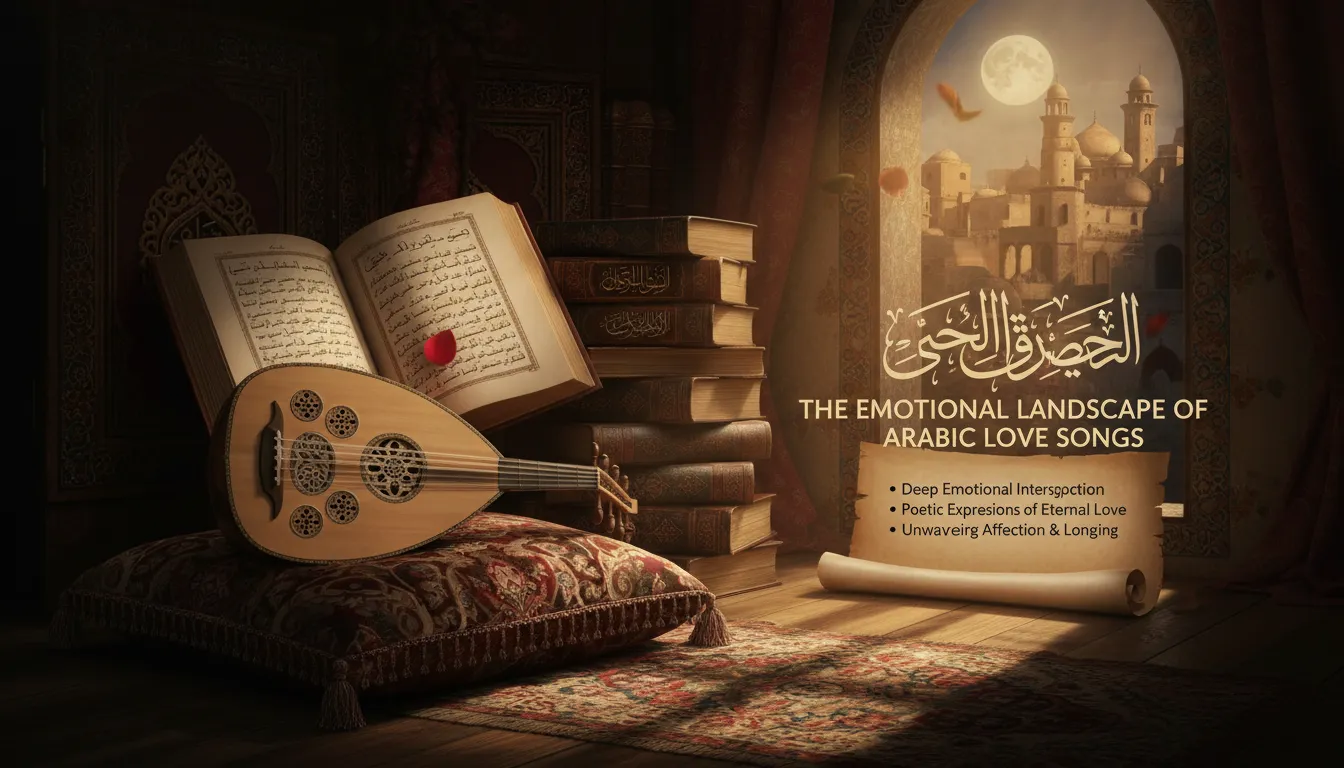
The Emotional Landscape of Arabic Love Songs
Arabic love songs are renowned for their emotional depth and the way they capture the complexities of the human heart. These songs are not just melodies; they are poetic journeys into the soul, where feelings of love, longing, jealousy, and devotion are explored with remarkable honesty and artistry. The lyrics often invite listeners into a world of deep emotional introspection, where every word and metaphor reveals the intensity of romantic experiences.
Deep Emotional Introspection in Lyrics
One of the most striking features of Arabic love songs is their focus on self-reflection and inner feelings. The lyrics frequently express the singer’s internal struggles and desires, allowing listeners to connect with the raw emotions being shared. For example, lines like:
ورده لو قلب لو بوسه وحرت بشبدي تراي
("A rose, or a heart, or a kiss—I am confused in my soul, you see")
capture the confusion and vulnerability that often accompany love. This introspective quality is a hallmark of the genre, as singers lay bare their hearts, inviting empathy and understanding from their audience. As one quote summarizes, “Arabic love songs emphasize deep emotional introspection and self-reflection through poetic lyrics.”
Poetic Expressions of Passionate and Eternal Love
The poetic nature of Arabic love songs is evident in their use of metaphors and vivid imagery. Love is described as a force that can ignite the soul, as seen in the lyric:
شعله وجهك يا حب برشا الى اشتقتله
("Your face is a flame, oh love, so much that I miss")
Here, the beloved’s face becomes a “flame,” symbolizing both warmth and the burning intensity of longing. Such metaphoric language is common, turning simple feelings into grand, almost mythical experiences. The repetition of words like “موت موتو” (“die, die”) in the context of jealousy and love highlights how these emotions can feel all-consuming, almost life-or-death in their urgency.
Unwavering Affection and Longing
Themes of eternal, unwavering love recur throughout Arabic romantic music. The act of writing a lover’s name on the heart, as in:
اكتب احبك على القلب واخطخط ولو اكو غيرك على اسمه شخبط
("I write 'I love you' on my heart and scribble it, and if there is someone else, I scribble over their name")
demonstrates a commitment that goes beyond words. The heart becomes a canvas for love, and any rival is erased or overwritten, emphasizing exclusivity and devotion. This kind of lyric reflects a deep, enduring affection that is central to the emotional landscape of Arabic love songs.
Recurring Romantic Themes
- Longing and Absence: Many songs dwell on the pain of separation and the yearning to be reunited with a loved one.
- Jealousy: The repeated use of “موت موتو للغيره” (“die, die for jealousy”) shows how jealousy is both a torment and a testament to the depth of feeling.
- Declarations of Love: Lyrics like “اكتب احبك على القلب” (“I write ‘I love you’ on my heart”) are direct, heartfelt affirmations of affection.
- Everyday Romance: Even simple moments—like wearing a favorite shirt or sharing a morning together—are infused with romantic meaning, as in “الصباحي ماكم طرجوا صح البس بمزاج” (“In the morning, with you, I wear what I like”).
Metaphoric Language and Deep Feelings
Arabic love songs are celebrated for their poetic lyrics that use metaphors to express feelings that are difficult to capture in plain language. Whether it’s comparing love to a flame, a rose, or a written word on the heart, these songs elevate everyday emotions into something universal and timeless. The emotional deepness found in these songs invites listeners to reflect on their own experiences of love, loss, and longing.
In every verse and chorus, Arabic love songs reveal the profound connection between music, poetry, and the heart’s deepest desires. Their romantic music and poetic lyrics continue to resonate, offering comfort and understanding to anyone who has ever loved deeply.
Cultural Expression and Traditional Influences in Arabic Music
The Blend of Traditional Arabic Elements with Modern Beats
Arabic love songs are a vibrant showcase of cultural expression, where the past and present meet in harmony. In many contemporary tracks, listeners can hear a seamless fusion of traditional Arabic elements with modern pop and dance beats. For example, the song’s energetic lines—“يلا شتي شتي شعر شعر ركبه اها [موسيقى]” and “ايديك فوق فوق ايديك تحت تحت ابغي يمين”—invite listeners to move, clap, and dance, reflecting the communal spirit of Middle Eastern music. The use of repetitive, catchy phrases and rhythmic clapping (“صفق صفق”) brings people together, echoing the social traditions of Arabic gatherings.
This blend is not just about sound, but about feeling. The dance beats and rich melodies create an emotional vibe that appeals to both local and global audiences. The music preserves cultural identity while embracing global sounds, making it accessible and relatable to listeners everywhere.
Conveying Cultural Pride Through Rich Melodies and Unique Vocal Styles
One of the most powerful aspects of Arabic love songs is how they evoke cultural pride. As one listener put it:
Arabic music evokes cultural pride with rich melodies and thought-provoking content.
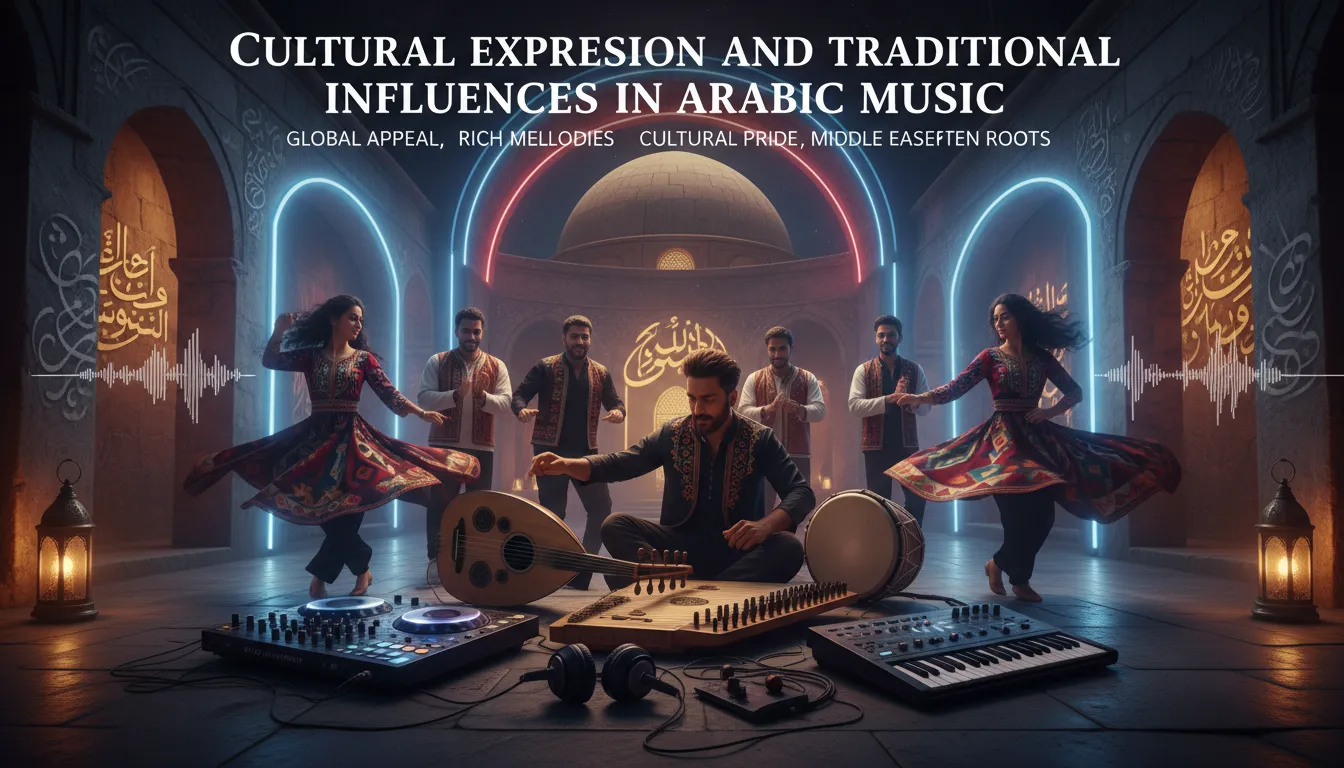
The melodies are often lush and intricate, weaving together the sounds of oud, qanun, and tabla with modern synthesizers and bass lines. This creates a tapestry of sound that is unmistakably Middle Eastern, yet fresh and contemporary. The vocal styles are equally distinctive—singers use ornamentation, melisma, and emotional delivery to convey longing, joy, and passion. In lines like “موتوا موتوا من حبنا موتوا موتوا موتوا من حبنا” (“Die, die from our love”), the repetition and intensity of the vocals capture the overwhelming emotions of love and devotion.
These unique vocal expressions are not just artistic choices; they are deeply rooted in the region’s history. Singers draw from centuries-old traditions, using their voices to tell stories and express feelings that resonate across generations.
The Role of Traditional Folklore and Middle Eastern Influences in Song Composition
Traditional folklore is at the heart of many Arabic love songs. The lyrics often reference familiar themes—love, longing, celebration, and heartbreak—while the music draws on classic Middle Eastern scales and rhythms. For instance, the playful instructions in the song (“ايديك فوق فوق ايديك تحت تحت” – “Hands up, hands down”) are reminiscent of folk dances and communal celebrations that have been passed down through generations.
Middle Eastern musical instruments play a key role in shaping the sound. The oud provides a warm, resonant base, while the tabla and riqq add intricate rhythms that drive the music forward. These instruments, combined with modern production techniques, result in a sound that is both timeless and current.
- Oud: A stringed instrument central to Arabic music, known for its deep, expressive tones.
- Qanun: A zither-like instrument that adds shimmering melodies.
- Tabla: A hand drum that provides dynamic, danceable rhythms.
- Riqq: A type of tambourine that enhances the festive atmosphere.
The influence of traditional folklore is also seen in the structure of the songs. Call-and-response patterns, group clapping, and dance instructions (“تفدور خل جو كريزي وعيش الدور” – “Turn around, make the atmosphere crazy, and live the moment”) invite active participation, making the music a shared cultural experience.
Fusion of Genres and Global Appeal
The fusion of genres in Arabic love songs enhances their connection with diverse audiences. By blending traditional influences with global pop and dance sounds, artists create music that feels both familiar and exciting. This approach not only preserves the essence of Middle Eastern music but also opens it up to new interpretations and listeners worldwide.
In every note and lyric, Arabic love songs celebrate cultural identity, emotional depth, and the enduring power of music to bring people together.
Positive Vibes and Self Reflection in Arabic Songs
Arabic love songs are more than just expressions of romance—they are powerful tools for self reflection and positive vibes. Through gentle melodies and passionate lyrics, these songs create a unique blend of tranquility and emotional energy, making them perfect for moments of relaxation and inner contemplation. The emotional habibi melodies, with their calm Middle Eastern sounds, offer listeners a soothing backdrop for daytime reflection and personal growth.
A recurring theme in many Arabic songs is the encouragement to leave negativity behind and embrace a more joyful, empowered mindset. The lyrics often speak directly to the listener, urging them to focus on self-motivation and personal happiness. For example, in the lines "اللي يفكر يعكرزوي له ديليت وخليه يولي موتو موتو", the singer suggests deleting anyone who brings negativity and letting them go. This message is reinforced with the repeated phrase "موتوا موتوا للغيره", which translates to "let jealousy die." Such lyrics serve as gentle reminders to prioritize emotional well-being and to not let envy or negativity cloud one’s heart.
The positive vibes in these songs are not just in the words, but also in the melodies. The gentle, flowing structures of Arabic music are designed to promote tranquility and relaxation. Whether it’s the soft strumming of the oud or the delicate notes of the qanun, the music itself invites listeners to slow down and reflect. This calming effect makes Arabic love songs ideal for quiet moments, whether you are unwinding after a long day or seeking a peaceful environment for self-reflection.
Self-motivation is another key element found in Arabic love songs. The lyrics often encourage listeners to believe in themselves and to cherish their own worth. In the lines "اكتب احبك على القلب واخطخط ولو اكو غيرك على اسمه شخبط", the singer writes "I write 'I love you' on my heart and scribble it, and if there is anyone else, I just scribble over their name." This playful yet powerful declaration speaks to the importance of focusing on true love and genuine feelings, rather than being distracted by negativity or jealousy. It’s a message that resonates with anyone seeking to build confidence and emotional resilience.
Playlists that feature these uplifting Arabic songs are perfect for those seeking both relaxation and empowerment. The combination of gentle melodies and inspiring lyrics creates an atmosphere of calm reflection, helping listeners to recharge and find motivation. As one quote from the genre puts it:
Positive vibes and self-motivation appear in Arab song collections for empowerment.
This sense of empowerment is woven throughout the music, encouraging listeners to let go of what no longer serves them and to embrace love, joy, and self-acceptance. The songs act as gentle guides, leading the way to mental peace and energetic uplift.
Self reflection through music is a powerful tool for emotional healing and motivation. Arabic love songs, with their soothing melodies and heartfelt lyrics, provide a safe space for listeners to process their feelings and find clarity. The tranquility and relaxation offered by these songs make them ideal companions for anyone on a journey of self-discovery or emotional renewal.
In conclusion, Arabic love songs stand out for their ability to inspire positive vibes and self reflection. Their gentle melodies and passionate messages foster an environment of calm and empowerment, making them a valuable addition to any relaxation or self-motivation playlist. By encouraging listeners to leave negativity behind and embrace love and joy, these songs promote mental peace and energetic uplift, proving that music truly has the power to heal and transform.