.png&w=1280&q=75)
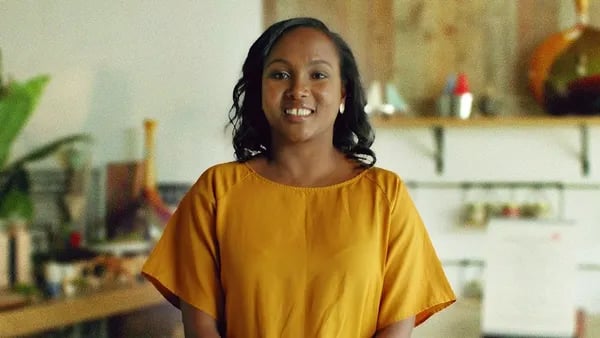
If you’d told me a decade ago that my favorite meal in Los Angeles would come paired with a Palestinian chef’s laughter, a dash of Somali memory, and the heady scent of berbere, I would’ve laughed. But sometimes, life surprises us—in the best, messiest ways. This is a story of finding home in a bowl, of culinary alchemy, and of refusing to let the word 'refugee' mean only loss. Let’s walk together down Little Ethiopia’s bustling strip, where Flavors from Afar serves something more nourishing than food alone.
1. The Art of Alchemy: Turning Displacement into Culinary Gold
“To me, being a refugee is also being an alchemist.” These words are my truth, and they are the heartbeat of Flavors from Afar. Growing up, I watched my parents—refugees who fled Ethiopia in the 1970s—create a new life from nothing. I was born in a refugee camp in Somalia in 1980, a place where hope was a rare ingredient, but resilience was always on the menu. My family’s journey, and my own, taught me that refugee stories are not just about loss. They are about transformation, about turning what little you have into something rich and meaningful.
When I say refugees are alchemists, I mean it in every sense. Alchemy is the ancient art of turning base metals into gold. For us, it’s about turning displacement—one of life’s hardest trials—into something beautiful and nourishing. Refugees lose everything. Yet, somehow, from nothing, we manifest so much. We create new homes, new communities, and, in my case, new flavors that tell our stories.
I believe surviving displacement should be celebrated, not pitied. Too often, the narrative around refugees is one of tragedy. But I see triumph. I see people who have lost their homes and still find ways to build, to dream, to feed others. That’s why Flavors from Afar exists. It’s not just a restaurant—it’s a living celebration of survival and creativity.
Our journey began out of necessity, not luxury. Before there was a restaurant, there was a catering business. I started catering because I needed to support my family and my community. There were no investors or fancy kitchens—just recipes passed down through generations and a determination to share them. Each dish was a piece of my story, and the stories of other refugees who joined me in the kitchen. We cooked with what we had, and every meal was an act of alchemy.
Establishing Flavors from Afar in Little Ethiopia felt like coming full circle. This neighborhood is one of the first African enclaves in California, a strip in Los Angeles where the smells and sounds remind me of home. It made sense to plant roots here, where my family’s journey began and where so many other refugee stories continue to unfold.
Alongside the restaurant, I founded the Tiyya Foundation, a separate non-profit dedicated to helping refugees and immigrants rebuild their lives. Both ventures are deeply personal. They are about honoring the alchemy of survival and the power of culinary entrepreneurship to change lives.
“To me, being a refugee is also being an alchemist.” — Meymuna Hussein-Cattan
Every plate at Flavors from Afar is a testament to this art of transformation. It’s more than food—it’s a story of turning displacement into culinary gold.
2. Flavors from Afar: Where Kitchens Double as Stages for Refugee Stories
When you walk into Flavors from Afar, you’re not just stepping into a restaurant—you’re entering a living, breathing stage where refugee chefs share their stories through food. As someone who has experienced displacement firsthand, I know how important it is to hold onto the dishes from home. Cooking and sharing these recipes is more than just a way to make a living; it’s a way to stay connected to your roots, your memories, and your sense of self.
At Flavors from Afar, our mission is simple but powerful: we employ former asylum seekers and refugees—especially women—as chefs, giving them a platform to celebrate their cultural cuisine and personal journeys. Each chef brings their own unique story and flavors, and every month, our menu changes to highlight a new cuisine. One month you might taste the bold spices of Somali sambusas, the next, the comforting warmth of Palestinian musakhan or the vibrant flavors of Kenyan stews.
For many of our chefs, this is the first time they’ve had the chance to present their homeland’s dishes to a diverse community. As one of our Palestinian chefs shared:
"Just an opportunity to be who I am, to present my Palestinian cuisine as a refugee with people from all over the world."
That sense of pride and belonging is at the heart of what we do. Our kitchen is a place where differences are celebrated, where you can eat different food, meet different people, and hear stories you might never have heard otherwise. It’s a space where refugee chefs can experience themselves with the community, not just as survivors, but as creators and entrepreneurs.
Building Confidence and Culinary Entrepreneurship
Flavors from Afar isn’t just about serving great food—it’s about opening doors. We provide our chefs with more than just a job. Each chef receives:
- 5% of the gross sales from their featured month
- Professional headshots for their portfolio
- Curated menus that showcase their signature dishes
- Marketing support to help tell their story
- A complete professional portfolio by the end of their rotation
These tangible assets give our chefs a real shot at culinary entrepreneurship. Whether they dream of starting a catering business, opening their own restaurant, or joining another kitchen, they leave Flavors from Afar with the tools, confidence, and connections to make it happen.
Our hope is that every chef who steps into our kitchen sees that becoming an entrepreneur is possible—and that their talents and gifts are not only valued, but celebrated. With each dish served, Flavors from Afar is redefining what it means to be a refugee chef, turning stories of displacement into stories of opportunity, resilience, and delicious success.
3. Little Ethiopia: More Than a Location—A Living, Breathing Community
When I first opened Flavors from Afar in the heart of Little Ethiopia, Los Angeles, it felt like coming full circle. This neighborhood isn’t just a spot on the map—it’s a living, breathing community, and one of the first African enclaves in California. For me, it’s deeply personal. My parents were refugees from Ethiopia, forced to flee their home in the 1970s. I was born in a refugee camp in Somalia in 1980. So, setting up a Los Angeles restaurant here wasn’t just a business decision; it was a way to honor my family’s journey and the journeys of so many others.
Little Ethiopia is a vibrant strip in Los Angeles, but it’s also a symbol. It represents hope, resilience, and the power of community support. Every day, I see locals and visitors from all walks of life come together here. Some are regulars who grew up with the flavors of home, while others are curious diners, eager to try something new. Together, we share stories, laughter, and sometimes even tears over a plate of injera or a bowl of aromatic stew.
What makes Flavors from Afar special isn’t just the food—it’s the connections that happen around the table. Our chefs are refugees and immigrants, each bringing their own history and recipes. Diners often find themselves chatting with the chef, learning about the dish’s origins or the journey that brought it to Los Angeles. These moments turn a simple meal into something much bigger: a bridge between cultures, a celebration of survival, and a chance for overdue visibility.
'To finally have the chance to talk about these difficult topics and celebrate people after displacement... that really means a lot.'
This is what community support looks like in Little Ethiopia. It’s not just about business—it’s about belonging. Our restaurant has become a gathering place, where people feel seen and heard. We host events, share music, and create space for honest conversations about identity, loss, and hope. The street itself seems to come alive, buzzing with the energy of people who have found a piece of home far from where their stories began.
Little Ethiopia’s identity is shaped by places like Flavors from Afar. We’re more than a restaurant; we’re part of a movement to redefine what it means to be a refugee, an immigrant, or simply someone looking for connection. Every meal served is a step toward healing, understanding, and celebration. Here, food isn’t just sustenance—it’s a way to honor the past, embrace the present, and build a brighter future together.
4. The Human Side of Refugee Empowerment: Second Chances Served Hot
When people ask me about the Tiyya Foundation, I always start with the meaning behind the name. Tiyya means “my love” in my family’s language—a word that carries warmth, hope, and connection. Our nonprofit was born from the journey my family and I took as refugees from Ethiopia. We arrived in the US with little more than our stories and a determination to start over. The Tiyya Foundation’s mission is simple: to support newly arrived refugees and immigrants as they rebuild their lives here, offering community support and a sense of belonging.
But the journey doesn’t stop at resettlement. I reached a point where I had to think about sustainability—not just for myself, but for the families we serve. That’s when the idea for the restaurant took shape. I looked around and realized we were surrounded by talented people, each with their own recipes and flavors from all over the world. Our community was already rich with culinary skills and stories. So, I launched a catering service, using food as a bridge between cultures and a way to create jobs for asylum seekers and refugees. The response was overwhelming, and soon, it grew into a full-fledged restaurant.
Our restaurant is more than a business. It’s an extension of the Tiyya Foundation’s empowerment model, intentionally linking employment to broader opportunities for growth. Here, food becomes a safe space for storytelling. Many of us carry the psychological weight of our pasts—PTSD, invisibility, and struggles that are rarely spoken about. For so long, I felt invisible and there weren’t spaces that were ever appropriate for me to talk about my family’s refugee journey. But in the kitchen, over simmering pots and shared meals, those stories find a voice. Food gives us permission to be seen and heard, to celebrate survival and resilience.
Visibility matters as much as financial support. Nonprofit-program-linked restaurants like ours can build sustainable social change, but we also need the world to see us. That’s why moments of recognition mean so much. I’ll never forget the day Zelle surprised us with a $3,000 donation to continue our work. The funds arrived in minutes, but the impact will last much longer. It was a reminder that the larger community is watching, listening, and willing to invest in our journey. These acts of generosity are more than just financial boosts—they are affirmations that our stories matter, and that second chances can be served hot, right here on Fairfax.
For so long, I felt invisible and there wasn’t spaces that were ever appropriate for me to talk about my family’s refugee journey.
Every plate we serve is a testament to the power of refugee empowerment, the strength of community support, and the belief that everyone deserves a second chance. Through the Tiyya Foundation and our restaurant, we’re not just feeding people—we’re building a future where every story is valued and every flavor has a place at the table.
5. Wild Card: Culinary Time Travel & What We Learn at the Table
There’s a kind of magic that happens at Flavors from Afar, the Los Angeles restaurant founded by Meymuna Hussein-Cattan. It’s not just about the food—though the dishes are unforgettable. It’s about how every bite seems to open a door to another place, another time, and sometimes, another life. Food here is more than nourishment; it’s a living record of refugee stories and a celebration of cultural heritage.
Food as a Bridge Across Time and Continents
When I sit down at Flavors from Afar, I’m reminded that food can trigger memories more powerfully than almost anything else. Each recipe on the menu carries the weight of journeys—sometimes forced, sometimes chosen—and the hope of new beginnings. One bite of sambusa or injera, and I’m transported. I imagine the kitchens in Ethiopia or the bustling markets of Nairobi, where these flavors were first learned and loved. The food becomes a bridge, connecting years and continents in a single mouthful.
Dining as an Act of Connection
Eating at this Los Angeles restaurant is never just about filling up. It’s about connection. Every meal is an invitation to sit with someone else’s story. Sometimes, it’s a story of loss and longing; other times, it’s about triumph and reunion. I’ve seen diners pause over their plates, reflecting on the journeys that brought these recipes here. I’ve seen strangers become friends, united by curiosity and respect for the cultural heritage in front of them.
Sunday Brunch: Where Stories Meet
One of my favorite times at Flavors from Afar is Sunday brunch. The restaurant fills with the sound of live music—sometimes a gentle guitar, sometimes the beat of a drum. The music seems to loosen everyone up. People who arrived as strangers start to talk. I’ve watched as guests share stories about their own families, their own migrations, or simply their love for a dish that reminds them of home. The line between guest and host blurs. It’s not unusual for someone to stand up and share a memory, inspired by the food and the moment. These brunches attract a crowd as diverse as Los Angeles itself, all drawn by the promise of something real and meaningful.
The Dream of Homecoming
Through it all, Meymuna’s personal journey shapes the restaurant’s spirit. After eleven years of running the restaurant and foundation—years filled with both triumphs and setbacks—she still dreams of going home. As she shared with me,
'After 11 years of ups and downs, I would love to just have a sabbatical. To travel back home to Ethiopia to see my relatives, to see my grandma who’s in Nairobi.'
Her longing is woven into every dish, every story told at the table. It’s a reminder that home is both a place and a feeling—sometimes found in a meal, sometimes in a memory, and sometimes in the hope of reunion.
Conclusion: Alchemy Unplugged—Why We Need More Places Like This
When I first walked into Flavors from Afar, I thought I was coming for a meal. What I found was something much deeper—a living, breathing example of how Refugee Stories can reshape not just our palates, but our hearts and minds. Sitting at a table surrounded by scents and sounds from distant homelands, I realized that the real magic isn’t just in the exotic spices or the unfamiliar dishes. It’s in the stories that come alive around the table, in the laughter, the memories, and the courage woven into every bite.
I’ll admit, my idea of what it means to be a “refugee” has changed. Maybe yours will, too. Before, I saw refugees as people who had lost something—home, safety, certainty. But at Flavors from Afar, I saw something else: empowerment. I saw chefs who are artists, teachers, and ambassadors. I saw families sharing recipes that have survived war, migration, and heartbreak. I saw a community that celebrates not just survival, but the beauty and strength that comes from it.
Refugees are a very, very important part of our society. They have skills, they have feelings, they have experiences, they have history, they have families.
These words echo in my mind as I remember the faces behind the food. Each chef at Flavors from Afar brings more than just a recipe—they bring a piece of their history, their hope, and their dreams for the future. This is Refugee Empowerment in action, and it’s something every city needs. When we give people a platform to share their stories, we don’t just change the way we eat; we change the way we see each other.
It’s easy to think of refugees as “different,” as people from somewhere else. But the truth is, sameness hides in diversity. We all want to be seen, to be celebrated, to share a piece of ourselves with the world. Flavors from Afar proves that community, memory, and possibility are always on the menu. The restaurant doesn’t just serve food—it serves understanding, connection, and hope.
If we really listen—and taste—we discover that the world is smaller and kinder than we think. Every city needs an alchemical meeting place like this, where stories are told, memories are honored, and new futures are imagined. Flavors from Afar is more than a restaurant. It’s a reminder that when we open our doors and our hearts, we all have a seat at the table.
So, the next time you’re hungry for something new, remember: the best flavors come from afar, but the most important ingredient is always the story behind the meal.